What to expect in the semi-finals
Source Entity
BBC News
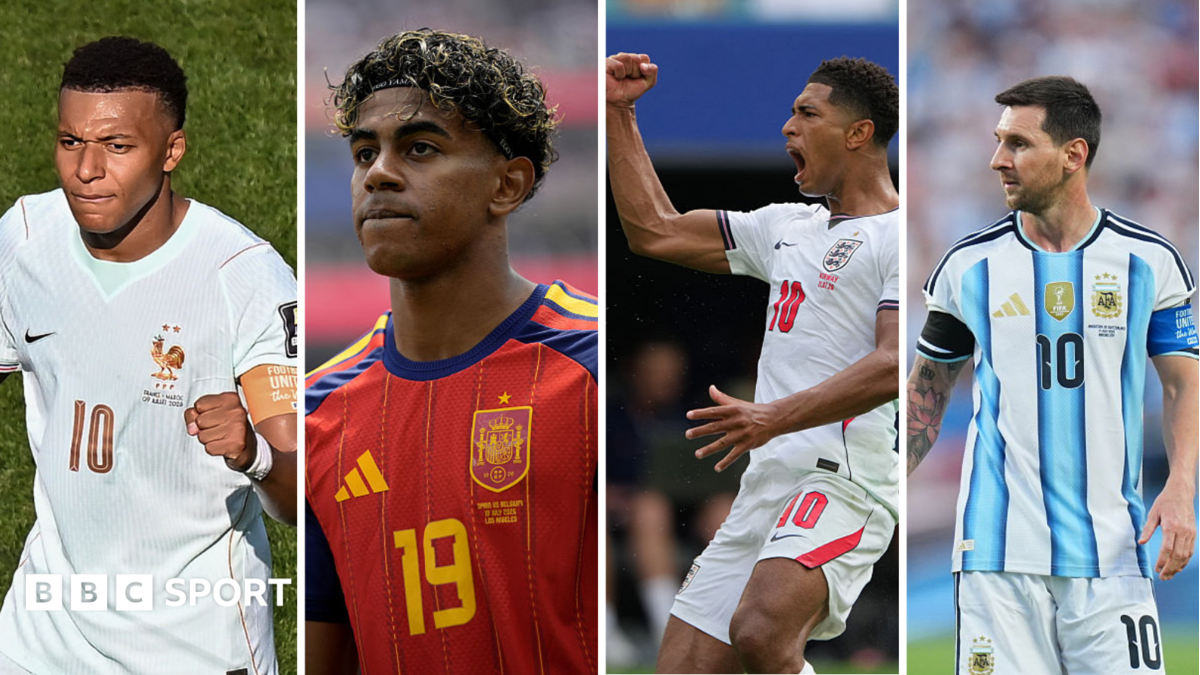
France face Spain and England take on Argentina in heavyweight World Cup semi-final meetings - here's what to expect from the last four.
The Road to Glory: Analyzing the World Cup Semi-Finals
The World Cup has reached its penultimate stage, presenting a mouth-watering set of semi-final matchups that promise to be among the most intense in the tournament's history. With France, Spain, England, and Argentina remaining, the competition has distilled down to four of the most prestigious and successful footballing nations. This stage of the tournament is no longer just about technical skill; it is a test of mental fortitude, tactical discipline, and the ability to perform under the crushing weight of national expectation.
The Tactical Clash: France vs. Spain
The meeting between France and Spain represents a collision of two distinct footballing philosophies. France typically enters such heavyweight clashes relying on a blend of explosive athletic transitions and individual brilliance, often utilizing their pace on the wings to dismantle opponents. In contrast, Spain remains the gold standard for positional play and technical mastery, seeking to control the tempo of the game through high possession and intricate passing sequences. The battle for midfield dominance will be the deciding factor here; if Spain can stifle the French transition, they will dictate the game, but if France can exploit the spaces behind Spain's high line, the match could be decided in a matter of seconds.
The Narrative War: England vs. Argentina
While France and Spain fight a tactical war, the clash between England and Argentina is steeped in deep-seated historical and emotional narratives. This fixture is rarely just about the ninety minutes on the pitch; it carries the psychological baggage of past encounters, most notably the legendary and controversial moments of the 1986 tournament. For England, this match represents an opportunity to exorcise historical ghosts and prove their resilience on the world stage. For Argentina, it is a chance to assert their dominance and continue their legacy as one of the most feared competitors in international football. The emotional volatility of this match often leads to high-tension gameplay, where a single moment of indiscipline can alter the course of the entire tournament.
Strategic Implications and Pressure
In these heavyweight semi-finals, the margin for error is razor-thin. Both matches feature teams with deep rosters, meaning the role of the bench and strategic substitutions will be critical. Managers will be forced to balance the desire to attack with the necessity of defensive solidity, knowing that one misplaced pass or a lapse in concentration could end a four-year cycle of preparation. The pressure is not only on the players but on the coaching staffs to adapt their tactics in real-time to counter the strengths of their opponents.
Global Impact and Future Trends
The presence of these four specific teams in the semi-finals reflects the current hierarchy of global football, suggesting a consolidation of power among the traditional giants. The outcome of these matches will likely dictate tactical trends for the coming years. A victory for Spain would signal a resurgence of pure possession-based football, while a French or English victory would validate the modern trend toward high-pressing, athletic, and transition-heavy systems. Furthermore, the winner of the England-Argentina clash will gain a psychological edge that could resonate for several tournament cycles.
Conclusion: The Final Hurdle
In summary, the semi-finals offer a perfect blend of tactical sophistication and raw emotional energy. Whether it is the technical grace of Spain, the power of France, the grit of England, or the flair of Argentina, the road to the final is fraught with immense challenge. These matches will not only determine who plays for the trophy but will define the legacies of the players and managers involved, cementing their places in the annals of sporting history.