Sachin at Sharjah, Kohli at MCG: Why we keep returning to cricket
Source Entity
ABHISHEK ASTHANA
Side Lower Berth: This coloumn is on observations about India and Indians from the best vantage point. . Abhishek Asthana is a tech & media entrepreneur. He runs a creative agency called GingerMonkey...
The Emotional Architecture of Indian Cricket
In the column "Sachin at Sharjah, Kohli at MCG," Abhishek Asthana explores the profound, almost spiritual connection that India maintains with the game of cricket. Rather than focusing on statistics or match results, the piece delves into the collective memory of a nation. Cricket in India is not merely a sport; it is a social fabric that binds diverse demographics together. By referencing specific venues and players, Asthana highlights how certain moments in sporting history become cultural touchstones that define entire generations.
The Legacy of the 'Desert Storm': Sachin at Sharjah
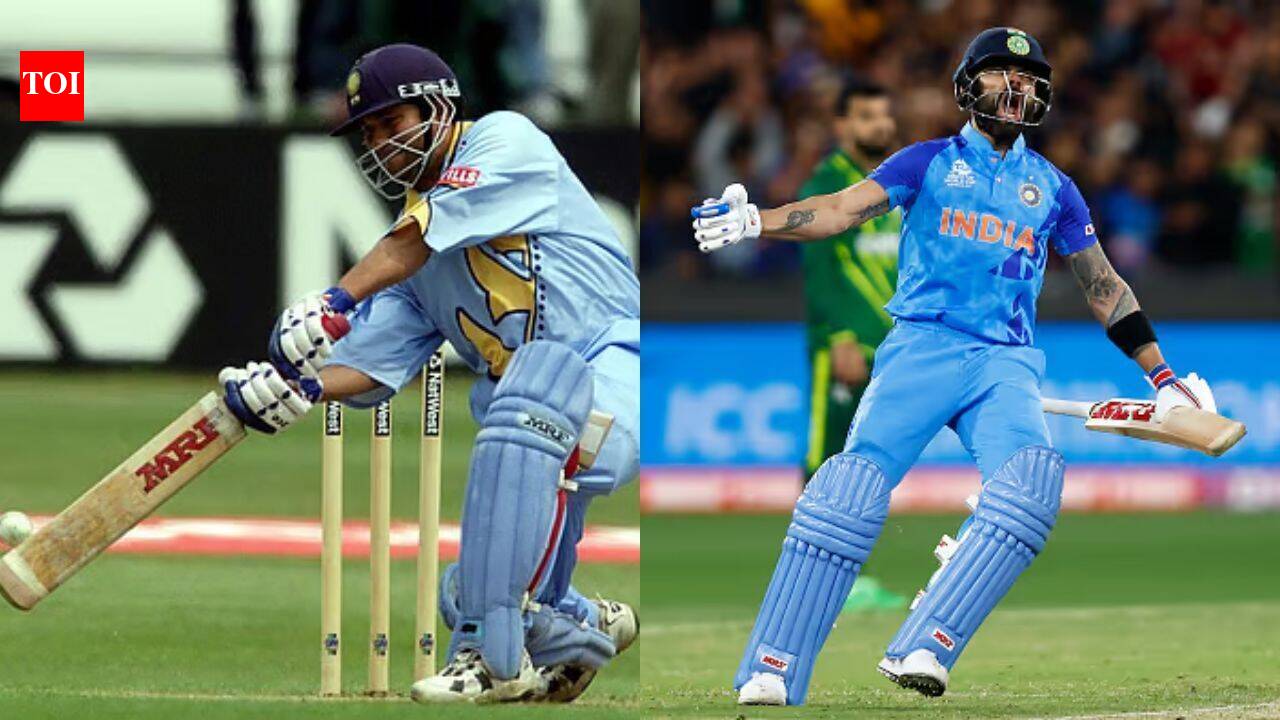
The mention of Sachin Tendulkar at Sharjah evokes a specific era of Indian cricket characterized by the rise of a global superstar. Sharjah, during the 1990s, was the epicenter of the ODI world, and Tendulkar's dominance there—most notably during the 'Desert Storm' innings—symbolized India's growing confidence on the world stage. For millions, Sachin was more than a batsman; he was a symbol of hope and excellence. This period established the blueprint for the 'cricket-as-religion' phenomenon, where the performance of a single individual could influence the mood of an entire country.
The Modern Era: Kohli at the MCG
Contrasting the nostalgia of Sharjah with Virat Kohli's impact at the Melbourne Cricket Ground (MCG) illustrates the evolution of the Indian sporting psyche. If Tendulkar represented a quiet, determined excellence, Kohli represents a bold, aggressive, and unapologetic confidence. The MCG, one of the most intimidating venues in the world, serves as the perfect backdrop for Kohli's brand of cricket. This transition reflects a broader shift in Indian society—from a nation seeking validation to a global powerhouse that demands victory. The emotional resonance of Kohli's success at the MCG mirrors the aspirations of a modern, assertive India.
The Vantage Point of the 'Side Lower Berth'
Asthana writes from the perspective of the "Side Lower Berth," a metaphor for a specific vantage point that allows for observation of India and its people. As a tech and media entrepreneur, Asthana brings a unique analytical lens to the subject, blending personal nostalgia with a professional understanding of how narratives are constructed. This perspective allows the analysis to move beyond the boundary rope and examine why Indians "keep returning" to the game. It suggests that the attraction isn't just the sport itself, but the feeling of belonging to a massive, shared emotional experience.
Cricket as a Tool for National Cohesion
The broader implication of this recurring obsession is the role of cricket as a unifying force. In a country marked by immense linguistic, religious, and regional diversity, cricket provides a common language. The shared joy of a Kohli century or the shared grief of a Tendulkar dismissal creates a temporary but powerful sense of national homogeneity. This emotional investment ensures that regardless of the format—be it Test matches or the high-octane IPL—the game remains central to the Indian identity.
Conclusion: The Eternal Loop of Passion
Ultimately, the narrative suggests that the cycle of returning to cricket is driven by the human need for heroism and continuity. By linking the eras of Tendulkar and Kohli, the author demonstrates that while the faces and the venues change—from the sands of Sharjah to the turf of the MCG—the underlying passion remains constant. Cricket continues to serve as a mirror reflecting India's journey from a developing nation to a global leader, ensuring that the game will remain an integral part of the Indian consciousness for generations to come.