No question of rollback of 0.4% MDR charges on UPI transactions over ₹2,000: Top government official
Source Entity
India Latest News: Top National Headlines Today & Breaking News | The Hindu
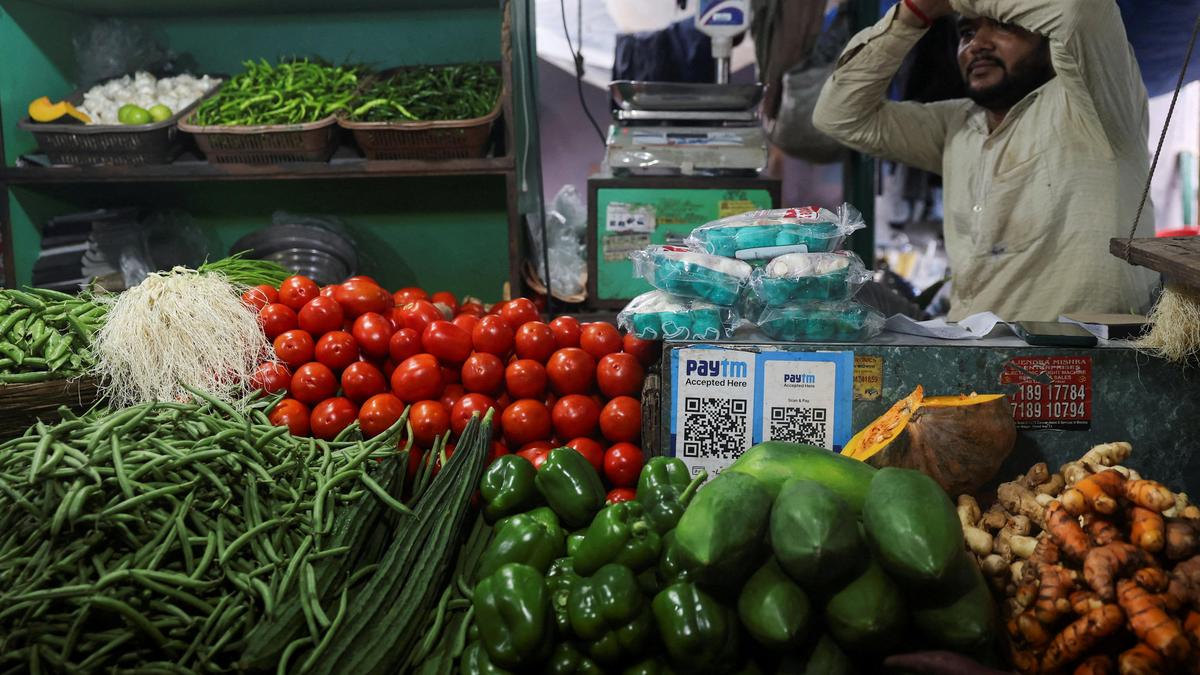
The NPCI has introduced a 0.4% merchant discount rate on UPI transactions exceeding ₹2,000 starting October 15. While the government maintains this won't affect consumers, critics like Ashneer Grover argue it functions as a hidden tax that will ultimately be passed down.
The Shift in UPI Monetization: Analyzing the New MDR Framework
The National Payments Corporation of India (NPCI) has introduced a new Merchant Discount Rate (MDR) structure for UPI transactions, set to take effect on October 15, 2026. This policy introduces a 0.4% charge on merchant transactions exceeding ₹2,000, capped at ₹300, while also implementing a flat ₹5 fee for specific utility categories, including fuel, electricity, water, and insurance payments.
The Consumer Impact Debate
While the government and regulatory bodies have emphasized that peer-to-peer (P2P) transfers—such as those between friends or family—will remain free of charge, the move has sparked significant debate. Former BharatPe co-founder Ashneer Grover has publicly challenged the official narrative. Grover argues that labeling the merchant charge as anything other than a “tax” is disingenuous, suggesting that the cost will inevitably be passed on to the end consumer by retailers and service providers.
Understanding the Cost Burden
The core of the controversy lies in the economic burden of the MDR. Under the new guidelines, the fee is technically levied on the merchant, not the consumer. The government maintains that larger retailers and online platforms are expected to absorb these costs as part of their operational expenses. However, the economic reality often dictates that when business costs rise, retail pricing adjustments follow, potentially leading to inflationary pressure on consumer goods.
Categorization of Charges
The NPCI has been specific regarding which transactions attract these fees. Notably, capital market transactions, insurance premiums, fuel, utility bills (water and electricity), and education fees are subject to a flat ₹5 charge. This tiered approach differentiates between standard retail commerce and essential services, aiming to balance the revenue requirements of banks and payment processors with the need to keep essential services accessible.
Strategic Implications and Future Trends
The implementation of an MDR on UPI represents a strategic pivot toward making the digital payments ecosystem sustainable for banks and payment service providers. By allowing a fee structure, the NPCI acknowledges the infrastructure costs associated with processing high volumes of transactions. Looking ahead, the success of this model will depend on whether merchants choose to absorb these costs or if the market experiences a subtle increase in the final price of goods and services.
Conclusion
The introduction of the MDR on UPI marks a significant evolution in India's digital payment landscape. While the policy provides much-needed clarity for stakeholders, the tension between government assurances and public skepticism—voiced by industry leaders like Ashneer Grover—highlights the sensitivity of digital transaction costs in a price-conscious economy. As the October 15 deadline approaches, both merchants and consumers will be closely watching how these costs manifest in everyday transactions.
Multiple Citing Sources
Verification Required?