'No question of rollback': Govt defends UPI charges, refutes 'external pressure' charge
Source Entity
SUBHADRA SRIVASTAVA
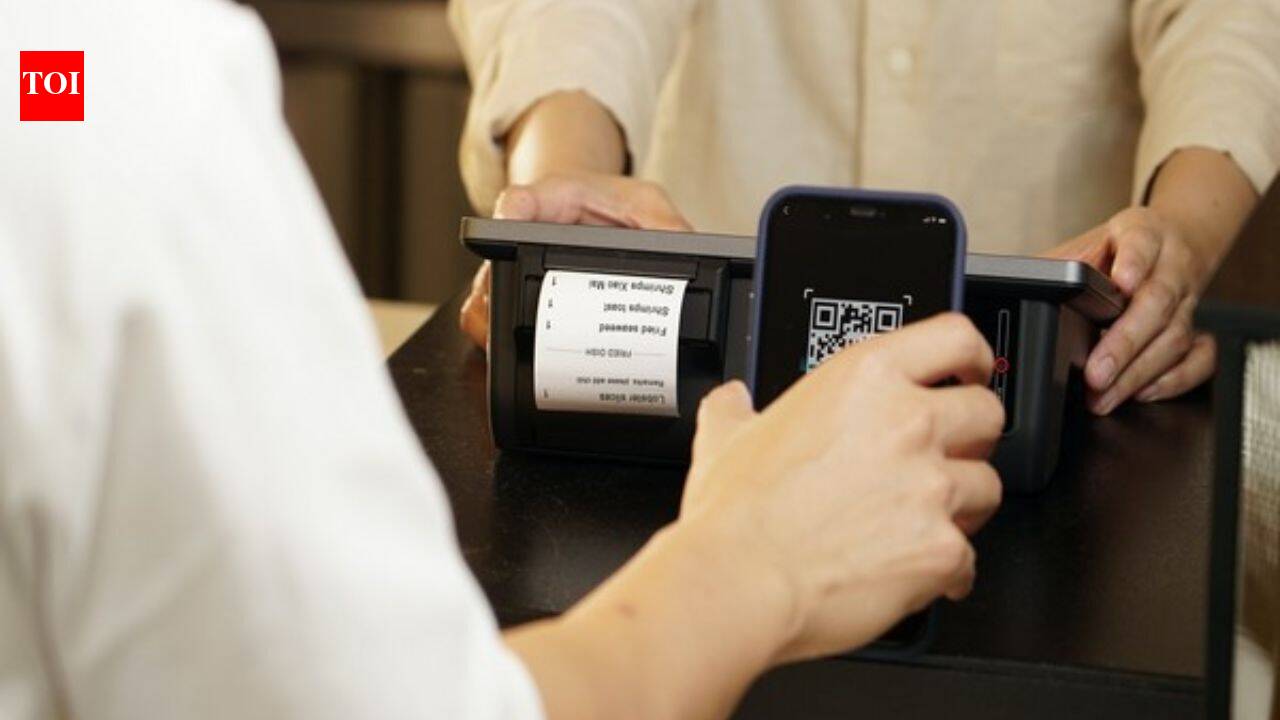
The NPCI has introduced a 0.4% merchant discount rate on UPI transactions exceeding ₹2,000, effective October 15. While the government maintains this won't impact consumers, critics like Ashneer Grover argue these costs will inevitably be passed down to the end-user.
The Shift in UPI Monetization: Analyzing the New MDR Structure
The National Payments Corporation of India (NPCI) has officially announced a new Merchant Discount Rate (MDR) structure for UPI transactions exceeding ₹2,000, set to take effect on October 15. This policy shift marks a significant pivot in the governance of India’s digital payment ecosystem, which has historically been defined by its zero-fee structure for both users and merchants. The new guidelines mandate a 0.4% charge on specific transactions, capped at ₹300, alongside flat fees for utility and service-related payments.
The Industry Stance: Ashneer Grover’s Critique
Ashneer Grover, the former co-founder of BharatPe, has emerged as a vocal critic of this policy adjustment. In a recent interview with Times Now, Grover challenged the official narrative that the merchant-side levy would remain isolated from the consumer experience. By labeling the charge a "tax," Grover argues that economic reality dictates that businesses—particularly smaller merchants operating on thin margins—will eventually pass these costs onto the end consumer, thereby negating the government's claim of a neutral financial impact.
Distinguishing Between Free and Fee-Based Transactions
To provide clarity amidst the discourse, it is essential to distinguish between the various tiers of UPI usage. The NPCI has confirmed that person-to-person (P2P) transfers, including those between friends and family, remain entirely free of charge regardless of the amount. Furthermore, UPI mandates and auto-debit arrangements are excluded from these new MDR requirements. Conversely, transactions involving capital markets, insurance premiums, fuel, utility bills, and education fees will now attract a flat ₹5 charge.
The Economic Burden on Merchants
While the government maintains that the cost burden lies strictly with the merchant, the practical implementation suggests a more nuanced reality. Larger retailers and online platforms possess the capital to absorb these costs as a part of their operational expenses. However, for small-to-medium enterprises (SMEs) and local vendors, a 0.4% fee on high-value transactions could necessitate a strategic re-evaluation of pricing models. This raises the broader question of how the digital payment ecosystem balances sustainability for banks and payment processors with the affordability requirements of a price-sensitive consumer base.
Future Trends and Regulatory Balancing
Looking ahead, this development signals a maturation of the UPI infrastructure. The introduction of MDR is likely intended to compensate banks and payment service providers for the heavy infrastructure investments required to maintain the scale of UPI. As the system moves away from a purely subsidized model, stakeholders will be closely watching whether this leads to a decline in transaction volume or if the convenience of digital payments continues to outweigh the incremental costs for merchants and consumers alike.
Conclusion
Ultimately, the debate sparked by the NPCI circular highlights the tension between public utility and commercial viability. While the government emphasizes that the financial impact is minimal and non-consumer facing, the skepticism voiced by industry figures like Grover underscores a lingering concern regarding inflation at the point of sale. As October 15 approaches, the market will gain a clearer understanding of how these fees manifest in daily commerce and whether the UPI model can maintain its rapid growth trajectory under this new financial framework.
Multiple Citing Sources