Azam Khan Walks Out Of Jail After Getting Bail In Money Laundering Case
Source Entity
NDTV News Search Records Found 1000
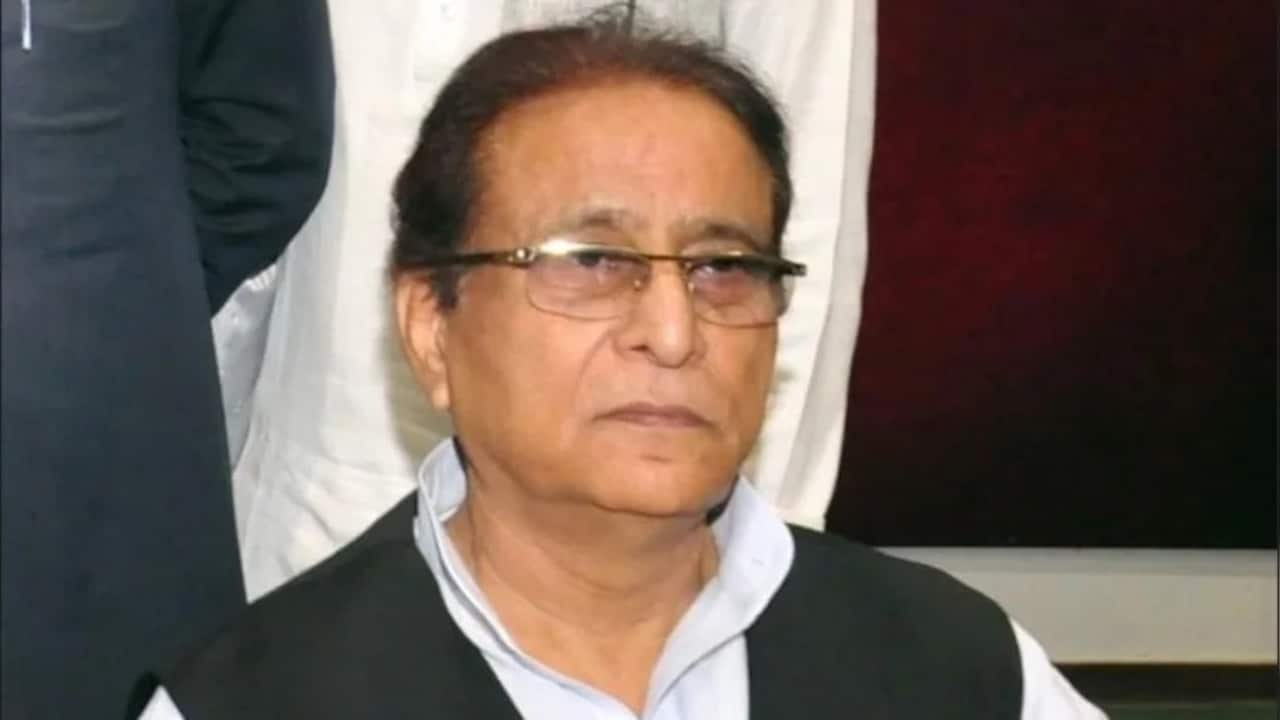
Samajwadi Party leader Azam Khan has been released from Dasna jail on interim bail following an Allahabad High Court ruling. The court cited procedural lapses in his arrest regarding a money laundering case, with further hearings scheduled for December.
The Legal and Political Implications of Azam Khan's Release
Judicial Intervention and Procedural Scrutiny
The release of prominent Samajwadi Party leader Azam Khan from Dasna District Jail marks a significant development in his ongoing legal battles. The decision, handed down by the Allahabad High Court, centers on the granting of interim bail in connection with a high-profile money laundering case. Central to this judicial relief is the court's observation that mandatory legal provisions were not properly followed during the initial arrest process. This highlights the judiciary's role in ensuring that due process remains the cornerstone of criminal investigations, particularly in cases involving influential political figures.
The Path Toward Legal Resolution
While the interim bail provides temporary reprieve, the legal saga is far from over. The Allahabad High Court has set the next date for proceedings on December 10. This upcoming hearing will be crucial in determining the long-term trajectory of the case. By scheduling this follow-up, the court maintains oversight, signaling that while procedural errors were identified, the substantive allegations regarding money laundering remain under active judicial review.
Impact on Regional Dynamics in Rampur
Azam Khan’s immediate departure for his hometown of Rampur, where he was met by his son, carries significant weight in local political circles. As a long-standing political figure, his presence in Rampur is expected to influence the local political landscape. His release shifts the focus from his incarceration back to his active involvement in his constituency, setting the stage for renewed political activity and public discourse within the region.
Contextualizing the Samajwadi Party's Stance
For the Samajwadi Party, the release of a senior leader like Azam Khan is an important event that resonates with the party's base. The party has consistently navigated the legal challenges surrounding Khan, often framing the legal proceedings as politically motivated. The court’s acknowledgment of procedural lapses in the arrest process serves as a talking point for supporters who argue that the state’s investigative machinery has been overextended in this matter.
Broader Implications for Governance and Law
The broader implications of this case touch upon the balance between state investigative powers and individual liberties. When the judiciary intervenes to correct procedural failures, it reinforces the necessity for law enforcement to strictly adhere to established statutes during the arrest and detention of citizens. This case serves as a reminder of the critical importance of procedural integrity in maintaining public trust in both the legal system and the administration of justice.
Future Trends and Outlook
Looking ahead, the December 10 hearing will be closely watched by political analysts and legal observers alike. The outcome of that session will likely influence not just the legal status of Azam Khan, but also the broader political climate in Uttar Pradesh. As the case continues to unfold, it will remain a focal point for discussions on law, order, and the intersection of politics with the judiciary.
Verification Required?