BBC's serious challenges laid bare in annual report
Source Entity
BBC News
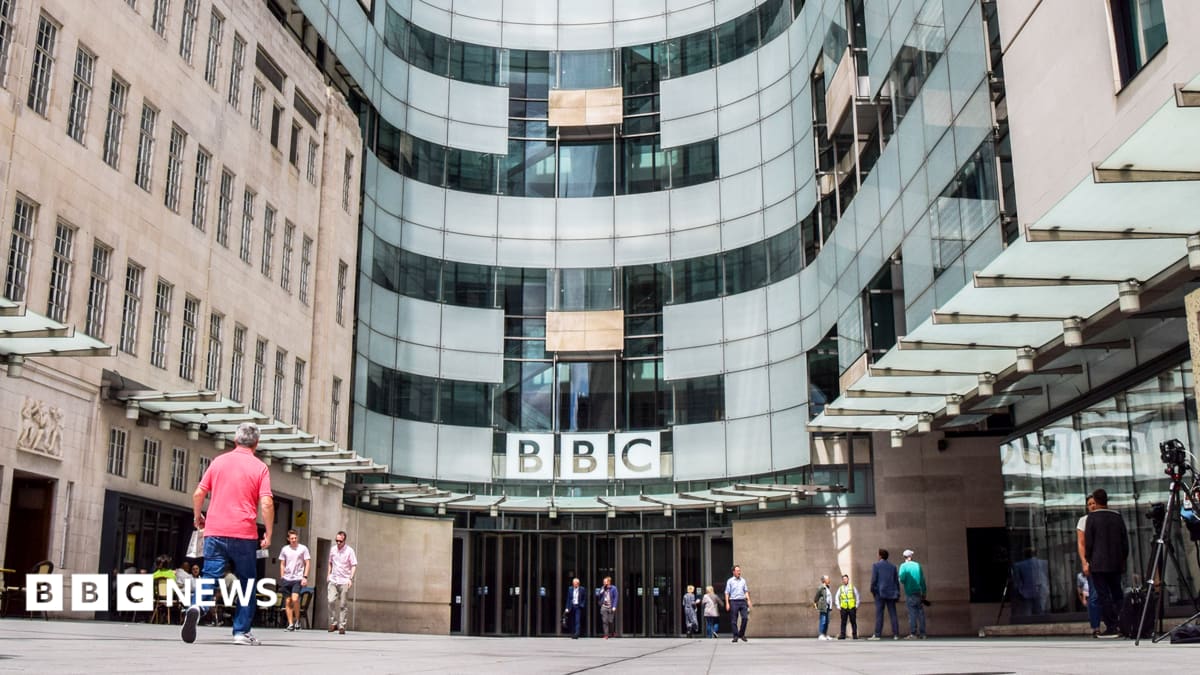
The BBC's latest annual report signals a critical turning point for the broadcaster, with leadership calling for a replacement of the traditional licence fee to address systemic financial challenges and adapt to the modern media landscape.
The BBC at a Crossroads: Analyzing the Crisis of the Licence Fee
The BBC's most recent annual report serves as a stark admission of the broadcaster's current vulnerability. By issuing what media editor Katie Razzall describes as a "call to arms," the organization is signaling that the status quo is no longer sustainable. This report is not merely a financial summary but a strategic plea for a fundamental overhaul of how the UK's national broadcaster is financed in an era of unprecedented media fragmentation and shifting consumer habits.
The Erosion of the Traditional Funding Model
For decades, the licence fee has been the bedrock of the BBC's independence, providing a steady stream of revenue decoupled from direct government grants or commercial advertising. However, the digital revolution has rendered this model increasingly obsolete. With the rise of global streaming giants like Netflix, Amazon Prime, and Disney+, the traditional concept of "paying for television" has shifted. Younger demographics, in particular, are less likely to perceive the value of a flat-fee licence when content is available via a multitude of on-demand subscriptions, leading to a decline in compliance and revenue stability.
Exploring New Funding Alternatives
The "call to arms" for a new funding model suggests that the BBC is open to various structural changes. Potential alternatives could include a subscription-based model, a government-funded grant (similar to some European public broadcasters), or a hybrid system that combines public funding with limited commercial revenue. Each of these options carries significant risk; a subscription model could alienate lower-income audiences, while direct government funding could jeopardize the BBC's editorial independence, making it susceptible to the political whims of the party in power.
The Struggle for Editorial Independence
A central tension in the BBC's financial crisis is the balance between funding and impartiality. The licence fee was designed specifically to protect the broadcaster from commercial and political pressure. As the organization seeks new revenue streams, it faces the daunting task of ensuring that its "gold standard" of journalism remains untainted. Any shift toward a model that relies more heavily on state allocation or corporate partnerships will likely trigger intense scrutiny from both the public and international observers regarding the BBC's ability to hold power to account.
Global Competition and Digital Transformation
Beyond the domestic funding struggle, the BBC is fighting a global war for attention. The BBC World Service remains a powerful tool of soft power, but maintaining high-quality global output requires immense capital. The annual report underscores the difficulty of investing in "digital-first" content—such as podcasts, interactive apps, and social media integration—while simultaneously maintaining traditional linear broadcasting. The transition to a digital-centric organization is not just a technological shift but a financial one, requiring a different type of investment than the one provided by the legacy licence fee.
Future Outlook and Strategic Imperatives
Looking ahead, the BBC must navigate a narrow path toward sustainability. The coming years will likely see a period of intense negotiation between the BBC board and the UK government. If a new model is not established, the broadcaster may be forced to implement drastic cost-cutting measures, which could lead to the closure of local news bureaus or the reduction of niche cultural programming. The ultimate goal will be to create a "future-proof" funding mechanism that reflects 21st-century consumption habits while preserving the public service mandate.
Conclusion: A Necessary Evolution
In summary, the BBC's annual report is a clear signal that the era of the licence fee is drawing to a close. The challenges laid bare are systemic, spanning financial, technological, and political dimensions. While the transition will be fraught with difficulty, the call for a new funding model is a necessary step to ensure that the BBC continues to provide impartial, high-quality information and entertainment to the public in a rapidly evolving media landscape.