Shreyas Iyer and Co. are easy targets but BCCI needs to own up to its blunder too after flop show in England and Ireland
Source Entity
Latest News: Today's Latest News Headlines from India & World | Hindustan Times | Hindustan Times
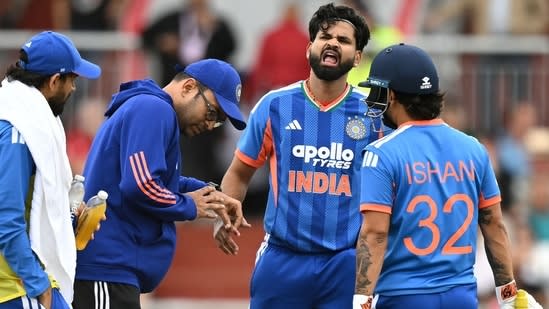
The players just landed there without any apt preparations. Ideally, after the IPL, they should have turned their attention solely to the UK tour.
Systemic Failure: Analyzing the BCCI's Role in the England and Ireland 'Flop Show'
The recent underwhelming performance of the Indian squad, featuring Shreyas Iyer and his teammates, during their tour of England and Ireland has sparked a heated debate regarding accountability in Indian cricket. While the immediate instinct of critics and fans is to target the players for their failure to deliver on the field, a deeper analysis suggests that the players are merely the visible symptoms of a larger administrative failure. The 'flop show' in the UK is not simply a reflection of a dip in form, but rather a consequence of inadequate preparation and a scheduling conflict that prioritized domestic league momentum over international readiness.
The Preparation Gap and Environmental Shock
One of the most glaring issues identified is the lack of 'apt preparations' before the squad landed in the UK. Cricket in England and Ireland is fundamentally different from the conditions found in the Indian subcontinent. The prevalence of swing and seam, coupled with unpredictable weather and softer pitches, requires a specific technical adjustment and a period of acclimatization. When players arrive without a structured transition period, they are often caught off guard by the movement of the ball, leading to early wickets and a collapse in confidence. By failing to facilitate a proper lead-in to the tour, the BCCI effectively sent its players into a tactical minefield without the necessary armor.
The IPL Conflict: A Clash of Priorities
Central to this controversy is the timing of the tour relative to the Indian Premier League (IPL). The transition from the high-octane, T20 environment of the IPL—characterized by flat tracks and aggressive batting—to the disciplined requirements of a tour in England is jarring. The report suggests that players should have turned their attention solely to the UK tour immediately following the IPL. However, the physical and mental exhaustion resulting from a grueling IPL season often leaves players depleted. When the BCCI fails to mandate a recovery and transition window, the players are forced to switch mindsets overnight, which is a recipe for failure in challenging overseas conditions.
Why Players Become 'Easy Targets'
In the ecosystem of professional sports, the athletes are the most visible components of the machine, making them 'easy targets' for public outcry. When Shreyas Iyer or his teammates fail to score, the statistics are public and the failures are instantaneous. However, the administrative 'blunder' of the BCCI remains invisible to the casual observer. The board's failure to organize preparatory camps or ensure a staggered arrival for acclimatization is a structural flaw. By focusing the blame on the individuals, the narrative shifts away from the board's responsibility to provide the logistical and technical support necessary for international success.
Broader Implications for Indian Cricket
This incident highlights a recurring tension within the BCCI's management: the balance between the commercial juggernaut of the IPL and the prestige of overseas Test and ODI tours. If the board continues to treat international tours as secondary to the IPL cycle in terms of preparation and scheduling, India risks a decline in its ability to win in overseas conditions. The 'flop show' in England and Ireland serves as a warning sign that the current model of transitioning from T20 franchises to international duties is unsustainable and detrimental to the players' long-term performance metrics.
The Necessity of Administrative Accountability
For the BCCI to avoid repeating these mistakes, there must be a shift toward owning the logistical failures of the tour. Accountability should not stop at the boundary rope; it must extend to the boardroom. Implementing a mandatory 'acclimatization window' and decoupling the end of the IPL from the start of overseas tours would mitigate the risks of poor performance. The board possesses the financial resources and the organizational power to ensure that no player lands in a foreign country unprepared. Until the BCCI acknowledges its role in these failures, the players will continue to bear the brunt of systemic inefficiencies.
Conclusion: A Call for Structural Reform
In summary, while the poor results in England and Ireland are disappointing, they are the predictable outcome of a flawed preparation strategy. The failure of Shreyas Iyer and company is not an isolated case of poor form, but a symptom of a BCCI that has overlooked the critical importance of transition and acclimatization. To ensure future success, the board must move beyond the convenience of the IPL schedule and prioritize the holistic preparation of its athletes. Only by owning up to these blunders can the BCCI foster an environment where players are set up for success rather than failure.
Verification Required?