I had 11 years of chemotherapy for a cancer I didn't have
Source Entity
BBC News
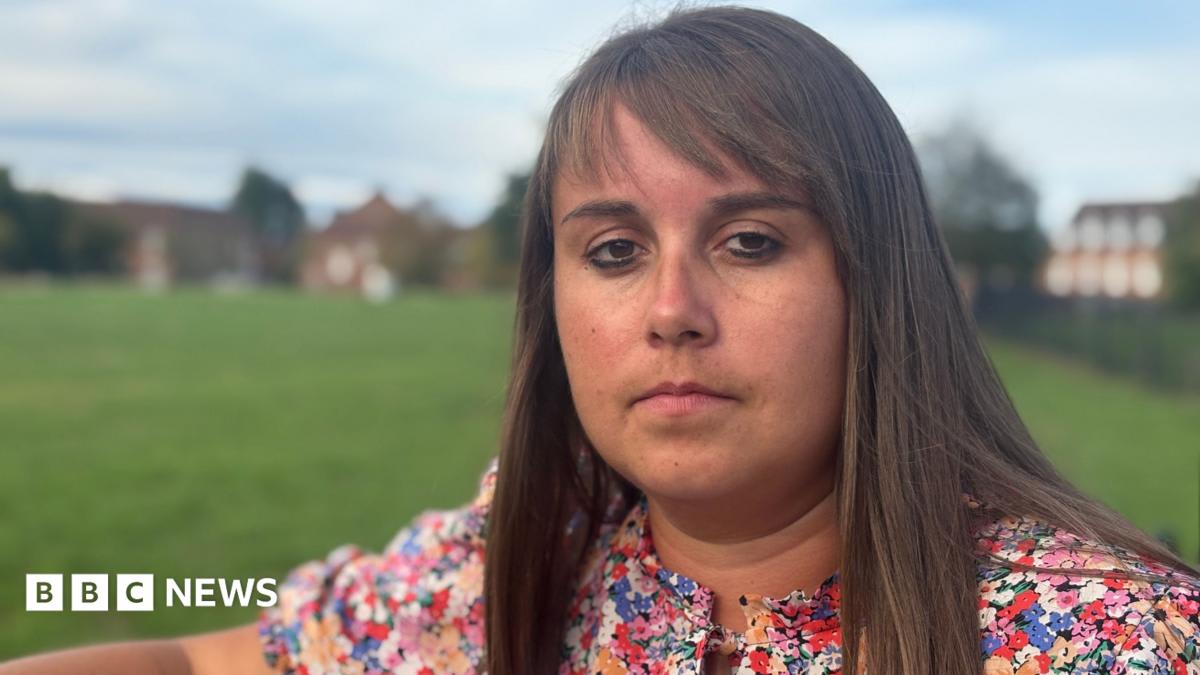
Becky Jones is one of over 40 patients suing the UHCW NHS Trust after receiving 11 years of unnecessary chemotherapy for a misdiagnosed brain condition. She actually suffered from an inflammation that required only steroids, leading to significant life-altering consequences for her health and career.
The Devastating Impact of Medical Misdiagnosis
The case of Becky Jones, who underwent 11 years of unnecessary chemotherapy for a terminal brain tumor she never had, serves as a harrowing reminder of the fragility of patient safety in modern medicine. Diagnosed at age 21 by an experienced consultant, Jones was told she had only months to live, a prognosis that fundamentally altered her life trajectory. Instead of pursuing her dream career in policing and building a future, she was subjected to over a decade of toxic treatment for a condition that was actually an inflammation of the brain, which could have been managed with simple steroids.
The Human Cost of Clinical Error
Beyond the physical toll of chemotherapy—which included chronic sickness and long-term side effects—the psychological burden on Jones has been immense. Living for over a decade under the shadow of a terminal diagnosis forced her to exist on "eggshells," missing out on crucial family milestones and personal growth. The realization at age 33 that these years of suffering were entirely avoidable highlights a catastrophic failure in diagnostic oversight that has not only robbed her of her youth but has permanently altered her quality of life.
Systemic Failures and Legal Recourse
Becky Jones is not an isolated case; she is one of more than 40 patients currently pursuing legal action against the University Hospitals Coventry and Warwickshire (UHCW) NHS Trust. The sheer number of claimants suggests a potential systemic issue regarding diagnostic protocols and the internal review processes at the trust. This legal battle represents a critical effort to hold healthcare institutions accountable for prolonged or unnecessary cancer treatments that have profoundly damaged the lives of those entrusted to their care.
Broader Implications for Diagnostic Standards
This incident raises significant questions about the standard of care and the necessity for second opinions in oncology. When a diagnosis carries the weight of a terminal prognosis, the psychological and physical implications of an error are catastrophic. The fact that an experienced consultant could misidentify inflammatory brain disease as a terminal tumor for over a decade indicates a potential breakdown in diagnostic verification or a lack of multidisciplinary oversight that should be standard practice for such life-altering diagnoses.
Future Trends in Patient Advocacy
As these legal cases proceed, the healthcare industry will likely face increased scrutiny regarding diagnostic accuracy and patient communication. Patients are increasingly empowered to demand transparency and evidence-based verification, particularly when faced with aggressive treatment plans. This case will likely serve as a catalyst for tighter clinical governance and could influence future policies regarding how NHS trusts handle complex, long-term diagnostic trajectories to prevent such devastating misjudgments from recurring.