In India’s fight against TB, Bihar remains a champion
Source Entity
Latest News: Todays Latest News Headlines from India & World | Hindustan Times | Hindustan Times
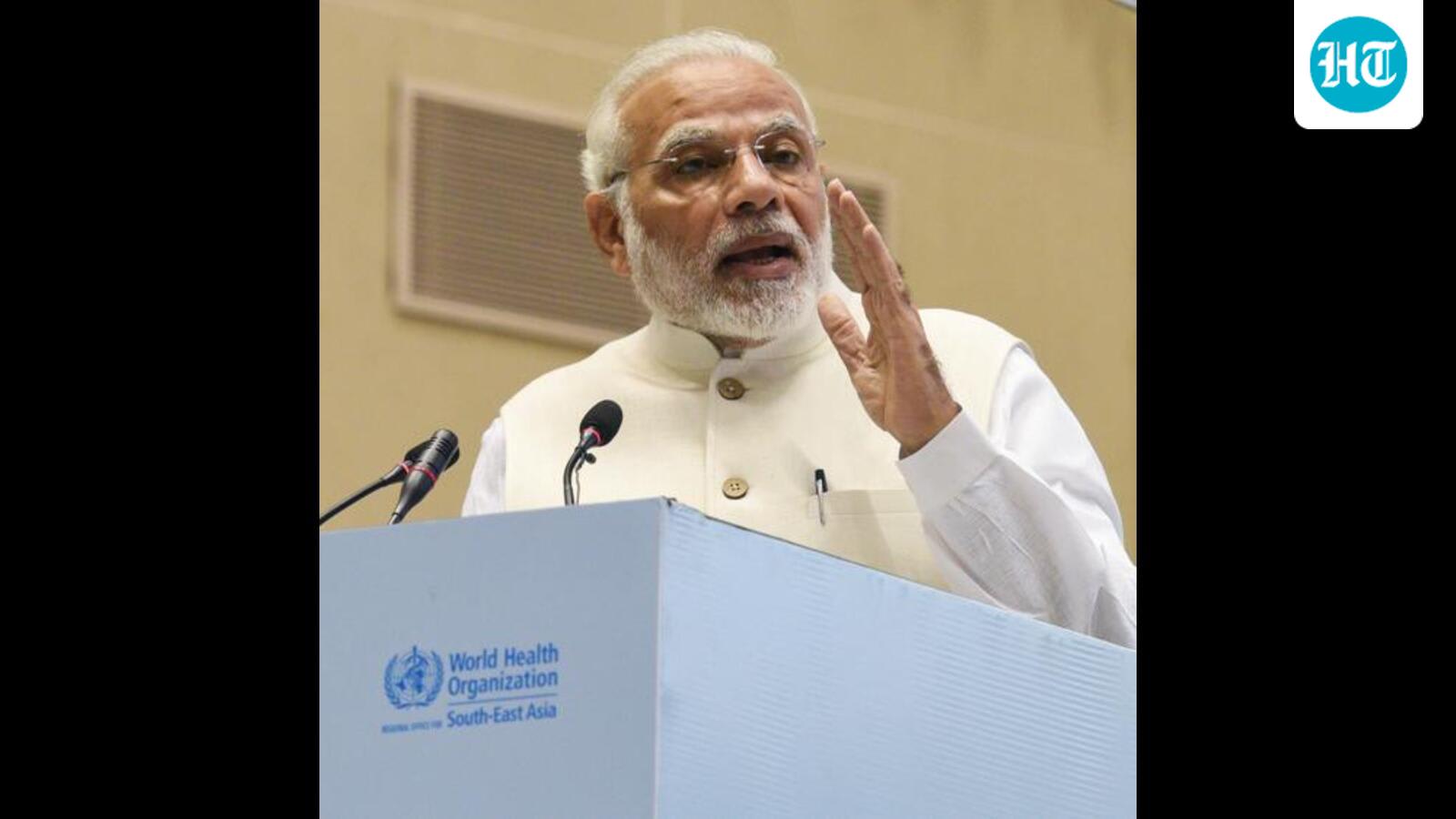
Bihar is leading India's TB Mukt Bharat Abhiyaan by aggressively screening millions to detect asymptomatic cases. This proactive strategy represents a significant shift from reactive care to active surveillance in the national fight against tuberculosis.
The Paradigm Shift in India's TB Strategy
India has historically struggled with a high burden of tuberculosis, a disease that has long challenged public health infrastructure due to its silent, infectious nature. The launch of the TB Mukt Bharat Abhiyaan marked a definitive turning point, transitioning the national strategy from a passive model—where healthcare systems waited for symptomatic patients to seek care—to an active, community-based surveillance model. This shift is critical because nearly half of all tuberculosis cases present without clear, immediate symptoms, allowing the bacteria to spread silently through communities unchecked.
Bihar’s Proactive Commitment
Bihar has emerged as a critical champion in this national effort. By treating the mandate of the TB Mukt Bharat Abhiyaan as a primary governance priority, the state has moved beyond administrative compliance to operational excellence. The state’s ability to exceed its screening targets—screening nearly 20 million people against an initial goal of 10 million—demonstrates a robust mobilization of health workers and local resources. This scale of operation is essential in a state where TB incidence rates have traditionally remained well above the national average.
The Challenge of Asymptomatic Transmission
The central hurdle in eliminating TB is the asymptomatic carrier. When patients do not exhibit the typical cough or fever, they often remain unaware of their condition, inadvertently becoming vectors for transmission in densely populated regions. Bihar’s recent efforts to identify these "silent" cases through mass screening are not merely statistical successes; they are surgical interventions aimed at breaking the chain of transmission at the source, which is the only viable path to achieving the national goal of a TB-free India.
Political Will and Public Health
The transformation began in 2018 when Prime Minister Narendra Modi elevated the issue at the Delhi End TB Summit, transforming tuberculosis from a chronic medical concern into a high-priority political commitment. This top-down mandate provided the necessary impetus for states like Bihar to allocate resources and streamline logistics. By making TB elimination a personal political objective, the government ensured that bureaucratic barriers were minimized and that the focus remained squarely on patient identification and treatment initiation.
Future Trends and Sustainability
Looking ahead, the sustainability of these gains will depend on Bihar's ability to transition from mass screening to continuous, integrated surveillance. The successful identification of millions of individuals is only the first step; the long-term success of the TB Mukt Bharat Abhiyaan will rely on ensuring that every diagnosed patient receives a complete, uninterrupted course of treatment. If Bihar continues to maintain this momentum, it will likely serve as the primary blueprint for other states struggling with high TB burdens to replicate, ultimately dictating the success of India's national public health timeline.
Verification Required?