BMW reveals US 3 series pricing: The EV carries a hefty premium
Source Entity
Jonathan M. Gitlin
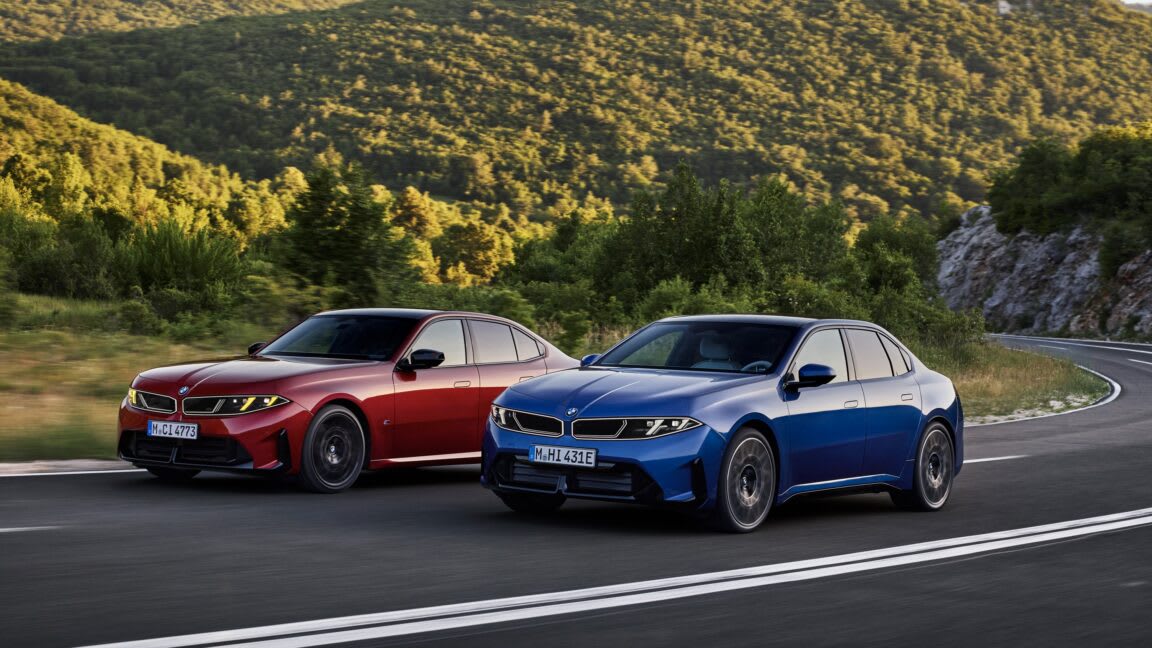
BMW has introduced its 2027 3 Series lineup, featuring both combustion and electric models built on the Neue Klasse platform. Notably, the electric i3 50 xDrive is priced $4,400 lower than its gas-powered counterpart, marking a significant milestone in EV price parity.
The Dawn of the Neue Klasse Era
BMW has officially opened order books for its 2027 3 Series, a pivotal launch that marks the debut of the brand's innovative 'Neue Klasse' platform. By offering both gasoline-powered variants and a fully electric model—the i3 50 xDrive—simultaneously, BMW is directly addressing the transition period currently facing the global automotive industry. This dual-track strategy acknowledges that while consumer interest in electric vehicles is surging, a significant segment of the market remains tethered to internal combustion engines.
Engineering the Future of Powertrains
The technological backbone of this launch is BMW’s sixth-generation electric powertrain, a system that has already garnered praise in the iX3. The i3 50 xDrive boasts an impressive all-wheel-drive configuration, producing 463 hp and 467 lb-ft of torque. Furthermore, BMW is targeting a range of 446 to 468 miles on a single charge, pending final EPA certification. This range capability is essential for overcoming 'range anxiety' and positions the i3 as a competitive alternative to established luxury EV sedans.
A Milestone in Pricing Parity
Perhaps the most significant aspect of this launch is the pricing strategy. For years, industry analysts—including those at BloombergNEF—predicted that electric vehicles would reach cost parity with fossil-fuel vehicles in the latter half of the 2020s. BMW has validated these projections by pricing the electric i3 50 xDrive at $61,500, which is $4,400 cheaper than the gas-powered M350 xDrive, which starts at $65,900. This deliberate pricing structure highlights the rapid reduction in battery production costs and the increasing efficiency of EV manufacturing.
Strategic Market Positioning
By offering a direct 'like-for-like' comparison, BMW is stripping away the ambiguity that has long clouded EV price analysis. Historically, it was difficult for consumers to compare value because EVs and gas cars rarely shared the same platform or performance profile. By keeping the styling and power output similar across the 3 Series lineup, BMW is forcing a direct value proposition: the electric version is not just a 'green' choice, but a financially superior one at the point of purchase.
Implications for the Automotive Sector
The 2027 3 Series launch signals a shift in how legacy automakers approach their product roadmaps. As EVs move from a premium 'niche' status to a volume-driven commodity, pricing strategies will become the primary battleground. If BMW can maintain this price advantage while scaling production on the Neue Klasse platform, it may compel other luxury manufacturers to accelerate their own cost-reduction efforts to remain competitive.
Future Trends and Outlook
Looking ahead, the success of the i3 50 xDrive will serve as a bellwether for the wider adoption of electric mobility. As infrastructure continues to expand and range capabilities stabilize near the 450-mile mark, the primary barrier to entry for many consumers will shift entirely to price. BMW’s move to make the EV the more affordable option in its flagship sedan segment suggests that the 'EV premium' era is drawing to a close, paving the way for a broader, more accessible electric future.