Bombay High Court ruling that could change cluster redevelopment of old buildings in Mumbai forever
Source Entity
The Indian Express
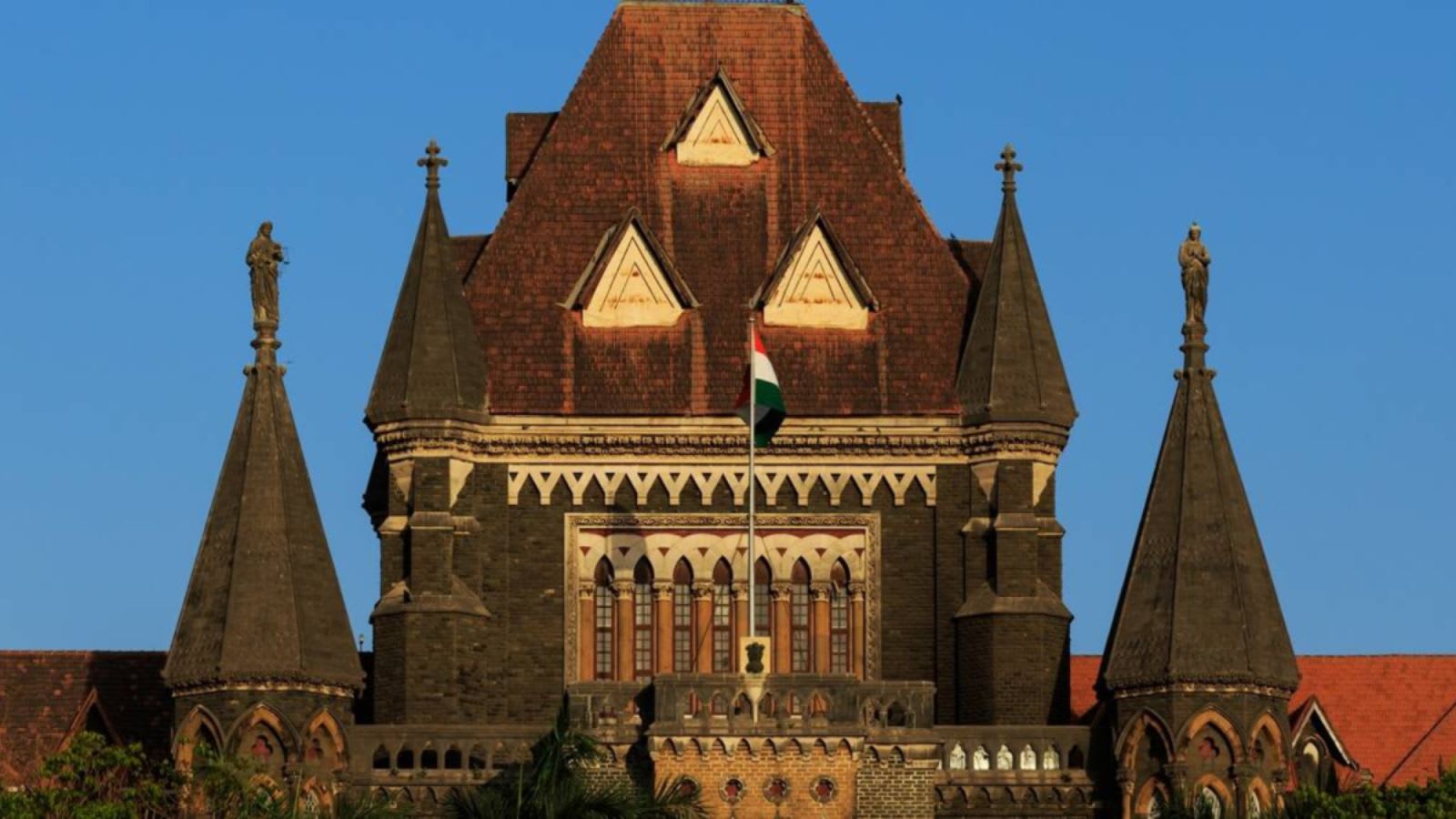
Clearing the way for cluster or integrated redevelopment of massive Maharashtra Housing and Area Development Authority (MHADA) layouts in Bandra Reclamation and Adarsh Nagar (Worli), the Bombay High C...
A Paradigm Shift in Mumbai's Urban Renewal
The Bombay High Court has delivered a pivotal ruling that is poised to redefine the landscape of urban redevelopment in Mumbai. By clearing the path for the integrated or cluster redevelopment of massive Maharashtra Housing and Area Development Authority (MHADA) layouts—specifically focusing on Bandra Reclamation and Adarsh Nagar in Worli—the court has addressed a long-standing bottleneck in the city's housing sector. For decades, the redevelopment of aging MHADA colonies has been hampered by a piecemeal approach, where individual societies attempted to rebuild in isolation. This ruling signals a shift toward a holistic, layout-wide strategy that prioritizes collective infrastructure over fragmented growth.
Breaking the Deadlock of Individual Redevelopment
Historically, the primary obstacle to renewing MHADA layouts has been the lack of consensus among various housing societies within a single layout. When redevelopment is pursued on a building-by-building basis, it often leads to chaotic urban planning, where one new high-rise may obstruct the light or ventilation of an adjacent old building, leading to endless legal disputes. By legitimizing the 'cluster' approach, the High Court has provided a legal framework that allows for the integrated planning of entire layouts. This means that instead of several small projects, one comprehensive master plan can be implemented, ensuring a more harmonious architectural and infrastructural transition.
Strategic Impact on Bandra Reclamation and Adarsh Nagar
The specific focus on Bandra Reclamation and Adarsh Nagar is highly significant given the prime real estate value of these locations. Bandra Reclamation serves as a critical link between the western suburbs and South Mumbai, while Adarsh Nagar in Worli sits in the heart of the city's commercial and residential hub. The integration of these layouts allows for the optimization of Floor Space Index (FSI) and the creation of shared amenities—such as modernized sewage systems, wider internal roads, and centralized green spaces—that would be impossible to achieve through individual society efforts. This approach transforms these areas from decaying residential pockets into modern, sustainable urban ecosystems.
Socio-Economic Implications for MHADA Tenants
For the residents of these MHADA colonies, the ruling offers a path toward significantly improved living standards. Many of these buildings have surpassed their structural lifespans, posing safety risks to thousands of families. The cluster redevelopment model typically attracts larger, more financially stable developers who can handle the scale of an entire layout, potentially offering better incentives, larger tenements, and higher-quality construction to the original inhabitants. However, this transition also brings challenges, including the need for complex negotiations between hundreds of stakeholders and the temporary displacement of residents during the construction phase.
Setting a Precedent for Mumbai's Future
This ruling is expected to serve as a legal blueprint for other aging MHADA colonies across Mumbai, from the sprawling layouts of Chembur to the dense clusters of Andheri. If the integrated model proves successful in Bandra and Worli, it will likely trigger a wave of cluster-based applications across the city. This could lead to a systemic overhaul of Mumbai's middle-income housing, reducing the reliance on erratic individual developer deals and moving toward a more regulated, master-planned urban expansion. It effectively moves the city closer to a 'Smart City' vision where land use is maximized for both density and livability.
Conclusion: A Catalyst for Modernization
In summary, the Bombay High Court's decision is more than just a legal clearance for two specific neighborhoods; it is a catalyst for a new era of urban planning in Maharashtra's capital. By prioritizing the 'cluster' over the 'individual,' the court has recognized that the complexities of a hyper-dense city like Mumbai require integrated solutions. While the execution will require meticulous coordination between MHADA, developers, and residents, the ruling provides the necessary legal certainty to transform decaying layouts into modern residential hubs, ensuring the city's housing stock evolves in tandem with its global economic ambitions.