Bihar Cabinet gives nod to Bihar Green Hydrogen Policy, 2026
Source Entity
India Latest News: Top National Headlines Today & Breaking News | The Hindu
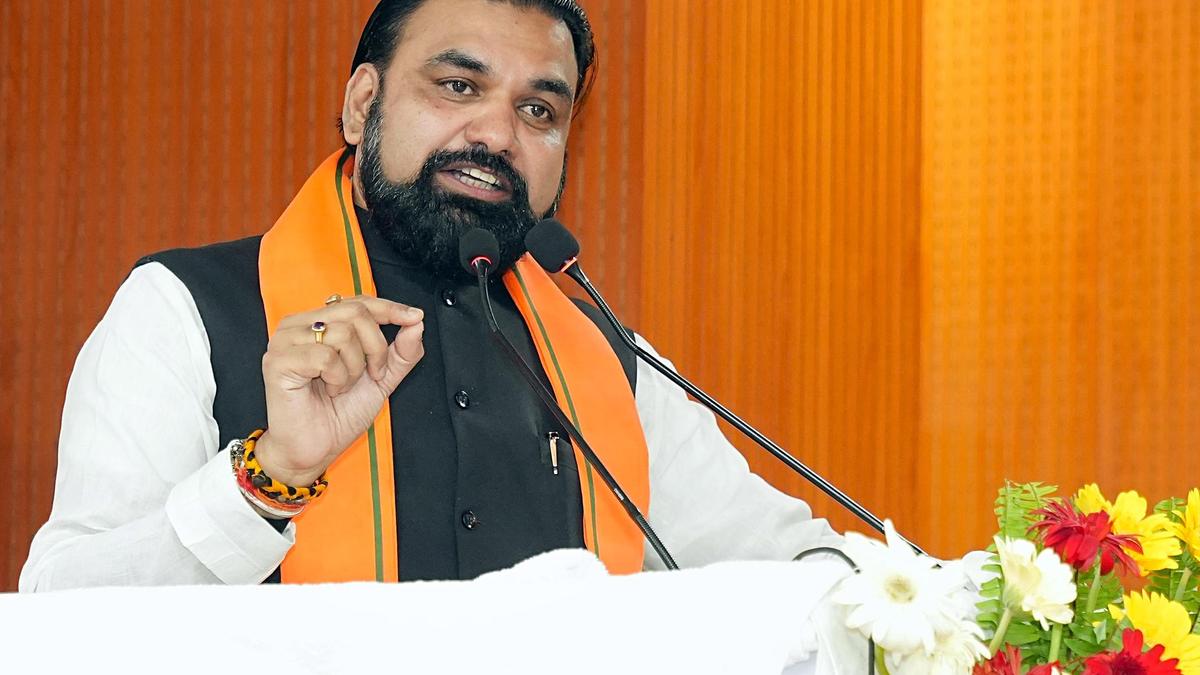
The Union Cabinet has approved a transformative three-pronged initiative covering agricultural support, renewable energy infrastructure, and smart urban mobility. Key highlights include increased Rabi crop MSPs, the Rs 1.86 lakh crore Green Energy Corridor-III, and an AI-driven traffic management system for Delhi.
Cabinet Approves Landmark Measures in Agriculture, Energy, and Urban Mobility
In a significant policy push, the Union Cabinet has unveiled a triad of initiatives designed to bolster India’s agricultural resilience, modernize its power grid, and revolutionize urban traffic management in the national capital. By addressing the competing needs of farmers, the energy sector, and urban commuters, these measures reflect a strategic approach to long-term national development.
Empowering the Agricultural Sector
Central to the Cabinet's recent decisions is the hike in Minimum Support Prices (MSP) for all mandated Rabi crops for the 2027-28 marketing season. This move, which includes a substantial Rs 675 increase for safflower and a Rs 25 rise for wheat, serves as a critical economic safeguard for farmers. By adjusting price floors, the government aims to ensure better returns for agricultural produce, thereby fostering rural economic growth and stabilizing the domestic food supply chain against market volatility.
Scaling Renewable Energy Infrastructure
To resolve long-standing bottlenecks in the power sector, the government has greenlit the Green Energy Corridor Phase-III (GEC-III). With an outlay of Rs 1,86,405 crore, this project is designed to facilitate the evacuation of 135 gigawatts (GW) of renewable energy. A notable evolution in this phase is the integration of 50 GWh of battery energy storage, a first for the GEC program. This infrastructure is vital for mitigating the curtailment of solar power, ensuring that surging peak demand is met by reliable, stored green energy by the FY33 deadline.
Smart Mobility: Delhi’s Traffic 'Brain'
Urban congestion in Delhi is set for a technological intervention via a Rs 1,789.52 crore Intelligent Traffic Management System (ITMS). By transitioning away from rigid, timer-based signals to a responsive, real-time AI platform managed by C-DAC, the city aims to optimize traffic flow across 42 key corridors. This "brain" for the capital’s roads is expected to improve safety, enforce traffic regulations through automation, and prioritize emergency services like ambulances.
Strategic Implementation and Future Outlook
The three-phase rollout of the ITMS in Delhi underscores a phased approach to urban infrastructure, allowing for evaluation and integration adjustments. Meanwhile, the GEC-III scheme represents a proactive shift toward grid modernization. By synchronizing agricultural support with high-tech energy and transport solutions, the Union Cabinet is setting a precedent for holistic governance.
Conclusion
These initiatives collectively highlight a modernization agenda that spans from the field to the power grid and the city street. The success of these programs—particularly the integration of large-scale battery storage and AI-driven urban management—will be crucial in determining India's trajectory toward energy security and efficient, smart urban living in the coming decade.
Verification Required?