After CAG flags E. Coli in drinking water, Railways announces major upgrade at 20,000 locations
Source Entity
Anish Mondal
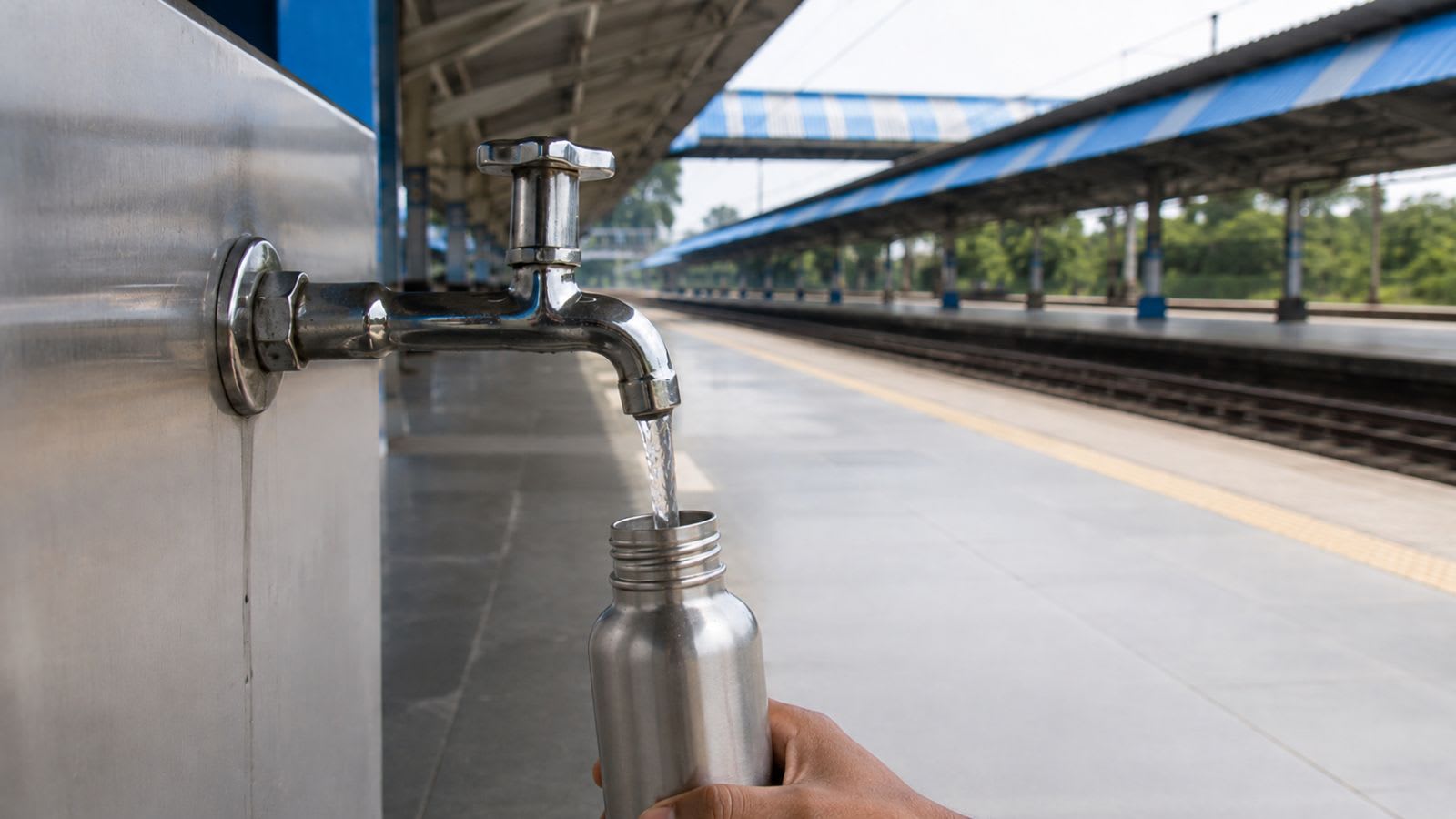
A recent CAG audit of 512 Indian railway stations revealed that 89% lack essential amenities, with significant concerns regarding contaminated drinking water. Findings include the presence of E. coli bacteria and a critical shortage of basic facilities like toilets, fans, and seating.
Assessing the State of Indian Railways: A CAG Audit Report
A recent audit conducted by the Comptroller and Auditor General (CAG) of India has cast a spotlight on the significant infrastructure and sanitation challenges plaguing the nation's railway network. Covering a comprehensive audit period from 2019-20 to 2023-24, the report evaluated 512 railway stations across the country, revealing that a staggering 89% of these locations are deficient in at least one minimum essential amenity. This analysis delves into the systemic failures highlighted by the report, which serve as a critical indicator of the current state of passenger services.
The Crisis of Public Hygiene
Perhaps the most alarming finding in the CAG report is the presence of E. coli bacteria in drinking water samples collected from water coolers and taps at various stations. E. coli, a bacterium typically associated with human excreta, poses a severe public health risk. The audit confirms that this contamination was detected across multiple zones, including stations in Southern, South Central, Central, and Eastern Railways. This discovery suggests a breakdown in the maintenance of water infrastructure, raising urgent questions about the safety protocols currently in place for millions of daily commuters.
Widespread Infrastructure Deficiencies
Beyond water safety, the audit paints a grim picture of basic service delivery. Of the 512 stations surveyed, only 54 were found to have no shortfalls. The remaining 458 stations struggled with missing or non-functional essential amenities. The statistics are telling: 42% of stations lacked adequate fans, 40% were missing functioning water coolers, and 27% had insufficient drinking water taps. Other critical amenities such as urinals (22%), seating arrangements (15%), platform shelters (13%), and latrines (12%) were also found to be lacking, significantly impacting the passenger experience.
Impact on Major Transit Hubs
It is important to note that these deficiencies are not limited to remote or minor stations. Major transit hubs, including New Delhi, Mumbai Central, Howrah, and Sealdah, were cited as lacking basic necessities like toilets, dustbins, and electronic display boards. The inclusion of these high-traffic stations in the audit underscores the scale of the challenge. Even with initiatives like the Amrit Bharat Station Scheme—launched in 2022 to modernize over 1,300 stations—the current data indicates that the pace of improvement has yet to address these foundational gaps in public service.
Future Implications and Policy Directions
Looking ahead, this audit serves as a wake-up call for the Railway Ministry to recalibrate its modernization strategies. While the Amrit Bharat Station Scheme aims to upgrade infrastructure, the presence of biological contaminants and the lack of basic sanitation facilities suggest that maintenance and quality control are just as vital as new construction. To prevent future public health crises and ensure passenger comfort, authorities must prioritize the implementation of rigorous water quality testing and consistent maintenance schedules for existing station facilities.
Conclusion
The CAG report provides a sobering look at the reality of railway passenger services in India. By identifying specific deficiencies in sanitation and infrastructure, the audit offers a roadmap for necessary improvements. Ensuring that every station provides clean water and basic amenities is not merely a matter of convenience, but a fundamental requirement for the safe and efficient operation of the world's fourth-largest railway network.
Multiple Citing Sources