California Gov. Gavin Newsom bans AI 'robo bosses' in landmark state law, reversing his earlier veto
Source Entity
US Top News and Analysis
California has enacted the 'No Robo Bosses Act' (SB 947), becoming the first U.S. state to ban employers from using AI as the sole decision-maker in firing or disciplining workers. The law mandates human oversight to mitigate algorithmic bias and ensure transparency in the workplace.
California Sets National Precedent with AI Workplace Legislation
California has officially become the first U.S. state to enact legislation prohibiting employers from relying exclusively on artificial intelligence to terminate or discipline workers. Governor Gavin Newsom signed SB 947, widely referred to as the 'No Robo Bosses Act,' marking a decisive shift in how the state regulates the intersection of automation and labor rights. By mandating human supervision in these critical personnel decisions, the state is addressing growing concerns regarding the ethics of algorithmic management.
Mitigating Algorithmic Bias and Inaccuracy
The core objective of SB 947 is to mitigate the risks inherent in automated decision-making systems, such as inherent bias and technical inaccuracies. Automated systems often lack the nuanced understanding required to evaluate human performance, potentially leading to unfair terminations. By requiring human intervention, the law ensures that disciplinary actions are subject to professional judgment rather than cold, data-driven outputs that may fail to account for context, individual circumstances, or systemic errors within the software itself.
Transparency and Employee Rights
Beyond banning sole reliance on AI, the legislation mandates transparency. Employers are now required to inform employees whenever artificial intelligence is utilized in decision-making processes that affect their employment status. This 'right to know' empowers the workforce, allowing employees to challenge decisions that were influenced by algorithms. This requirement serves as a safeguard against the 'black box' problem, where employees are fired by systems they do not understand and cannot effectively appeal.
A Victory for Organized Labor
The enactment of this law follows a years-long push from organized labor groups who have been concerned about the dehumanization of the workplace. As California represents the largest economy and population in the United States, this legislative move carries significant weight. Labor advocates view this as a landmark win, setting a standard that other states may soon follow as AI becomes more deeply integrated into human resources and management platforms.
The Future of AI in the Workforce
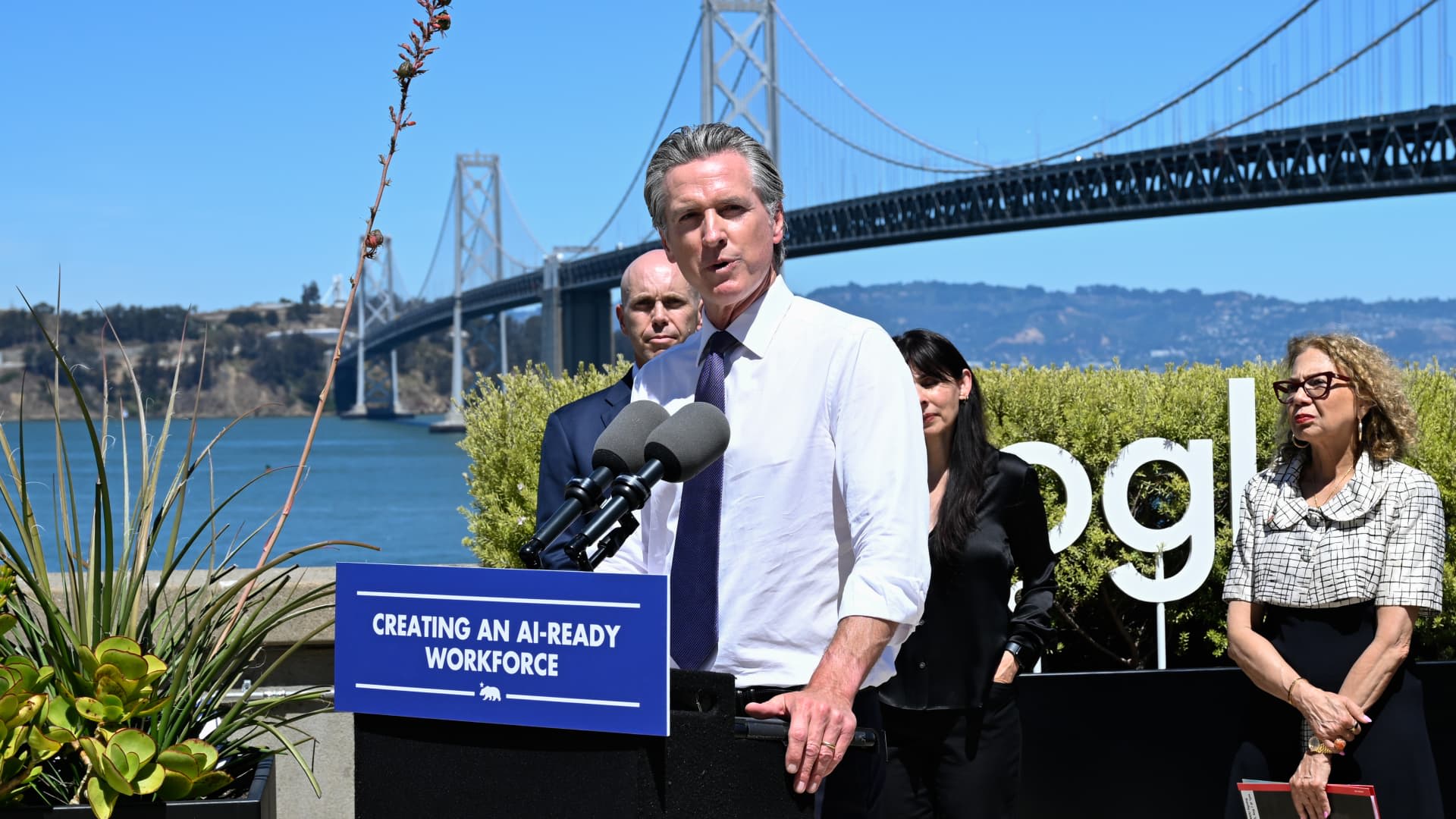
Governor Newsom’s signature on this bill contrasts with his earlier veto on similar measures, signaling a growing political consensus on the need for 'AI-ready' policies. As seen during the August 2025 'Creating an AI-Ready Workforce' initiative in San Francisco, there is a clear push to balance technological innovation with worker protections. Moving forward, businesses operating in California must recalibrate their HR software to ensure human-in-the-loop compliance, likely leading to more robust oversight protocols across the state's massive corporate sector.
Conclusion
The 'No Robo Bosses Act' is a landmark development that defines the boundary between machine efficiency and human dignity. By ensuring that no worker is fired by a machine alone, California has established a vital framework for the future of work. As AI continues to evolve, this legislation will likely serve as the foundational model for national debates on how to protect the human element in an increasingly automated economy.
Multiple Citing Sources