15 years locked in boxes: Fate of over 2 lakh books moved for Delhi Metro work
Source Entity
Harikishan Sharma, Damini Nath
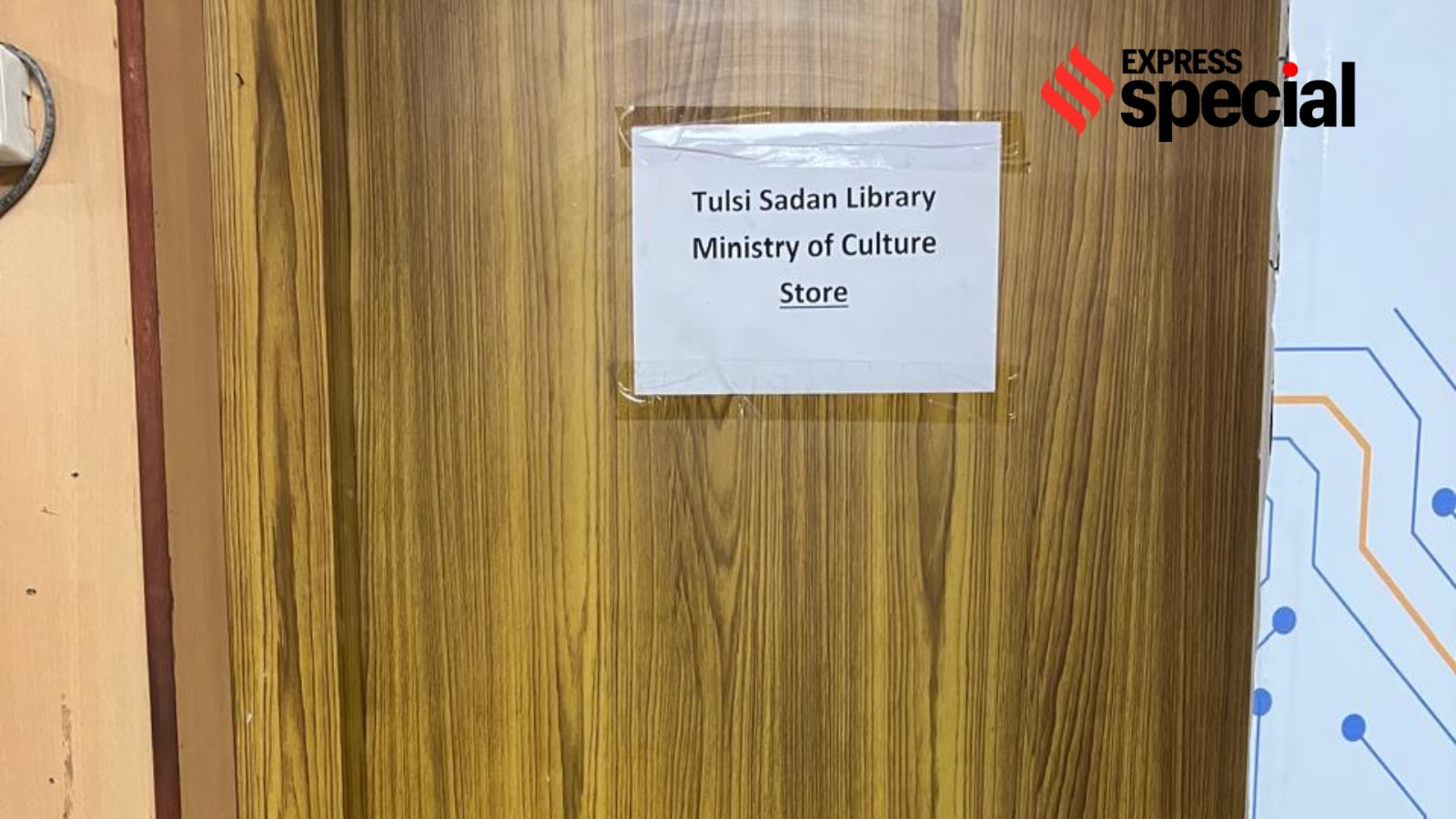
The historic Central Secretariat Library faces an uncertain future as the Central Vista redevelopment project mandates the demolition of its current home in Shastri Bhawan. Simultaneously, over 2 lakh volumes from its regional languages section remain inaccessible, having been packed in boxes for 15 years due to previous infrastructure projects.
The Uncertain Future of India's Intellectual Heritage
The Central Secretariat Library (CSL), an institution spanning 135 years of history, currently stands at a precarious crossroads. With a vast collection of over 8.5 lakh books—including rare gazetteers and official government records—the library is an invaluable repository of India’s administrative and cultural evolution. However, as the government pushes forward with the Central Vista redevelopment project, the library’s long-standing home in Shastri Bhawan is slated for demolition, leaving the future of this massive collection in limbo.
A Legacy in Transit
Tracing its roots back to 1911, when King George V decreed the shift of the capital from Calcutta to Delhi, the library was originally known as the Imperial Secretariat Library. It has historically served as a satellite of the state's power, moving from the Old Secretariat to the North Block, and finally settling in Shastri Bhawan in 1969. This history reflects the shifting architectural and administrative landscape of New Delhi, but the current lack of a clear relocation plan threatens to sever this institutional continuity.
The Tragedy of the Tulsi Sadan Collection
Beyond the primary collection at Shastri Bhawan, the CSL faces a secondary crisis regarding its regional languages wing, known as the Tulsi Sadan Library. Opened in 1972 to honor the 400th anniversary of the Ramcharitmanas, this collection was once housed at the National School of Drama premises. In 2011, the facility was shuttered to accommodate Delhi Metro construction at Mandi House. More than a decade later, over 2 lakh books in 14 Indian languages remain packed in boxes, effectively inaccessible to the public and scholars alike.
Broader Implications for Cultural Preservation
The sustained neglect of the Tulsi Sadan collection highlights a systemic failure in integrating cultural preservation with urban development. When infrastructure projects take precedence over the maintenance of public archives, the result is an intellectual 'blackout' where rare literature and historical records are relegated to storage. The potential displacement of the main CSL collection suggests that without a dedicated, long-term policy for heritage conservation, India risks losing physical access to its own recorded history.
Future Trends and Challenges
As the Central Vista project continues to reshape the heart of the capital, the logistical challenge of moving 8.5 lakh books is immense. Proper preservation requires climate-controlled environments and digitized indexing, processes that are difficult to execute when an institution lacks a permanent physical address. The ongoing uncertainty suggests that unless the Ministry of Culture intervenes with a concrete relocation strategy, these books may face further damage or prolonged abandonment, similar to the fate of the regional language volumes.
Conclusion
The Central Secretariat Library is more than just a storage facility for books; it is a vital link to India's colonial and post-independence history. The combination of the Central Vista redevelopment and the historical failure to restore the Tulsi Sadan collection points to an urgent need for administrative accountability. Preserving these volumes is not merely a matter of logistics, but a fundamental duty to protect the nation's diverse intellectual and linguistic heritage for future generations.