Centre offers up to 75% relief in environmental compensation to groundwater users
Source Entity
India Latest News: Top National Headlines Today & Breaking News | The Hindu
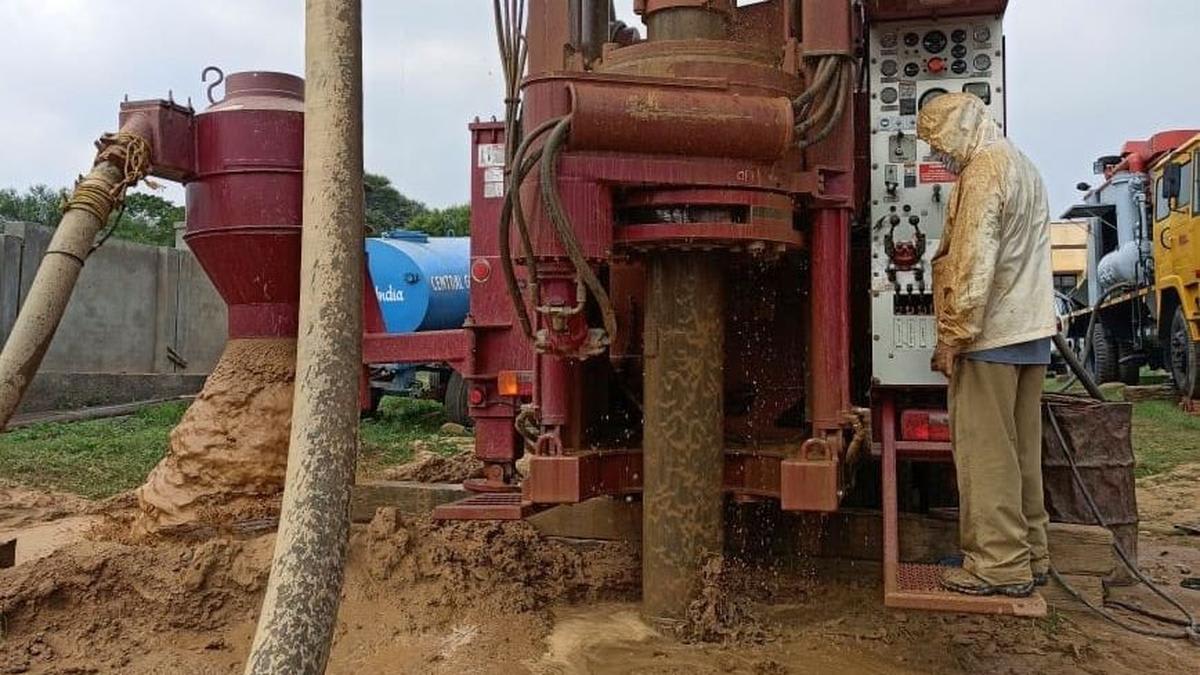
The Ministry of Jal Shakti has launched the Ground Water Charges (Dispute Resolution) Scheme, 2026, to regularize groundwater usage. This one-time settlement offers industries and infrastructure projects 30-75% relief on environmental compensation penalties.
Addressing Groundwater Compliance: The 2026 Settlement Scheme
The Ministry of Jal Shakti has taken a significant step toward streamlining the regulation of groundwater extraction with the introduction of the Ground Water Charges (Dispute Resolution) Scheme, 2026. Notified on November 12, this initiative targets a pervasive issue: the lack of compliance among industrial and infrastructure entities regarding mandatory groundwater usage permits. By offering a structured, one-time settlement mechanism, the government intends to shift the focus from punitive litigation to administrative regularization.
Scope and Financial Relief
At the core of the scheme is a tiered relief structure, providing between 30% and 75% relief on environmental compensation fees. This financial incentive is specifically designed for industries, mining units, and large-scale infrastructure projects that have historically operated without proper permissions, experienced delays in permit renewals, or exceeded their legally allocated extraction limits. By lowering the financial barrier to compliance, the ministry aims to encourage project proponents to come forward and align their operations with national water conservation standards.
Expanding the Regulatory Framework
One of the primary objectives of the 2026 scheme is to bring a larger number of groundwater users under the oversight of the regulatory framework. Currently, many entities remain outside the formal system due to ongoing disputes or fears regarding the accumulation of substantial environmental penalties. By facilitating the settlement of pending litigation, the government is effectively clearing the backlog of legal cases that have hindered effective water management in 19 States and Union Territories.
Strategic Implementation and Duration
Designed as a time-bound intervention, the scheme will remain in force for exactly one year from its date of publication in the official gazette. This limited window creates a sense of urgency for project proponents to audit their current groundwater usage and rectify past non-compliance. It acts as a bridge between past regulatory lapses and a future of stricter enforcement, ensuring that stakeholders have a defined period to regularize their status before potentially facing more stringent compliance measures.
Broader Implications for Water Security
Water security remains one of the most critical challenges for India's economic development. By incentivizing compliance, the Ministry of Jal Shakti is not merely settling financial disputes but is also gaining better data and control over groundwater extraction rates across diverse geographic regions. This initiative reflects a broader trend of utilizing administrative flexibility to achieve long-term ecological sustainability, acknowledging that a cooperative approach between industry and the state is essential for the effective management of dwindling natural resources.
Future Outlook
As the scheme progresses over the next twelve months, its success will likely be measured by the number of projects that successfully transition into the formal regulatory fold. If effective, this policy could serve as a template for other environmental regulations, balancing the need for industrial growth with the imperative of resource conservation. The ultimate success of this initiative will depend on the willingness of stakeholders to utilize this window of opportunity to ensure long-term operational viability in a landscape of increasing environmental oversight.
Verification Required?