Chandigarh hit-and-run: Speeding Mercedes hits 2 outside nightclub; driver flees
Source Entity
PAWAN TIWARI
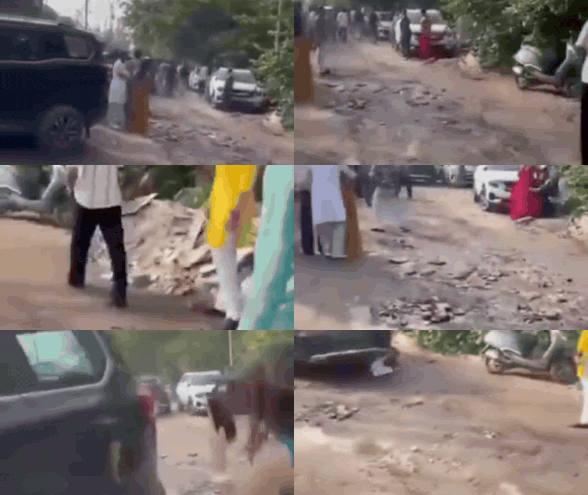
Two youths were injured after a speeding Mercedes car hit them outside a Chandigarh nightclub. The driver fled the scene while passersby recorded the incident on their phones. Police are investigating the matter and searching for the absconding driver. Both injured individuals were admitted to the hospital for treatment. Authorities are reviewing CCTV footage to identify the vehicle and its driver.
Analysis of the Chandigarh Nightclub Hit-and-Run Incident
In a distressing turn of events, a night of leisure in Chandigarh was marred by a violent road accident involving a luxury vehicle. The incident, where a speeding Mercedes hit two youths outside a local nightclub, highlights a recurring and dangerous intersection between high-speed driving and pedestrian vulnerability in urban nightlife districts. The immediate aftermath saw the victims rushed to the hospital, while the driver chose to flee the scene, transforming a traffic accident into a criminal hit-and-run investigation.
The Role of Digital Evidence in Modern Policing
One of the most critical aspects of this case is the immediate availability of digital evidence. The report notes that passersby recorded the incident on their phones, and authorities are currently reviewing CCTV footage. In the modern urban landscape of Chandigarh, the ubiquity of surveillance cameras and smartphones has significantly narrowed the window for perpetrators to escape accountability. This "digital trail" is often the deciding factor in identifying luxury vehicles, which, despite their prestige, are easily tracked via registration numbers captured in high-definition footage.
Socio-Economic Implications of Luxury Car Recklessness
This event brings to light a concerning trend often observed in affluent urban hubs: the correlation between luxury vehicle ownership and reckless driving. The use of a high-performance vehicle like a Mercedes in a crowded area outside a nightclub suggests a disregard for public safety and a potential abuse of the vehicle's power. Historically, such incidents in Indian cities have often sparked debates regarding the "culture of impunity," where drivers of expensive cars may feel shielded from the immediate consequences of their actions, though the current police pursuit indicates a commitment to upholding the law regardless of the vehicle's status.
Legal Consequences of Fleeing the Scene
From a legal standpoint, the driver's decision to flee the scene significantly aggravates the nature of the crime. Under Indian law, failing to report an accident and fleeing the scene can lead to more severe charges than the initial accident itself. The transition from a case of "negligent driving" to a "hit-and-run" implies a conscious effort to evade justice. The police's classification of the driver as "absconding" suggests that a manhunt is underway, and the legal proceedings will likely focus not only on the injury caused to the youths but also on the cowardice of the escape.
Urban Safety and Nightlife Management
This incident underscores a systemic need for better traffic management and pedestrian safety measures around entertainment zones. Nightclubs typically attract large crowds of young people, often in areas where vehicle speeds are not strictly monitored. The fact that a car could reach "speeding" velocities in such a high-pedestrian zone suggests a failure in local speed-calming infrastructure. There is a pressing need for the Chandigarh administration to implement stricter speed limits, install more speed breakers, and increase police patrolling during peak nightlife hours to prevent such tragedies.
Conclusion and Future Outlook
Ultimately, the Chandigarh hit-and-run is a stark reminder of the volatility of urban roads. The recovery of the two injured youths remains the primary concern, but the swift apprehension of the driver is essential to maintain public order and deter similar acts of recklessness. As the investigation progresses through the analysis of CCTV and witness videos, this case will likely serve as a precedent for how digital evidence is leveraged to ensure that wealth and luxury do not provide a getaway from legal accountability.