Chevron CEO warns against 'unwise' diesel export ban, saying it could make things worse
Source Entity
US Top News and Analysis
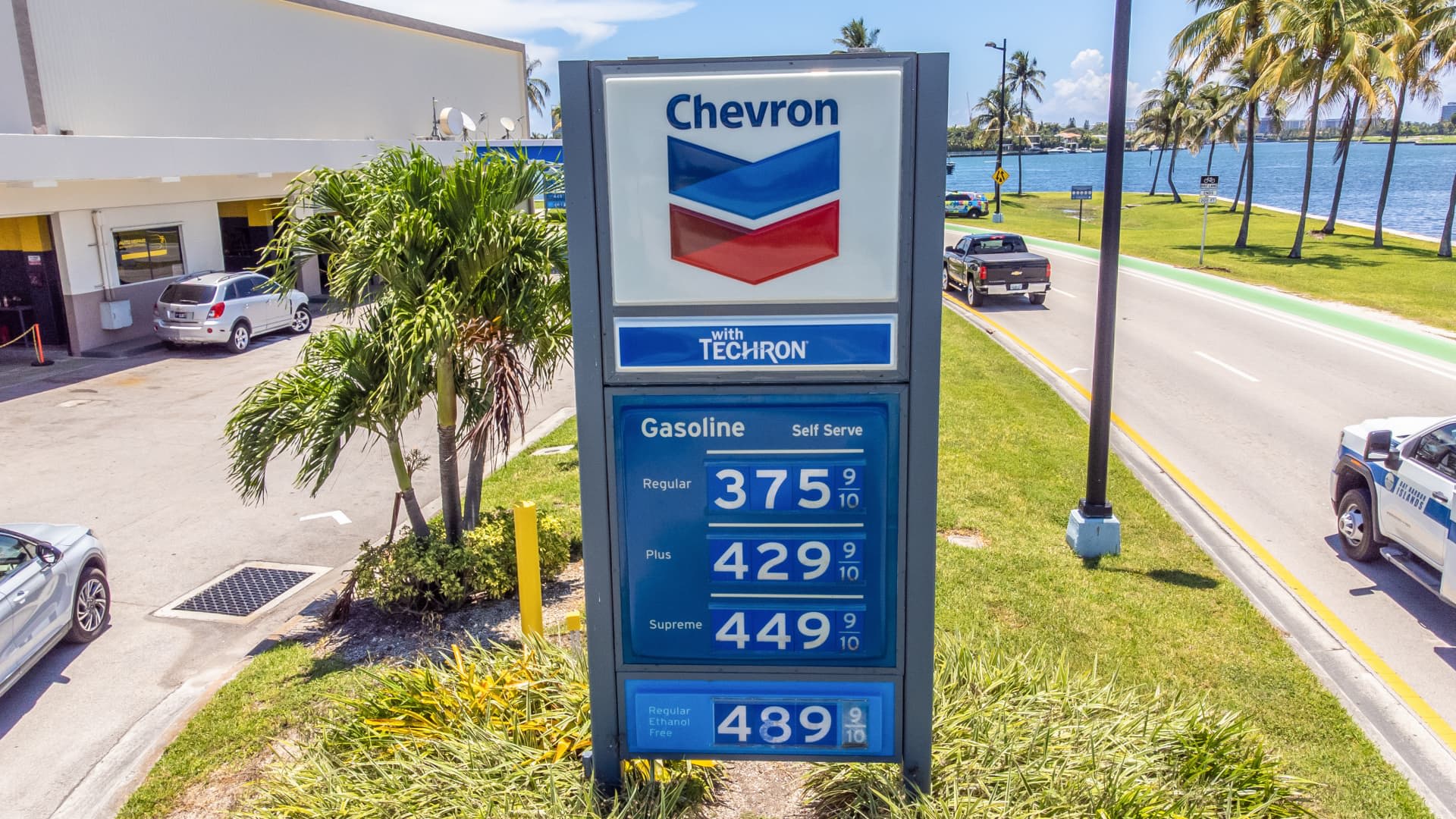
Chevron CEO Mike Wirth has cautioned the Trump administration against implementing a diesel export ban, arguing it would undermine U.S. reliability as a global energy supplier. Wirth suggests that such protectionist policies could exacerbate market volatility while existing supply pressures are already beginning to ease.
The Strategic Risks of U.S. Diesel Export Restrictions
The Warning from Chevron
Chevron CEO Mike Wirth has publicly challenged the prospect of a diesel export ban under the Trump administration, characterizing such a move as "unwise." In a recent interview, Wirth emphasized that the United States has solidified its position as a critical, reliable supplier of energy to global markets. By restricting exports, the administration risks damaging the long-term credibility of U.S. energy diplomacy at a time when international partners are looking to American infrastructure for stability.
Impact on Global Market Dynamics
The core of Wirth’s argument rests on the interconnected nature of global energy markets. He posits that an export ban would likely prove counterproductive, potentially worsening the very supply constraints it aims to solve. By artificially curbing the flow of diesel, the U.S. could trigger retaliatory measures or shift the global supply-demand balance in ways that lead to higher price volatility, ultimately harming domestic refiners and global consumers alike.
Geopolitical Implications and Ally Relations
Beyond the immediate economic impact, the proposed ban carries significant geopolitical weight. Wirth noted that such policy shifts create uncertainty among allies and partners who rely on U.S. energy exports during difficult periods. If the U.S. is perceived as an unreliable partner that prioritizes short-term political optics over long-term trade commitments, it may embolden other nations to seek energy security through alternative suppliers, thereby reducing American influence in global energy markets.
Current Market Cooling Factors
It is essential to contextualize these warnings against the current state of the energy market. Data suggests that fears regarding supply shortages are beginning to recede, bolstered by an increase in crude exports from the Middle East and the strategic release of G7 emergency stockpiles. These factors indicate that the market is already undergoing a period of stabilization, making the implementation of drastic, protectionist measures like an export ban appear unnecessary to many industry leaders.
Future Trends in Energy Policy
Looking ahead, the tension between domestic energy security and global trade obligations will likely remain a central theme of the current administration's energy agenda. The debate highlights a fundamental disagreement between those who favor interventionist, protectionist policies to lower domestic costs and industry leaders who advocate for a free-market approach that leverages U.S. production capacity to maintain global dominance. As the administration navigates these pressures, the outcome will have profound implications for both the American energy sector and international market stability.