Free speech or hate? Court refuses to drop charges against 11 over ‘anti-Hindu’ remarks
Source Entity
Vineet Upadhyay
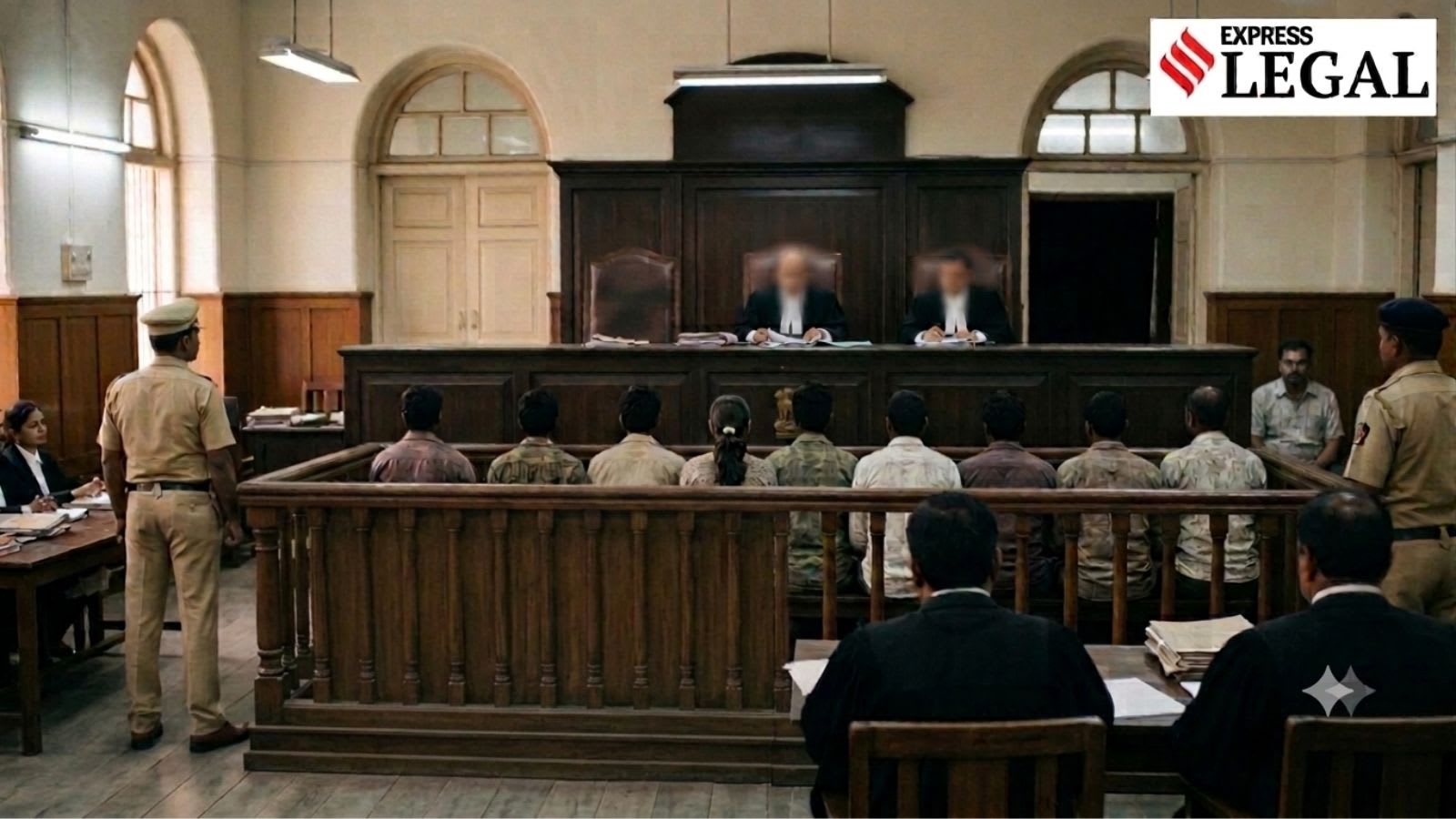
The Chhattisgarh High Court has refused to set aside criminal proceedings against 11 Bharat Mukti Morcha and Rashtriya Christian Morcha functionaries accused of making derogatory remarks against Hindu...
Legal Tension: Free Speech vs. Religious Sentiment in Chhattisgarh
In a significant judicial determination, the Chhattisgarh High Court has refused to set aside criminal proceedings against 11 individuals associated with the Bharat Mukti Morcha and the Rashtriya Christian Morcha. The accused functionaries are facing charges stemming from allegations that they made derogatory and inflammatory remarks directed at the Hindu community. This decision underscores the ongoing legal struggle in India to define the boundary between the constitutionally protected right to freedom of speech and the legal prohibitions against hate speech and the promotion of communal disharmony.
The Judicial Refusal to Quash Proceedings
The core of this legal battle rests on the court's refusal to exercise its inherent powers to quash the FIRs (First Information Reports) and subsequent criminal proceedings. In the Indian legal system, a High Court may quash proceedings if it finds that the allegations, even if taken at face value, do not constitute a cognizable offense. By refusing to do so, the Chhattisgarh High Court has signaled that there is sufficient prima facie evidence to suggest that the remarks made by the 11 functionaries crossed the line from critical discourse into the realm of criminal hate speech. This means the accused must now face trial, where the specific nature and intent of their words will be scrutinized in detail.
The Role of Advocacy Groups
The involvement of the Bharat Mukti Morcha and the Rashtriya Christian Morcha adds a layer of socio-political complexity to the case. These organizations often position themselves as advocates for marginalized communities or specific religious minorities. When leaders of such organizations are accused of making derogatory remarks about a majority faith, it often triggers intense public debate regarding the nature of "social critique" versus "communal provocation." The court's stance suggests that the identity or the advocacy goals of an organization do not grant immunity from laws designed to maintain public order and religious harmony.
Contextualizing Hate Speech Laws in India
This case is anchored in the broader application of the Indian Penal Code (IPC), specifically sections such as 153A (promoting enmity between different groups on grounds of religion, race, etc.) and 295A (deliberate and malicious acts intended to outrage religious feelings). These laws are frequently at the center of a tug-of-war between civil liberties activists and those seeking to protect religious sensibilities. Historically, the Indian judiciary has attempted to balance Article 19(1)(a) of the Constitution—which guarantees freedom of speech—with "reasonable restrictions" imposed in the interest of public order and morality. The Chhattisgarh High Court's decision aligns with a trend of treating speech that targets religious identity as a potential threat to social stability.
Broader Implications for Religious Discourse
The implications of this ruling extend beyond the 11 individuals involved. It sends a clear message to religious and social functionaries that the judiciary is unlikely to dismiss charges of hate speech at the preliminary stage if the remarks are deemed derogatory toward a religious community. This may lead to a more cautious approach in public rhetoric, but it also raises concerns among free speech advocates who fear that such rulings could be used to stifle legitimate criticism of religious practices or institutionalized faith.
Conclusion and Future Outlook
As the case moves toward trial, the focus will shift from the legality of the proceedings to the factual determination of whether the remarks were indeed "derogatory" or merely "critical." This case will likely be closely watched by legal experts and human rights organizations as a benchmark for how the courts handle intersectional conflicts between minority advocacy and majority religious sentiments. Ultimately, the final verdict will contribute to the evolving jurisprudence on hate speech in India, further refining the delicate balance between the right to speak and the right to live in a society free from communal hatred.