Incentives, waivers part of Delhi’s plan to phase out old trucks and buses, curb pollution
Source Entity
The Indian Express
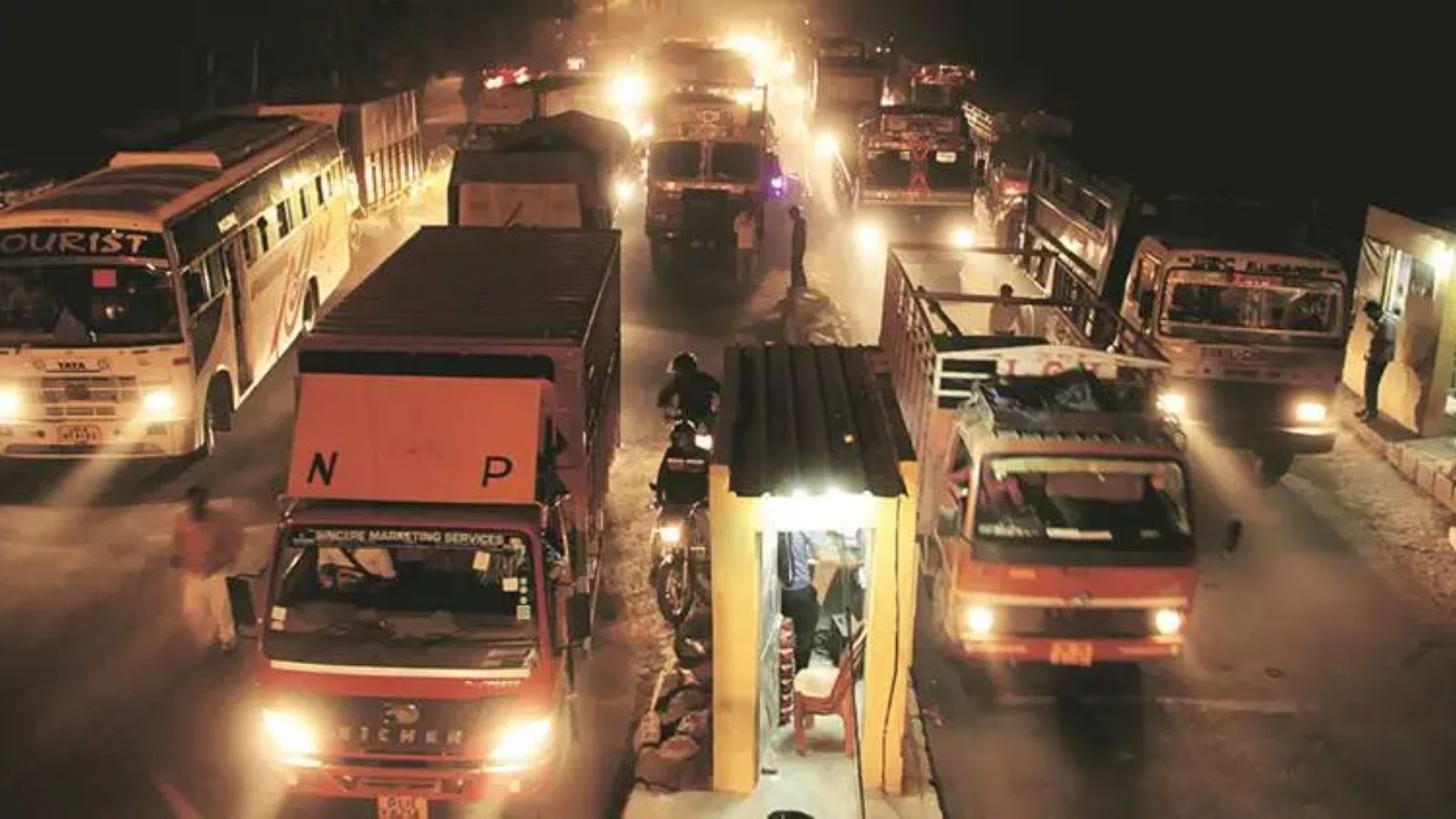
The proposed measures are aimed at reducing vehicular emissions and accelerating the adoption of cleaner transport. (File Photo) With an aim to phase out old trucks and buses in the Capital to curb a...
Combatting Urban Smog: Delhi's Strategic Shift in Commercial Transport
Delhi continues to grapple with severe air quality challenges, particularly during the winter months when stagnant winds and industrial emissions create a toxic haze. In a targeted effort to mitigate this, the government has proposed a comprehensive plan to phase out old trucks and buses. By focusing on commercial vehicles, which are primary contributors to particulate matter (PM2.5) and nitrogen oxides (NOx), the city aims to tackle the root cause of vehicular pollution rather than relying solely on temporary measures like the Odd-Even scheme.
The Mechanism of Incentives and Waivers
The core of this proposal lies in the transition from a purely punitive approach to an incentive-based model. Historically, the National Green Tribunal (NGT) imposed strict bans on diesel vehicles older than ten years, which often left small-scale transport operators in financial distress. The new plan introduces 'incentives and waivers,' which likely include scrappage subsidies and exemptions from registration fees or road taxes for those upgrading to newer, cleaner vehicles. By lowering the financial barrier to entry for newer technology, the government encourages fleet owners to voluntarily retire polluting assets.
Economic Implications for the Logistics Sector
Commercial transport is the backbone of Delhi's supply chain, with thousands of trucks moving goods into the National Capital Region (NCR) daily. A sudden mandate to scrap old vehicles could lead to logistics bottlenecks or price hikes for essential commodities. However, by providing financial waivers, the government is attempting to balance environmental imperatives with economic stability. This shift is expected to modernize the city's logistics fleet, replacing inefficient, high-emission engines with more fuel-efficient and environmentally friendly alternatives, thereby reducing the long-term operational costs for transporters.
Accelerating the Adoption of Green Technology
This policy serves as a catalyst for the adoption of cleaner transport technologies, such as Compressed Natural Gas (CNG) and Electric Vehicles (EVs). As old diesel engines are phased out, the infrastructure for EV charging and CNG refueling is likely to see increased demand and investment. The transition is not merely about removing old vehicles but about steering the entire transport ecosystem toward a zero-emission future. This aligns with broader national goals of reducing India's dependence on imported fossil fuels and meeting international climate commitments.
Historical Context and Policy Evolution
For years, Delhi's approach to pollution has been reactive, often characterized by emergency lockdowns or construction bans during peak smog periods. The shift toward a structured phasing-out process for commercial vehicles represents a move toward proactive urban planning. By addressing the 'legacy fleet'—vehicles that were compliant when bought but are now obsolete in terms of emission standards—the city is addressing a systemic issue. This evolution in policy reflects a growing understanding that sustainable urban air quality requires the permanent removal of the most polluting sources rather than temporary restrictions.
Conclusion and Future Outlook
If implemented effectively, the plan to phase out old trucks and buses could lead to a measurable decrease in urban pollutants and a significant improvement in public health. The success of the initiative will depend on the accessibility of the incentives and the speed at which the government can process waivers. Looking ahead, this model could serve as a blueprint for other polluted metropolitan areas across India, proving that a combination of financial support and regulatory pressure is the most effective way to modernize aging transport infrastructure for a greener tomorrow.