UN maritime agency opposes Hormuz transit fees after Trump demands protection money
Source Entity
US Top News and Analysis
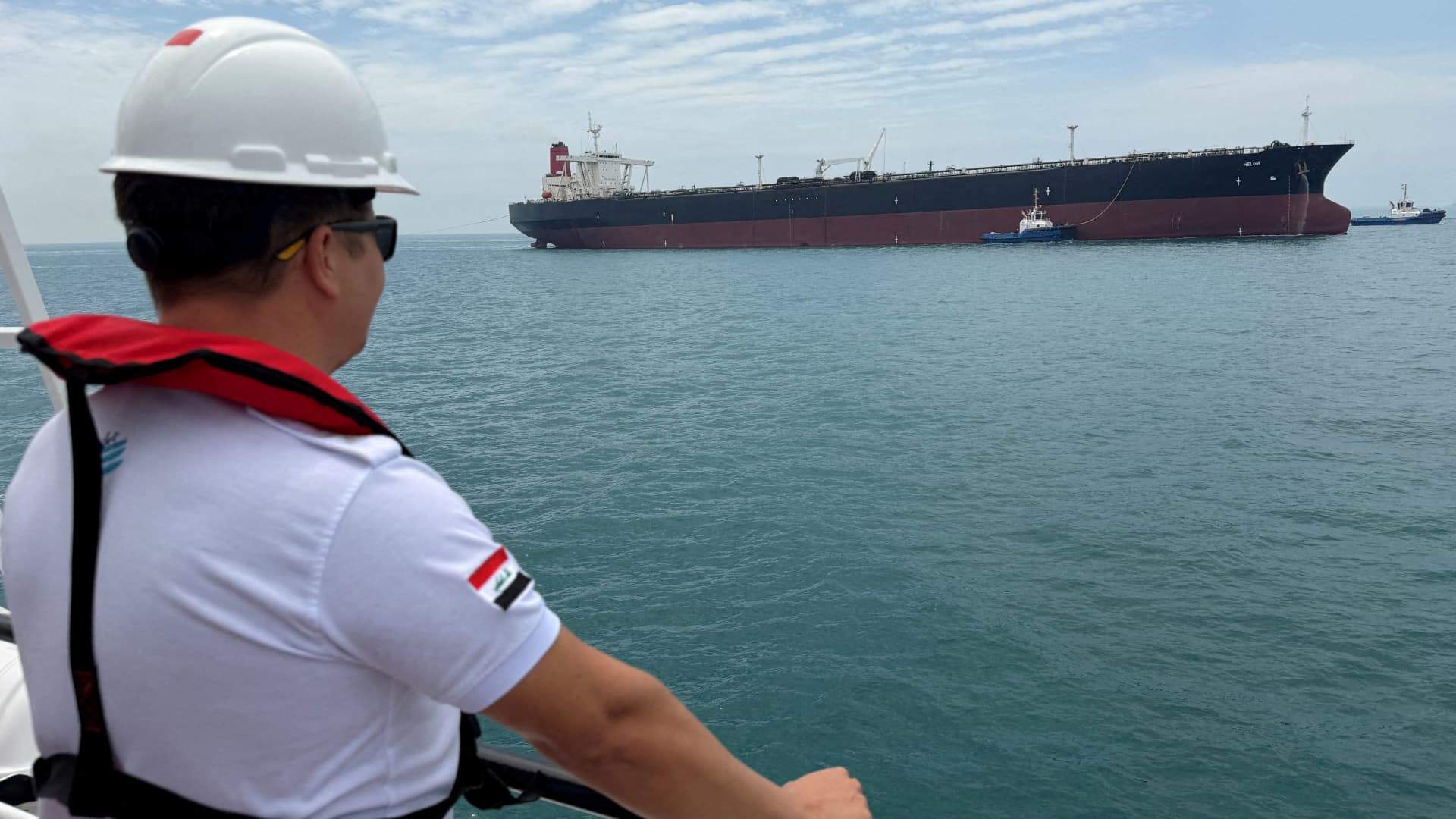
The security situation in Hormuz has deteriorated since Iran attacked multiple commercial ships transiting the strait over the past week.
Geopolitical Friction in the Strait of Hormuz: Security vs. Sovereignty
The recent escalation in the Strait of Hormuz has brought the global community to a critical juncture regarding maritime security and international law. With reports of multiple commercial ships being attacked by Iranian forces over the past week, the region has once again become a flashpoint for global tension. The situation is further complicated by the introduction of a transactional security model, where Donald Trump has demanded 'protection money' to ensure the safety of vessels transiting this vital chokepoint. This development has prompted an immediate and stern response from the UN maritime agency, which views the imposition of transit fees as a violation of established international norms.
The Catalyst: Iranian Aggression and Maritime Instability
The current crisis is rooted in a sharp deterioration of security within the Strait of Hormuz, one of the world's most strategically important waterways. The reported attacks on commercial vessels by Iran are not isolated incidents but are indicative of a broader strategy to exert leverage over global energy markets and political adversaries. By targeting non-combatant shipping, Iran creates a climate of fear that drives up insurance premiums and disrupts the flow of oil and gas. This volatility underscores the fragile nature of the region, where local political disputes can rapidly evolve into global economic shocks, threatening the stability of the global energy supply chain.
The 'Protection Money' Paradox
In response to the instability, the demand for 'protection money' by Donald Trump represents a significant departure from traditional diplomatic and military security frameworks. Rather than relying on multilateral coalitions or established naval treaties, this approach treats maritime security as a commodity. From a strategic perspective, this move seeks to offset the costs of naval deployment by shifting the financial burden onto the shipping companies or the nations benefiting from the trade. However, this transactional approach risks legitimizing the idea that the freedom of navigation is a paid service rather than a fundamental right under international law, potentially setting a dangerous precedent for other global chokepoints.
The UN's Legal and Ethical Standpoint
The UN maritime agency's opposition to these fees is grounded in the principle of 'Transit Passage' as defined by the United Nations Convention on the Law of the Sea (UNCLOS). According to international law, ships should be able to navigate through straits used for international navigation without being subjected to arbitrary tolls or restrictions. By opposing these fees, the UN is attempting to prevent the 'commodification' of the seas. The agency argues that allowing a single power to levy fees for protection could lead to a fragmented maritime order where only the wealthiest nations or corporations can afford safe passage, effectively disenfranchising smaller economies.
Broader Economic Implications and Market Volatility
The intersection of Iranian attacks and the dispute over transit fees creates a high-risk environment for global markets. The Strait of Hormuz is the primary artery for a significant portion of the world's liquefied natural gas (LNG) and crude oil. Any perceived instability or the imposition of new costs—whether through increased insurance 'war risk' premiums or direct protection fees—inevitably leads to higher energy prices for consumers worldwide. Investors and energy traders are particularly sensitive to these developments, as the threat of a total blockade or a sustained fee-based regime could trigger a spike in oil prices, fueling global inflation.
Future Outlook: Toward a New Security Architecture
Looking forward, the resolution of this conflict will likely require a shift from transactional demands to a sustainable, multilateral security architecture. While the immediate focus remains on stopping Iranian attacks, the long-term challenge is defining who pays for and manages the security of international waters. We can expect continued friction between the US administration's 'America First' transactional approach and the UN's commitment to international legal frameworks. If a consensus is not reached, the region may see the rise of fragmented 'security bubbles,' where different coalitions of ships travel under different protection agreements, further complicating maritime law.
Summary
The clash between the UN maritime agency and the demands for protection fees in the Strait of Hormuz highlights a fundamental struggle between international law and realpolitik. While the immediate catalyst is the aggression from Iran, the subsequent debate over transit fees reveals a deeper conflict regarding the governance of global commons. The outcome of this standoff will determine whether the freedom of navigation remains a universal right or becomes a paid privilege in an increasingly volatile world.