‘Democratic decentralisation’: Govt announces hill councils for all 7 Ladakh districts
Source Entity
NASEER GANAI
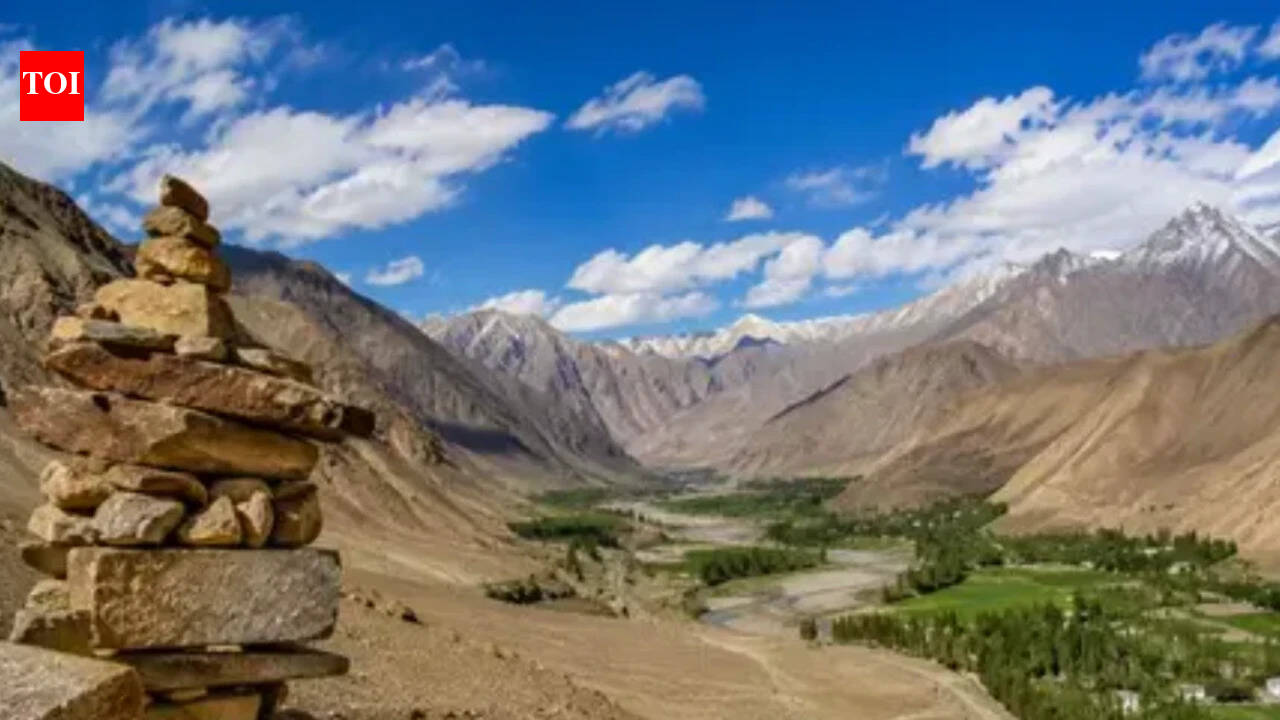
Ladakh will establish hill development councils in all seven districts to strengthen grassroots governance. This move aims to decentralize power and improve administrative reach across the vast territory. Currently, only Leh and Kargil districts have these autonomous district councils. Discussions are ongoing for a unique UT-level legislative body with broad powers. A draft framework for this new arrangement will be prepared soon.
Strengthening Grassroots Governance in Ladakh
In a significant move toward administrative reform, the Indian government has announced the creation of hill development councils for all seven districts in Ladakh. This initiative is designed to institutionalize 'democratic decentralisation,' ensuring that the power to make decisions regarding local development is shifted from centralized hubs to the grassroots level. By expanding the council system, the government aims to bridge the gap between the administration and the remote populations inhabiting one of the most geographically challenging terrains in the world.
Transitioning from Dual to Multi-District Governance
Historically, the governance of Ladakh was primarily centered around the autonomous district councils of Leh and Kargil. While these bodies provided a level of local autonomy, the vastness and demographic diversity of the region meant that many areas remained underserved or lacked a direct voice in policy formulation. The expansion to all seven districts marks a paradigm shift in how the Union Territory (UT) is managed. By establishing these councils, the government is acknowledging that the specific needs of different districts—ranging from infrastructure requirements to environmental conservation—cannot be addressed through a one-size-fits-all approach centered only in Leh and Kargil.
The Geopolitical and Strategic Imperative
Ladakh's strategic importance cannot be overstated, given its borders with both China and Pakistan. In such a sensitive region, ensuring the loyalty and satisfaction of the local population is a matter of national security. Democratic decentralization serves as a tool for stability; when local communities feel they have a stake in their own governance and a mechanism to voice their grievances, it reduces the likelihood of social unrest. These hill councils are likely to act as vital conduits for communication between the central government and the frontier villages, ensuring that development reaches the last mile.
Moving Toward a UT-Level Legislative Body
Beyond the district-level councils, the announcement highlights ongoing discussions regarding a unique UT-level legislative body. Since the reorganization of Jammu and Kashmir in 2019, there has been a persistent demand from the people of Ladakh for greater political representation and protections, often citing the need for Sixth Schedule status to protect their land and cultural identity. The proposed legislative body with 'broad powers' suggests that the government is seeking a middle ground—providing a structured political voice for the region without necessarily granting full statehood, thereby balancing local aspirations with administrative control.
Future Implications and the Draft Framework
The upcoming draft framework for this new arrangement will be the critical blueprint for Ladakh's future. The success of these hill councils will depend entirely on the actual powers delegated to them—specifically whether they will have financial autonomy or remain merely advisory bodies. If implemented with genuine authority, this move could serve as a model for other hilly or tribal regions in India. We can expect a period of intense negotiation as local leaders vie for influence within these new councils and push for the legislative body to have substantive law-making capabilities.
Conclusion
The expansion of hill councils across all seven districts of Ladakh represents a calculated effort to democratize governance in a strategically vital region. By moving beyond the Leh-Kargil binary and exploring a UT-level legislative structure, the government is attempting to address long-standing demands for autonomy and representation. While the structural announcement is positive, the ultimate impact will be determined by the transparency of the draft framework and the actual degree of power devolved to the local people.