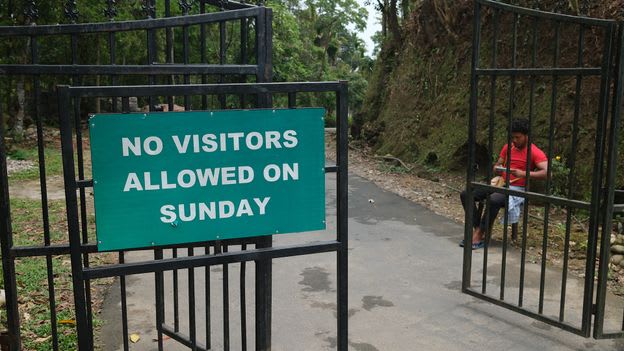
‘Asia's cleanest village’ bans tourists on Sundays
Source Entity
Hacker News
<a href="https://news.ycombinator.com/item?id=48899672">Comments</a>
The Cost of Perfection: Mawlynnong's Sunday Tourism Ban
Mawlynnong, a village nestled in the East Khasi Hills of Meghalaya, India, has long been celebrated as "Asia's cleanest village." This reputation, while bringing global recognition and significant economic growth, has created a paradoxical challenge: the very tourists who come to admire the village's pristine nature often threaten the sustainability of the local way of life. The recent decision to ban tourists on Sundays marks a critical pivot toward sustainable tourism management, prioritizing the well-being of the residents and the environmental integrity of the region over constant commercial accessibility.
Balancing Community and Commerce
The implementation of a Sunday ban is not merely a logistical change but a strategic move to prevent "tourism burnout." For the villagers of Mawlynnong, cleanliness is not a performance for guests but a deeply ingrained cultural value and a communal responsibility. By reclaiming one day a week, the community can focus on internal maintenance, cultural rituals, and essential rest without the pressure of hosting visitors. This move acknowledges that for a destination to remain truly "clean" and "authentic," the people maintaining that standard must have the space to breathe and recover without the gaze of external observers.
The Legacy of the "Cleanest Village"
To understand the weight of this decision, one must look at how Mawlynnong achieved its status. The village is world-renowned for its community-led waste management systems, where every resident participates in cleaning and the widespread use of organic bamboo dustbins. This organic, community-driven model is precisely what attracted the world's attention. However, as the volume of visitors increased, the local infrastructure began to feel the strain. The Sunday ban acts as a necessary safety valve, ensuring that the community's rigorous standards of hygiene and social order do not collapse under the weight of mass tourism.
The Threat of Overtourism
Overtourism is a global phenomenon, and Mawlynnong is now experiencing its local manifestation. When a niche, eco-sensitive destination becomes a "must-visit" spot on social media and travel blogs, the influx of people often leads to environmental degradation and a slow erosion of local identity. By limiting access, the village administration is proactively fighting the "Disneyfication" of their home. Instead of allowing the village to become a mere museum for tourists, they are asserting their right to a private, functional community life that exists independently of the tourism industry.
Broader Implications for Sustainable Travel
This move reflects a growing global trend toward "Regenerative Tourism," where the goal is not just to minimize harm but to actively improve and protect the destination. Other eco-sensitive zones in India and abroad are beginning to adopt similar restrictive measures—such as permits, quotas, or timed entries—to protect fragile ecosystems. Mawlynnong's approach serves as a vital case study for other small villages in Northeast India, demonstrating that economic gain from tourism should not come at the cost of social cohesion or environmental integrity.
Future Outlook and Predictions
Looking forward, it is likely that Mawlynnong will introduce further regulations, such as capping the total number of daily visitors or implementing a "green tax" to fund long-term conservation efforts. As modern travelers increasingly seek "slow travel" experiences that emphasize authenticity over checklists, these restrictions may actually enhance the village's appeal by adding an element of exclusivity and respect. The transition from a high-volume model to a high-value, low-impact model is the only viable path for Mawlynnong to maintain its title as Asia's cleanest village for future generations.
Summary: The Sunday ban in Mawlynnong is a bold statement in favor of sustainability over profitability, ensuring that the community's heritage and environment remain intact despite the pressures of global fame.