One Indian crew member killed, 6 injured after Iran strikes UAE tankers in Hormuz
Source Entity
TOI NEWS DESK
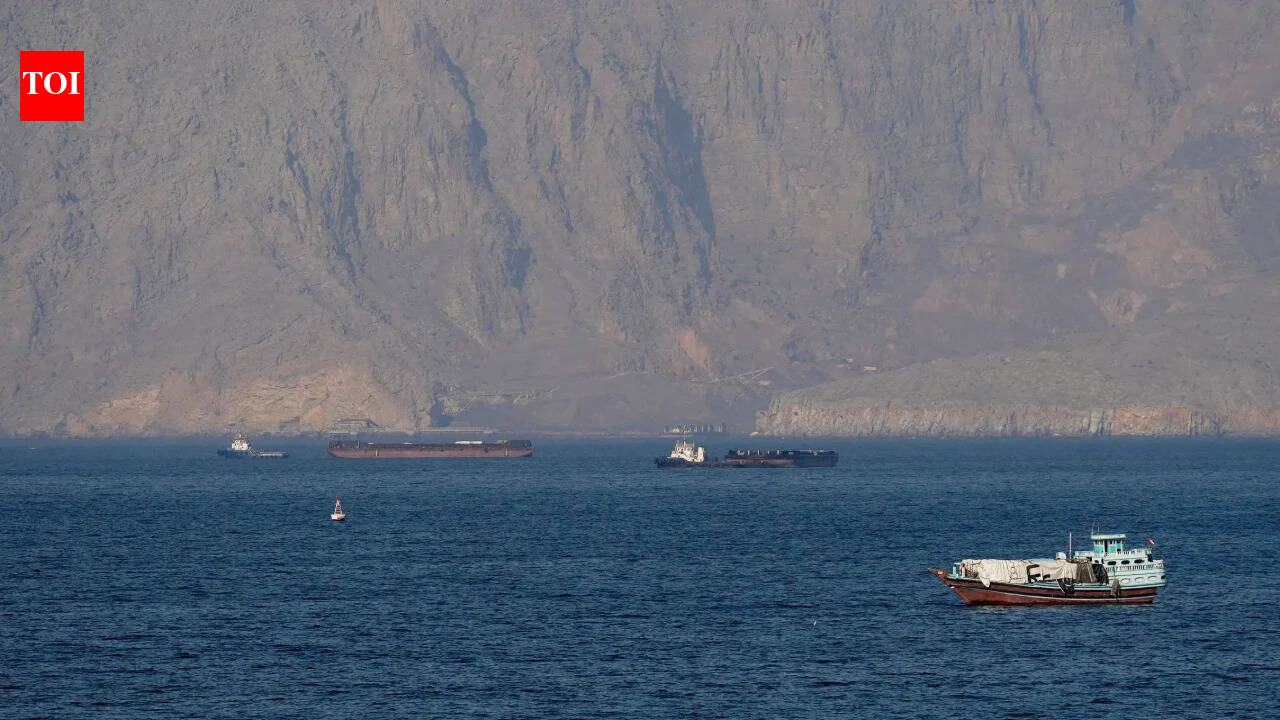
Two UAE-flagged tankers were struck by Iranian cruise missiles in Omani waters. One Indian crew member died and eight others sustained injuries in the attack. The UAE condemned the incident as a serious violation of international law. This escalation occurs amid rising military tensions in the Strait of Hormuz. The US Central Command also launched new strikes against Iran.
Escalation in the Strait of Hormuz: Analysis of Iranian Missile Strikes on UAE Tankers
The Immediate Crisis and Human Cost
The recent strike by Iranian cruise missiles on two UAE-flagged tankers in Omani waters represents a dangerous escalation in an already volatile region. The attack resulted in a tragic human toll, specifically claiming the life of one Indian crew member and leaving eight others injured. This incident highlights the extreme vulnerability of merchant mariners who often find themselves as collateral damage in geopolitical power struggles. The use of cruise missiles—precision-guided weapons—indicates a deliberate and calculated tactical choice by Iran to project power and disrupt maritime traffic, rather than a random skirmish or an accidental encounter.
Strategic Significance of the Strait of Hormuz
To understand the gravity of this event, one must look at the geography of the Strait of Hormuz. As one of the world's most critical maritime chokepoints, the Strait is the primary artery for the global export of oil and liquefied natural gas (LNG). By targeting UAE-flagged vessels in Omani waters, Iran is effectively signaling its ability to weaponize this transit corridor. The UAE's condemnation of the act as a "serious violation of international law" is not merely diplomatic rhetoric; it is a call for international intervention to protect the freedom of navigation, which is the bedrock of global trade. Any prolonged instability in these waters threatens to spike global energy prices and disrupt supply chains worldwide.
The Geopolitical Triangle: Iran, UAE, and the United States
This event is not an isolated incident but part of a broader cycle of aggression and retaliation. The immediate response from the US Central Command, which launched new strikes against Iranian targets, underscores the symbiotic security relationship between the US and Gulf monarchies like the UAE. The US strategy of "integrated deterrence" is being tested here; while the US aims to prevent Iranian hegemony in the region, the retaliatory strikes risk creating a feedback loop of escalation. The UAE, positioned as a global logistics hub, cannot afford a state of perpetual war, yet it remains tethered to US security guarantees to ward off Iranian cruise missile capabilities.
Historical Context of Asymmetrical Warfare
Historically, Iran has frequently employed asymmetrical tactics in the Persian Gulf to exert pressure on its rivals without triggering a full-scale conventional war. From the "Tanker War" of the 1980s to more recent seizures of vessels and drone attacks, Tehran has used maritime harassment as a tool of diplomacy and coercion. The transition to using cruise missiles against tankers marks a shift toward more lethal and sophisticated weaponry. This trend suggests that Iran is becoming more confident in its domestic missile program and is more willing to risk direct confrontation with UAE and US assets to achieve its strategic goals in the region.
Implications for India and Global Maritime Labor
The death of an Indian crew member brings a complex diplomatic layer to the crisis. India maintains a delicate balancing act, preserving strong economic and strategic ties with both Iran and the UAE. The loss of life forces New Delhi to navigate the tension between protecting its citizens abroad and avoiding being dragged into a regional military conflict. This incident underscores the systemic risks faced by the global maritime workforce, where sailors from developing nations often bear the brunt of conflicts between superpowers and regional hegemons.
Future Outlook and Potential Trends
Looking forward, the situation in the Strait of Hormuz is likely to remain precarious. We can expect an increase in naval patrols and the potential formation of new international maritime coalitions to escort commercial tankers. If the cycle of Iranian strikes and US retaliations continues, there is a high probability of a miscalculation leading to a wider regional war. Furthermore, this event may accelerate the efforts of Gulf nations to develop alternative export routes that bypass the Strait of Hormuz entirely, such as pipelines across the peninsula, to mitigate the risk of Iranian blockade or attack.
Conclusion
The attack on UAE tankers is a stark reminder of the fragile security architecture in the Middle East. The intersection of human tragedy, international law violations, and superpower military responses creates a volatile environment. As the world watches the Strait of Hormuz, the resolution of this crisis will depend on whether diplomatic channels can prevail over the current trend of kinetic retaliation.