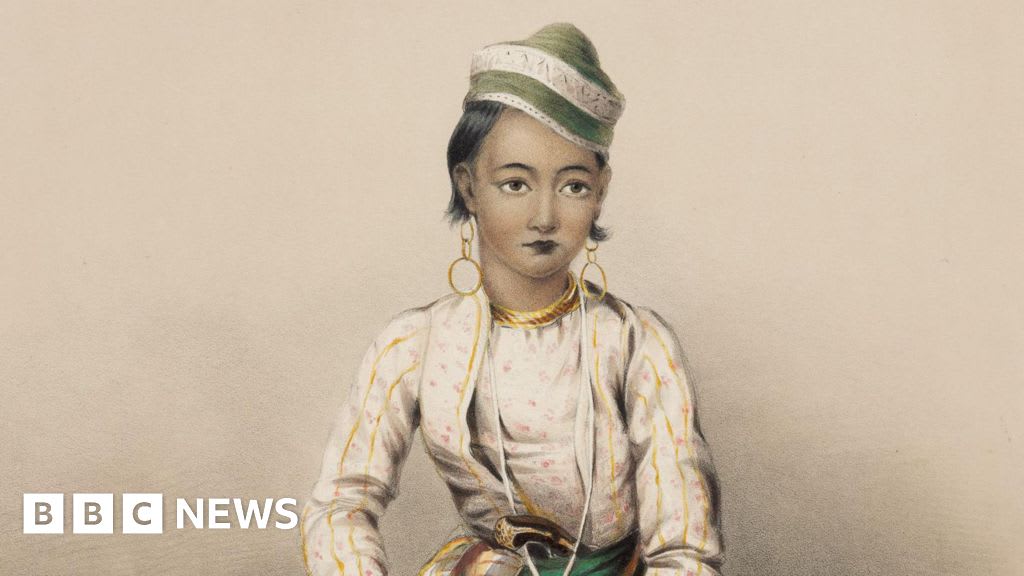
An Englishwoman who sketched India before photography took hold
Source Entity
Hacker News
<a href="https://news.ycombinator.com/item?id=48900191">Comments</a>
The Intersection of Art and Documentation in Pre-Photography India
The provided headline refers to an Englishwoman who captured the landscapes and culture of India through sketching before the widespread adoption of photography. This practice was a primary method of visual documentation for Europeans traveling to the Indian subcontinent during the colonial era, serving as a vital bridge between direct observation and the dissemination of information back to Europe.
The Role of Sketching as Documentation
Before the camera became a portable and accessible tool, sketching was the only means of providing a visual record of foreign lands. Artists of this period focused on architectural details, flora, fauna, and the daily lives of the local population. These works often blended a desire for scientific accuracy with the romanticized artistic sensibilities of the time, creating a unique visual archive of the region.
Transition to Photography
The eventual transition from sketching to photography fundamentally changed how India was perceived by the West. While sketches were inherently subjective and interpretive—filtered through the eye and hand of the artist—early photography was often marketed as an objective 'truth.' This shift altered the nature of travelogue and ethnographic recording, moving from the interpretive line to the chemical capture of light.
Historical and Cultural Significance
Such artworks are now invaluable historical records. They provide insight into the 'colonial gaze' and offer a glimpse into specific environments and social structures as they existed before the massive industrial and social shifts of the late 19th and early 20th centuries. The preservation of these sketches allows historians to compare hand-drawn interpretations with later photographic evidence to understand how perceptions of India evolved.
Conclusion
The work of this Englishwoman exemplifies the era of the artist-explorer. By documenting India through sketches, she contributed to a visual history that predates the digital and photographic age, highlighting a time when the human hand was the sole instrument for recording the visual complexities of the world.