'20% is too much, we will be fair': Iran mocks Trump's Hormuz transit fees
Source Entity
TOI WORLD DESK
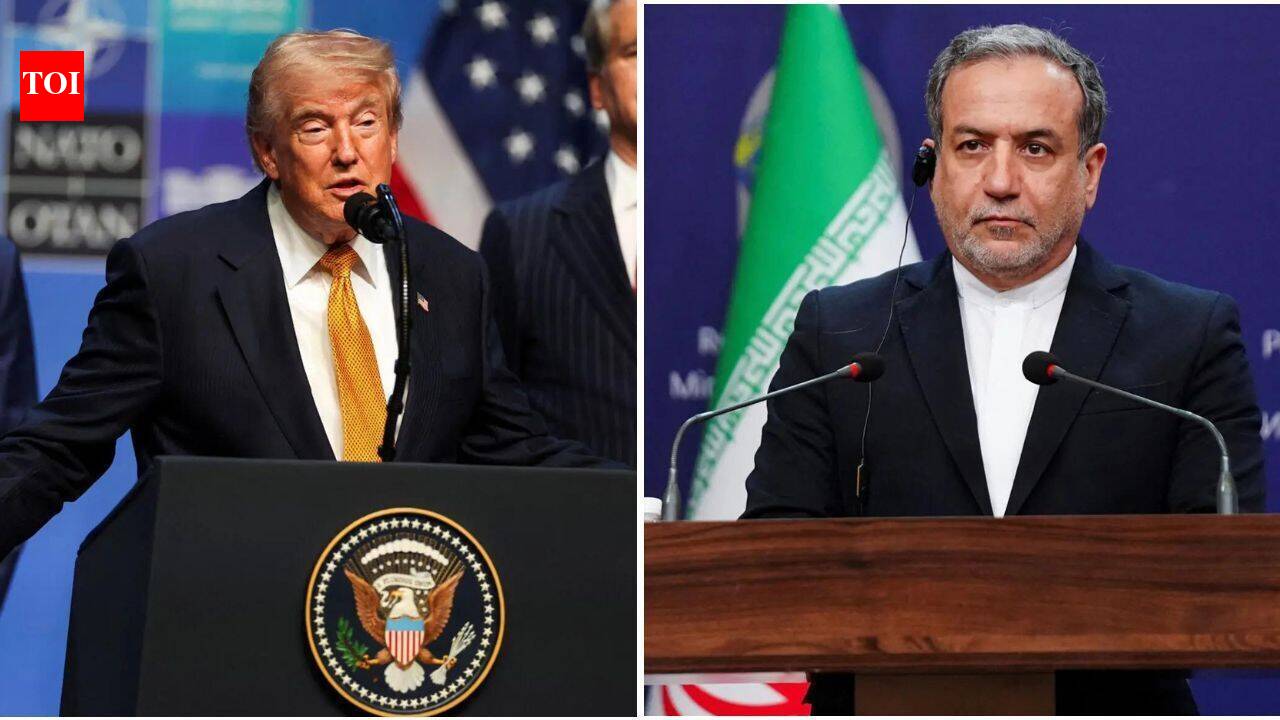
Iran mocks Trump's 'guardian of Hormuz' claim (ANI images) Trump announces 'Guardian of the Hormuz Strait' plan Iranian foreign minister Seyed Abbas Araghchi on Monday mocked US President Donald Tru...
Geopolitical Friction: The Battle for the Hormuz Strait
The recent announcement by US President Donald Trump regarding the 'Guardian of the Hormuz Strait' plan has ignited a fresh diplomatic firestorm between Washington and Tehran. By proposing a system where the United States acts as a paid security guarantor for one of the world's most critical maritime chokepoints, Trump is shifting the paradigm of US naval presence from a strategic global deterrent to a transactional service. This move has been met with immediate and sharp sarcasm from the Iranian leadership, signaling a return to the high-tension rhetoric that has characterized US-Iran relations for decades.
The 'Guardian' Proposal and Iran's Sarcastic Rebuttal
At the heart of the controversy is Trump's claim that the US should be the 'Guardian' of the Strait, potentially charging fees for transit security. Iranian Foreign Minister Seyed Abbas Araghchi's response—claiming that a 20% fee is 'too much' and suggesting Iran would be 'fairer'—is a calculated piece of diplomatic theater. By mocking the specific percentage, Araghchi is not merely dismissing the plan but is asserting that Iran, as the coastal state with direct territorial influence over the Strait, holds the actual keys to the passage. This response aims to frame the US proposal as an absurd attempt at 'extortion' rather than a legitimate security measure.
Strategic Importance of the Strait of Hormuz
To understand the gravity of this exchange, one must look at the geography of the Strait of Hormuz. This narrow waterway is the primary artery for the global oil trade, with approximately one-fifth of the world's total oil consumption passing through it daily. Historically, any threat to the free flow of traffic in Hormuz has led to immediate spikes in global Brent crude prices. Iran has frequently used its ability to disrupt this flow as a primary lever of power against international sanctions, making Trump's proposal to monetize the security of this route an incredibly volatile gambit.
Economic Implications of Transit Fees
If a 'Guardian' fee were actually implemented, the economic ripple effects would be staggering. A 20% transit fee, as mentioned in the discourse, would effectively act as a massive tax on global energy. This would likely result in higher fuel costs for consumers worldwide, fueling inflation and destabilizing energy markets. The international community, particularly Asian economies like China and India that rely heavily on Middle Eastern oil, would likely view such a move as a violation of the United Nations Convention on the Law of the Sea (UNCLOS), which guarantees transit passage through international straits.
Historical Context and the 'Maximum Pressure' Legacy
This clash is a continuation of the 'Maximum Pressure' campaign initiated during Trump's first term, characterized by severe economic sanctions and a hardline stance against Tehran. The 'Guardian' plan represents a fusion of Trump's business-centric approach to governance and his foreign policy goals. By attempting to turn security into a revenue stream, he is applying a corporate logic to geopolitics. Iran, conversely, continues to utilize a strategy of 'strategic patience' mixed with provocative rhetoric to maintain its domestic image as a bulwark against Western imperialism.
Future Outlook: Escalation or Negotiation?
Looking forward, this exchange suggests a period of heightened instability in the Persian Gulf. While the current rhetoric may seem like mere posturing, it sets the stage for potential naval confrontations. If the US attempts to enforce any form of 'toll' or restrictive security regime, Iran is likely to respond with asymmetrical tactics, such as the seizure of tankers or mine-laying operations. The ultimate outcome will depend on whether this proposal is a genuine policy shift or a bargaining chip intended to force Iran back to the negotiating table regarding nuclear proliferation and regional influence.