US-Iran War News Live Updates: US resumes strikes while UAE says Iran hit tankers with missiles in Strait of Hormuz
Source Entity
The Indian Express
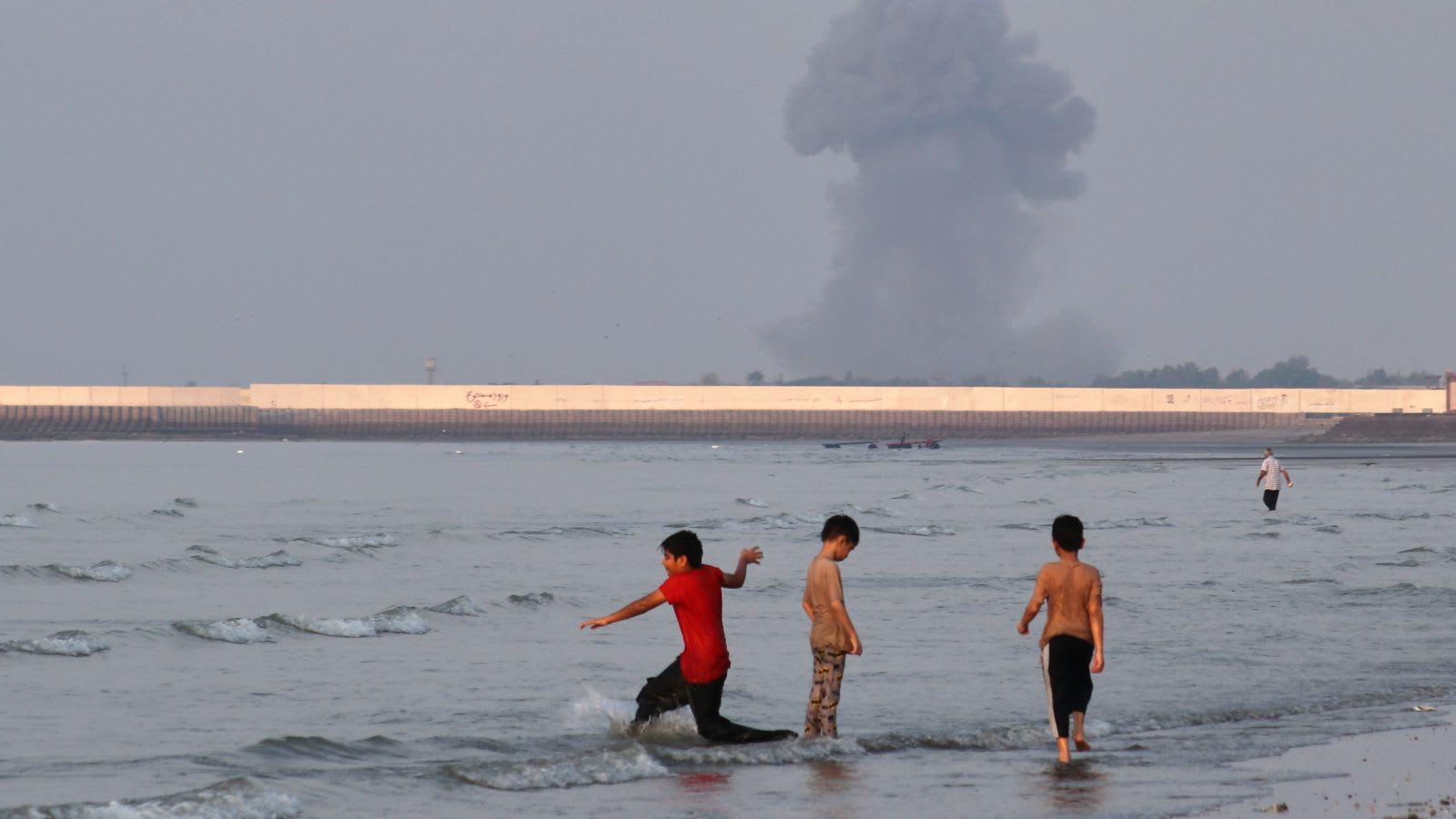
Three boys play in the shallow waters of the Strait of Hormuz, as a plume of smoke rises from an explosion in the background, off Bandar Abbas, Iran. (Photo: AP) The US launched a third straight nigh...
Escalation in the Persian Gulf: US-Iran Hostilities Reach Critical Peak
The geopolitical landscape of the Middle East has shifted into a high-alert phase as the United States resumes a campaign of targeted strikes against Iranian interests. This latest surge in military activity, marking the third consecutive night of operations, suggests a strategic shift from containment to active deterrence. The situation is further complicated by reports from the United Arab Emirates (UAE), which indicate that Iran has responded by deploying missiles against commercial tankers within the Strait of Hormuz. This convergence of aerial strikes and maritime aggression signals a dangerous escalation that threatens not only regional stability but also the fluidity of global energy markets.
The Strategic Choke Point: The Strait of Hormuz
The focus on the Strait of Hormuz is not coincidental; it is one of the most critical maritime corridors in the world. As the primary artery for the export of oil from the Persian Gulf to global markets, any disruption in this narrow passage has immediate repercussions for global crude prices. By targeting tankers, Iran is utilizing a known strategic lever to exert pressure on the international community and the US. The reports of missile strikes on vessels near Bandar Abbas underscore a tactical attempt to weaponize global energy dependence, effectively turning the shipping lanes into a frontline of the conflict.
Analysis of the US Military Strategy
The US decision to conduct strikes for three consecutive nights indicates a concerted effort to degrade Iranian capabilities or signal a low tolerance for regional provocations. Historically, US engagement in this region has fluctuated between diplomatic negotiation and 'maximum pressure' campaigns. The current trajectory suggests a return to a more aggressive posture, likely aimed at disrupting the infrastructure used to launch the very missiles now threatening tankers. However, the persistence of these strikes creates a volatile feedback loop: each US strike provides a catalyst for further Iranian retaliation, increasing the risk of an uncontrolled spiral into full-scale war.
The UAE's Role and Regional Alignment
The involvement of the UAE in reporting these attacks highlights the deep alignment between Gulf monarchies and US security interests. For the UAE, the security of the Strait of Hormuz is an existential economic necessity. Their prompt reporting of missile strikes on tankers serves as a diplomatic signal to the world that the threat is not merely a bilateral dispute between Washington and Tehran, but a systemic threat to the stability of the entire Gulf region. This collective security approach reinforces the US presence in the region, providing the political justification for continued military operations.
Broader Geopolitical and Economic Implications
Beyond the immediate military clashes, the broader implications of this conflict are staggering. A prolonged disruption in the Strait of Hormuz could trigger a global energy crisis, leading to spikes in inflation and economic instability across Asia and Europe. Furthermore, this escalation tests the resolve of international alliances and the effectiveness of maritime security coalitions. The world is watching to see if the US can achieve its strategic objectives without triggering a regional conflagration that could draw in other Middle Eastern powers, potentially reshaping the political map of the region for decades.
Conclusion
The current state of affairs between the US and Iran is precarious. With the US maintaining its strike tempo and Iran targeting the lifeblood of the global economy through tanker attacks, the window for diplomatic de-escalation is closing. The situation remains fluid, with the potential for further maritime incidents to serve as the tipping point for a wider conflict. The international community now faces the urgent challenge of balancing the need for security and deterrence with the imperative of preventing a total collapse of regional peace.