India news Live Updates, 14 July 2026: Indian-origin crew member killed as Iranian missiles hit UAE tankers in Hormuz, Wangchuk on day 16 of hunger strike, India-US trade deal framework agreed
Source Entity
The Indian Express
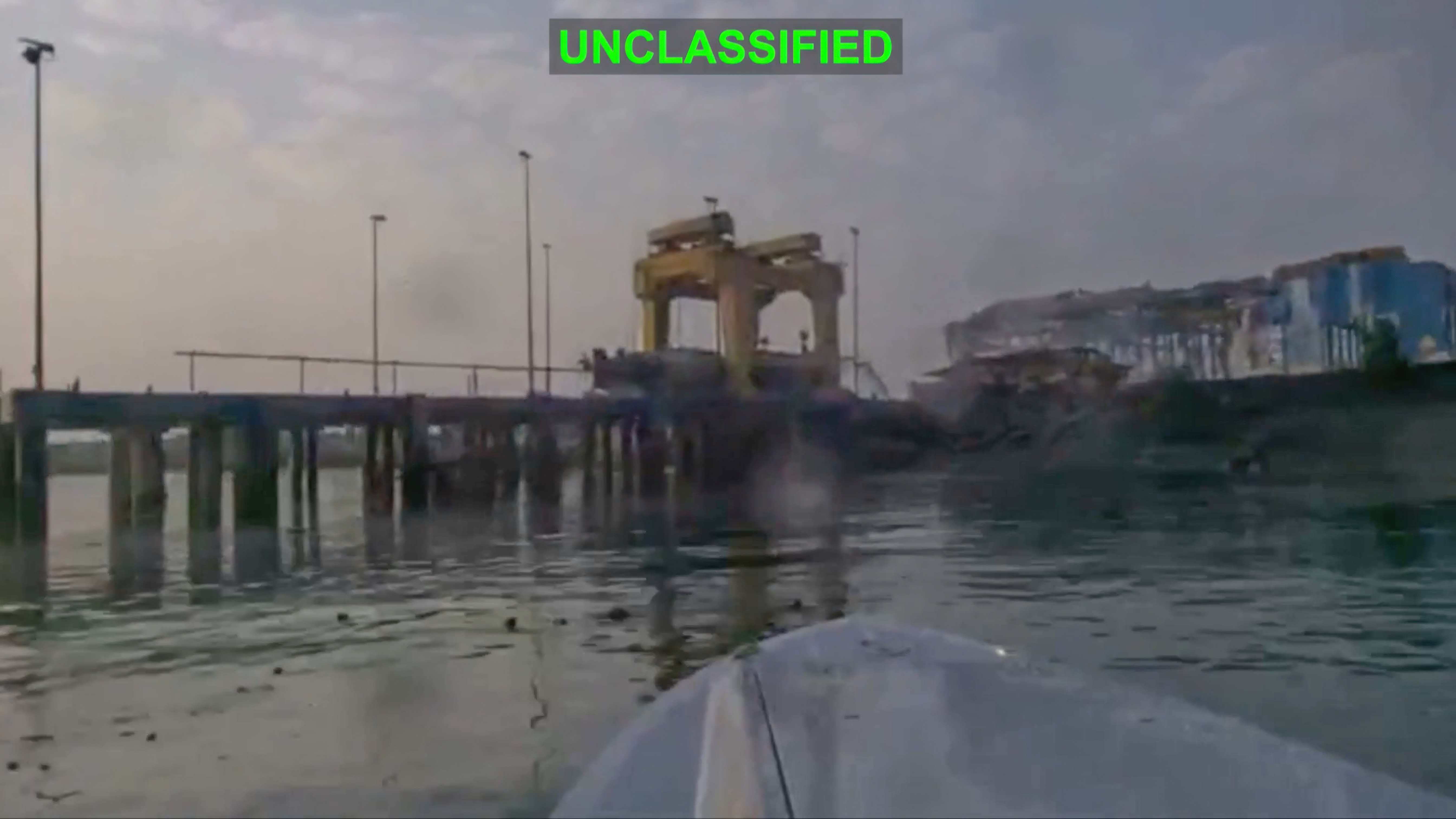
This image from video released by U.S. Central Command, shows a view from a Corsair unmanned surface vessel, also called one-way attack surface drone, fired by U.S. military, closing in on Bandar Abba...
Geopolitical Volatility and Strategic Realignment: July 14, 2026
The events of July 14, 2026, present a complex tapestry of maritime conflict, strategic diplomacy, and domestic unrest. The day is characterized by a sharp contrast between the violent escalation in the Persian Gulf and the constructive diplomatic progress between New Delhi and Washington. This convergence of events highlights the precarious position of India as it navigates a world of increasing regional instability while attempting to solidify its economic and strategic ties with global superpowers.
The Hormuz Crisis and Human Cost
The attack by Iranian missiles on UAE tankers in the Strait of Hormuz represents a severe escalation in one of the world's most critical energy chokepoints. The reported death of an Indian-origin crew member underscores the vulnerability of the global merchant marine workforce, particularly those from South Asia who form the backbone of international shipping. Historically, the Strait of Hormuz has been a flashpoint for geopolitical tension; however, direct missile strikes on commercial tankers signal a shift from harassment to active kinetic warfare, threatening global oil supplies and increasing insurance premiums for maritime trade.
U.S. Military Response and the Role of Unmanned Systems
In immediate response to the maritime aggression, the U.S. Central Command has deployed 'Corsair' unmanned surface vessels (USVs). The footage showing these one-way attack drones closing in on Bandar Abbas indicates a shift toward autonomous warfare. By targeting critical Iranian naval infrastructure, the U.S. is utilizing a 'deniable' yet high-impact strategy to deter further missile launches. This deployment of asymmetric technology suggests that the conflict has evolved beyond traditional naval patrols into a sophisticated drone-led engagement, placing Bandar Abbas—a strategic Iranian port—directly in the crosshairs.
The India-US Trade Framework: A Strategic Hedge
Amidst the chaos in the Middle East, the announcement of a trade deal framework between India and the United States serves as a critical strategic counterbalance. By strengthening economic ties, both nations are likely seeking to build a more resilient supply chain that reduces dependence on volatile regions. This framework is not merely a commercial agreement but a geopolitical signal; as the U.S. engages in military operations against Iran, the trade deal anchors India more firmly within the U.S. orbit, potentially offering India greater security guarantees in exchange for economic alignment.
Domestic Strain: The Persistence of Sonam Wangchuk
While the government focuses on international crises and trade, the internal situation remains tense with activist Sonam Wangchuk entering the 16th day of his hunger strike. This protest, likely centered on environmental protections or regional autonomy in the high-altitude borders, represents a persistent internal challenge to the Indian administration. The longevity of the strike suggests a deep-seated grievance that remains unresolved, highlighting the tension between the state's overarching national security goals and the localized demands for democratic and ecological preservation.
Synthesis and Future Outlook
The intersection of these events suggests a future where India must balance its role as a global economic player with its need to protect its citizens abroad and maintain internal stability. The instability in the Strait of Hormuz will likely drive India to accelerate its energy diversification, while the U.S. trade framework provides the economic cushioning necessary to withstand oil price shocks. However, the combination of foreign casualties and domestic protests could create a volatile political environment if not managed with precision.
Summary
In conclusion, July 14, 2026, marks a day of extreme duality. The kinetic conflict in the Persian Gulf, evidenced by the loss of an Indian life and the deployment of U.S. attack drones, clashes with the diplomatic success of the India-US trade framework. Meanwhile, the enduring hunger strike of Sonam Wangchuk serves as a reminder that internal socio-political stability remains as critical as external strategic maneuvering.