Can biogas aid India’s energy security?
Source Entity
India Latest News: Top National Headlines Today & Breaking News | The Hindu
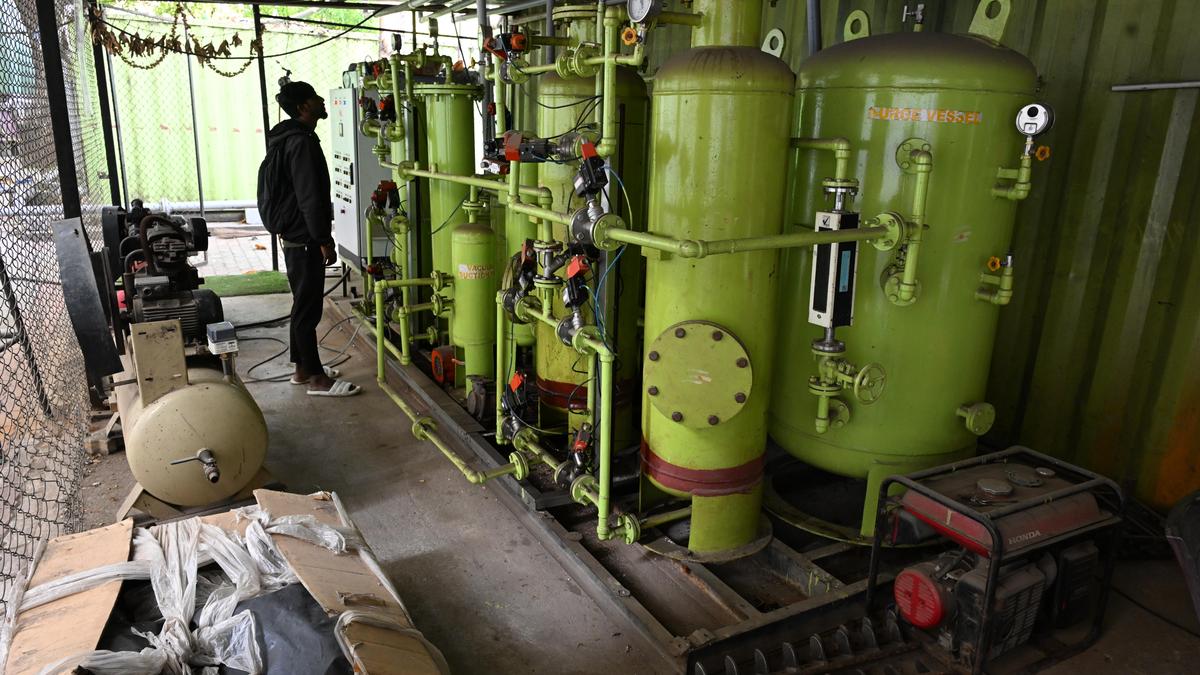
India, which imports nearly 85% of its crude oil needs, remains vulnerable to global energy shocks. Over the years, it has pushed several initiatives to promote compressed biogas. Despite these efforts, progress has been limited; government support and incentives could provide a boost to the sector
The Quest for Energy Independence: Analyzing India's Biogas Potential
India currently finds itself in a precarious position regarding its energy security, importing nearly 85% of its crude oil requirements. This extreme dependency exposes the national economy to the volatile swings of global oil markets and geopolitical instabilities in oil-producing regions. The discourse surrounding the adoption of compressed biogas (CBG) is not merely an environmental concern but a critical strategic imperative to insulate the domestic economy from external energy shocks and reduce the massive current account deficit caused by fuel imports.
The Strategic Imperative of Reducing Oil Imports
The fact that India imports the vast majority of its crude oil creates a systemic vulnerability. When global prices spike due to conflicts or supply chain disruptions, the resulting inflationary pressure affects every sector of the Indian economy, from logistics and agriculture to consumer goods. By integrating compressed biogas into the national energy mix, India can create a decentralized fuel source. Unlike crude oil, which must be shipped across oceans, biogas can be produced locally using agricultural residue and organic waste, effectively turning a waste management challenge into an energy asset.
Understanding the Role of Compressed Biogas (CBG)
Compressed Biogas is a purified form of biogas that is chemically similar to Compressed Natural Gas (CNG). Its primary advantage lies in its ability to be injected into existing gas grids or used as a transport fuel without requiring massive overhauls of existing vehicle infrastructure. By leveraging India's massive agrarian base, the production of CBG can provide a dual benefit: it reduces the methane emissions from decomposing organic waste and provides a sustainable alternative to fossil fuels. This circular economy model is essential for achieving long-term energy sustainability.
Identifying the Barriers to Progress
Despite the clear theoretical benefits and several government-led initiatives, the actual progress in the CBG sector has been limited. One of the primary bottlenecks is the complexity of the feedstock supply chain. Collecting, transporting, and processing vast quantities of organic waste requires a sophisticated logistics network that is currently underdeveloped. Additionally, the high initial capital expenditure for biogas plants and the technical challenges of purifying biogas to meet commercial standards have deterred private investors, leaving the sector reliant on a few pilot projects rather than industrial-scale adoption.
The Necessity of Government Intervention and Incentives
To move from limited progress to widespread adoption, the sector requires a robust framework of government support. This includes not only direct subsidies for plant construction but also guaranteed off-take agreements to ensure a stable revenue stream for producers. Incentives such as viability gap funding (VGF) and tax breaks could lower the entry barrier for entrepreneurs. Furthermore, integrating CBG targets into broader national missions—such as the goal of achieving net-zero emissions—would provide the policy certainty needed to attract large-scale private equity and foreign investment.
Future Outlook and Conclusion
Looking ahead, the success of the biogas sector will likely depend on the synergy between rural waste management and urban energy needs. If India can successfully scale its CBG production, it will not only enhance its energy security but also empower rural communities by creating new income streams from agricultural waste. In summary, while the current progress is slow, the transition toward compressed biogas represents a viable pathway for India to break its shackles of oil dependency, provided the government implements aggressive and targeted incentives to catalyze the industry.
Verification Required?