NIA court issues non-bailable warrant against LeT founder Hafiz Saeed
Source Entity
India Latest News: Top National Headlines Today & Breaking News | The Hindu
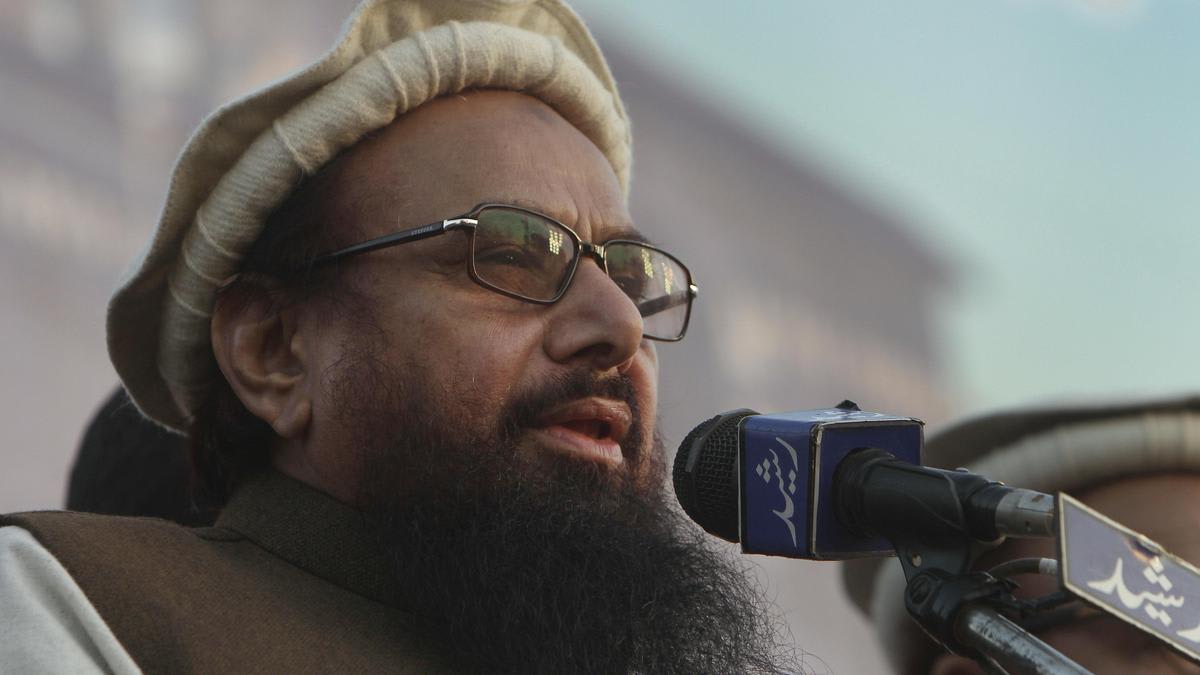
Saeed, designated a global terrorist by India and the United States, is also considered the mastermind of the 2008 Mumbai terror attacks
Legal Escalation in the Pursuit of Justice for 26/11
The issuance of a non-bailable warrant (NBW) by the National Investigation Agency (NIA) court against Hafiz Saeed marks a critical legal milestone in India's long-standing effort to hold the architects of the 2008 Mumbai terror attacks accountable. By formally issuing this warrant, the Indian judiciary is reinforcing its stance that the passage of time does not diminish the legal culpability of those who orchestrate mass-casualty terrorism. This move is not merely a procedural step but a strategic assertion of legal jurisdiction over a man who remains one of the world's most wanted terrorists.
The Architect of Terror: Hafiz Saeed and LeT
To understand the gravity of this warrant, one must look back at the role of Hafiz Saeed and his organization, Lashkar-e-Taiba (LeT). Saeed is widely recognized as the primary mastermind behind the November 26, 2008, attacks in Mumbai, where ten terrorists launched coordinated strikes on the Taj Mahal Palace Hotel, the Oberoi Trident, and the Chhatrapati Shivaji Terminus, among other locations. The attacks resulted in 166 deaths and left an indelible scar on the Indian psyche. Saeed's leadership of LeT has been characterized by the systematic training and deployment of militants to destabilize the region, making his legal apprehension a priority for national security.
The Mandate of the National Investigation Agency (NIA)
The NIA, established in the wake of the 26/11 attacks, serves as India's premier agency for combating terror and investigating crimes affecting national security. The court's decision to issue an NBW reflects the NIA's ongoing commitment to building a watertight legal case against Saeed. Unlike a bailable warrant, an NBW mandates that the accused be arrested and produced before the court without the option of immediate release on bail. This elevates the legal pressure on the fugitive and provides a formal basis for India to seek international cooperation in his apprehension.
Global Designations and Diplomatic Pressure
This judicial action aligns with the broader international consensus on Saeed's criminality. Both the United States and India have designated him as a global terrorist, and he has been sanctioned by the United Nations Security Council. These designations freeze his assets and restrict his travel, effectively isolating him. The NIA court's warrant complements these diplomatic and financial sanctions by adding a specific criminal judicial demand, which can be leveraged in international forums such as Interpol to issue Red Corner Notices, further restricting his movement and legitimacy.
The Challenge of Extradition and Sovereignty
Despite the legal clarity provided by the NBW, the practical execution of the warrant remains fraught with geopolitical challenges. Hafiz Saeed resides in Pakistan, and the lack of a robust extradition treaty or current diplomatic cooperation between New Delhi and Islamabad makes the physical arrest of Saeed highly unlikely in the short term. However, the warrant serves a dual purpose: it preserves the legal record for future prosecution and maintains constant pressure on the Pakistani state to act against terror infrastructure operating within its borders.
Future Implications and Legal Precedents
Looking forward, this move signals that India will continue to utilize every available legal instrument to pursue justice, regardless of the diplomatic climate. This creates a precedent for other high-value targets involved in cross-border terrorism. By keeping the legal process active, India ensures that the 2008 attacks remain a live issue on the global diplomatic stage, preventing the international community from normalizing the presence of designated terrorists in sovereign territories.
Conclusion
In summary, the NIA court's issuance of a non-bailable warrant against Hafiz Saeed is a powerful symbolic and legal act. While the physical apprehension of the LeT founder remains dependent on complex international relations, the warrant ensures that the legal pursuit of the 26/11 mastermind remains relentless. It reaffirms India's commitment to the rule of law and its refusal to grant impunity to those who orchestrate acts of global terrorism.
Verification Required?