Maharashtra rainfall deficit continues; El Niño impact cited
Source Entity
India Latest News: Top National Headlines Today & Breaking News | The Hindu
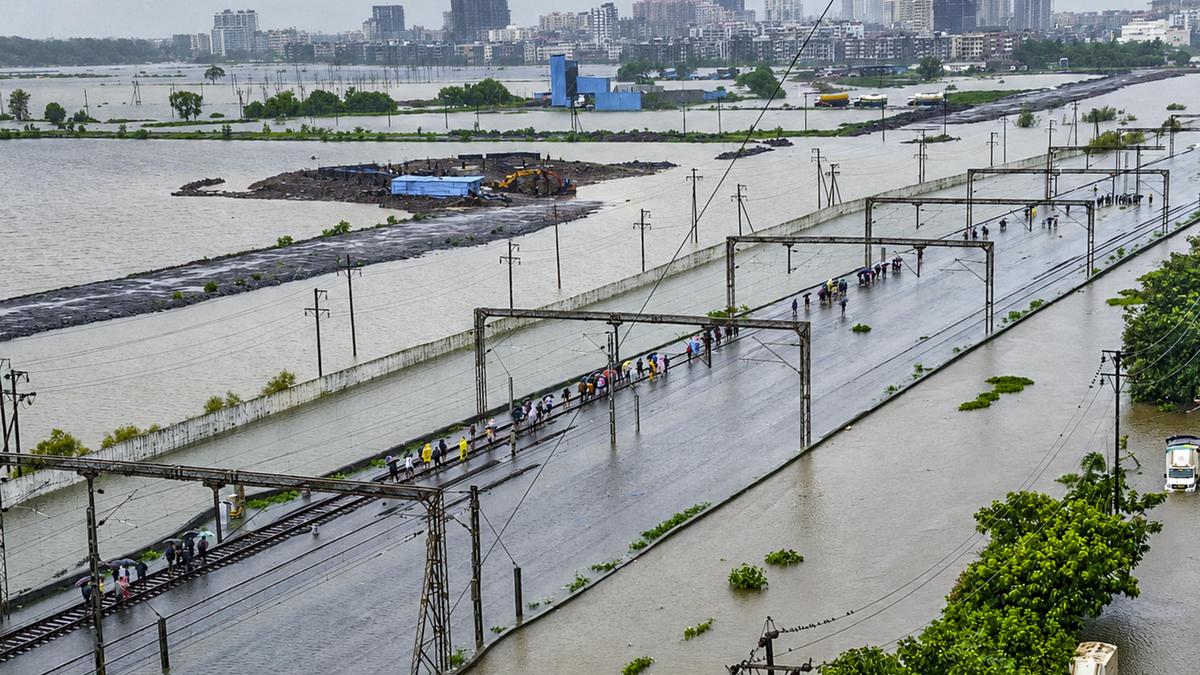
Forecasts for the coming week indicate that only light to moderate rain may occur in isolated pockets, with no weather warnings issued for July 13 or July 14
Analysis of Rainfall Deficit in Maharashtra and the El Niño Influence
Maharashtra is currently grappling with a significant rainfall deficit that threatens the stability of its agricultural cycle and water security. Recent reports indicate that the monsoon progress has been uneven, leaving several districts below their average precipitation levels for this time of the year. The immediate forecast for the coming week suggests a continuation of this trend, with only light to moderate rain expected in isolated pockets. Notably, the absence of weather warnings for July 13 and 14 suggests a period of relative stability, but one that lacks the heavy precipitation required to bridge the existing moisture gap.
The Role of El Niño in Monsoon Suppression
The attribution of this deficit to El Niño is a critical meteorological detail. El Niño, characterized by the abnormal warming of surface waters in the eastern tropical Pacific Ocean, typically has a suppressive effect on the Indian Summer Monsoon (ISM). By altering global atmospheric circulation patterns, El Niño often leads to a weaker monsoon current and a higher frequency of "dry spells" across the Indian subcontinent. In Maharashtra, this manifests as a lack of consistent rainfall, where moisture-laden winds from the Arabian Sea are either diverted or weakened, preventing the widespread precipitation necessary for a healthy monsoon season.
Implications for the Agrarian Economy
The continued deficit poses a severe risk to the state's agrarian economy, particularly for Kharif crops such as soybean and cotton, which are heavily dependent on timely monsoon rains. When rainfall is restricted to "isolated pockets," large tracts of farmland remain dry, leading to stunted crop growth or total crop failure in rain-fed areas. This volatility not only affects the immediate income of farmers but also triggers a ripple effect throughout the supply chain, potentially increasing food prices and impacting the state's overall GDP, given the central role of agriculture in rural Maharashtra.
Water Security and Reservoir Management
Beyond the fields, the rainfall deficit places immense pressure on Maharashtra's water management infrastructure. The state relies heavily on its network of reservoirs to sustain urban centers and irrigation during the non-monsoon months. A deficit in July—a peak monsoon month—means that reservoir levels may not reach their full capacity. This creates a precarious situation for the coming winter and summer, as water rationing in cities like Mumbai and Pune may become necessary if the deficit is not compensated for in the latter half of the season.
Analyzing the Short-Term Forecast
The forecast indicating only "light to moderate rain" for the coming week, with no warnings for July 13-14, underscores a period of meteorological stagnation. While the lack of severe warnings prevents immediate disaster (such as flash floods), it confirms that there is no imminent "recovery rain" to alleviate the drought-like conditions in deficit areas. The term "isolated pockets" is particularly concerning, as it implies that while some areas may receive moisture, the vast majority of the state will continue to see dry conditions, further widening the regional disparity in water availability.
Conclusion and Future Outlook
In summary, the current weather pattern in Maharashtra is a textbook example of how global climatic phenomena like El Niño can disrupt local ecological and economic systems. The state now finds itself in a vulnerable position where the success of the current agricultural year depends on whether subsequent weather patterns can override the suppressive effects of El Niño. Moving forward, there will likely be an increased need for state-led interventions, such as promoting drought-resistant crop varieties and optimizing micro-irrigation, to build resilience against the increasing unpredictability of the monsoon.
Verification Required?