No more Chemburs: How can Indian cities ensure their trees do not ‘turn against’ their people
Source Entity
India Latest News: Top National Headlines Today & Breaking News | The Hindu
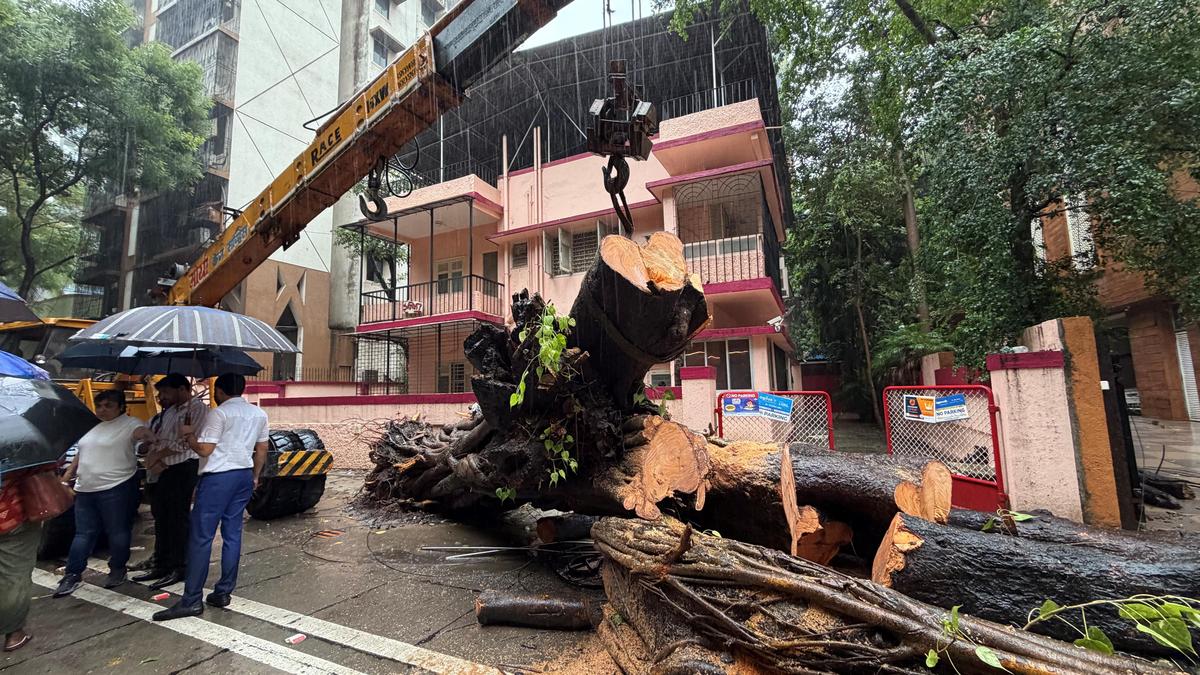
Even as the verdict of the inquiry committee in Chembur tree fall incident comes in, a stroll through three other Indian metros, Chennai, Bengaluru and Delhi, to find out if they are proactive enough with their trees to prevent a Chembur on their soil
Urban Forestry and Public Safety: Lessons from the Chembur Tree-Fall
The recent tree-fall incident in Chembur has sparked a critical conversation regarding the safety of urban green cover in India's rapidly expanding metropolises. While trees are essential for mitigating the urban heat island effect and improving air quality, the Chembur event underscores a dangerous paradox: when urban forestry is neglected, the very elements meant to protect the environment can become hazards to the citizens they serve. The pending verdict from the inquiry committee is expected to highlight systemic failures in maintenance and risk assessment, serving as a wake-up call for municipal bodies across the country.
The systemic failure of Urban Tree Management
The Chembur incident is not an isolated accident but a symptom of a larger failure in how Indian cities manage their botanical assets. In many metros, tree management is largely reactive—authorities typically intervene only after a tree has fallen or during the peak of the monsoon season. This approach ignores the biological reality of tree health. Factors such as root decay, fungal infections, and structural instability often develop over years. Without a scientific audit or a periodic 'health check' for urban trees, the risk of sudden collapse increases, especially for older, towering species that have grown in confined urban spaces.
Comparative Risks in Delhi, Bengaluru, and Chennai
A look at other major metros like Delhi, Bengaluru, and Chennai reveals similar vulnerabilities. In Delhi, the dense canopy is often compromised by heavy pollution and erratic pruning practices. Bengaluru, once known as the 'Garden City,' has seen its green cover fragmented by aggressive infrastructure projects, leading to soil compaction that weakens root systems. Chennai, frequently battered by cyclones, faces the constant threat of wind-throw. In all three cities, the lack of a comprehensive, digitally mapped tree census means that municipal authorities often lack the data to identify which specific trees are high-risk, making the 'Chembur scenario' a looming possibility in any of these urban centers.
The Conflict Between Concretization and Ecology
Historically, the drive toward 'smart cities' has led to extensive concretization of footpaths and roads. This creates a suffocating environment for tree roots, preventing the absorption of water and nutrients and restricting the natural expansion of the root ball. When roots cannot anchor deeply due to underground utilities or concrete slabs, the tree's center of gravity shifts, making it prone to toppling during heavy rains or strong winds. This environmental mismanagement transforms a natural asset into a liability, as the biological needs of the tree are sacrificed for the sake of urban infrastructure.
Moving Toward Proactive Arboriculture
To prevent another tragedy, Indian cities must transition from basic gardening to professional arboriculture. This involves employing certified arborists who can conduct structural stability tests and utilize non-invasive technology to check for internal decay. Implementing a 'Risk-Based Management' framework—where trees are categorized by their health and their proximity to high-traffic pedestrian zones—would allow cities to prioritize pruning and bracing for the most dangerous specimens. Furthermore, the integration of IoT sensors to monitor soil moisture and tree tilt could provide early warning signs before a collapse occurs.
Conclusion: Balancing Greenery with Governance
The tragedy in Chembur serves as a stark reminder that urban greenery cannot be left to chance. As climate change increases the frequency of extreme weather events, the stability of urban forests becomes a matter of public safety. By shifting toward a proactive, data-driven approach to tree management, cities like Chennai, Bengaluru, and Delhi can ensure that their green lungs continue to provide life-sustaining benefits without posing a threat to the people. The goal must be a harmony where urban development and ecological preservation coexist through rigorous governance and scientific oversight.
Verification Required?