Kerala actor assault case: High Court rejects prime accused Sunil’s plea to suspend jail term
Source Entity
India Latest News: Top National Headlines Today & Breaking News | The Hindu
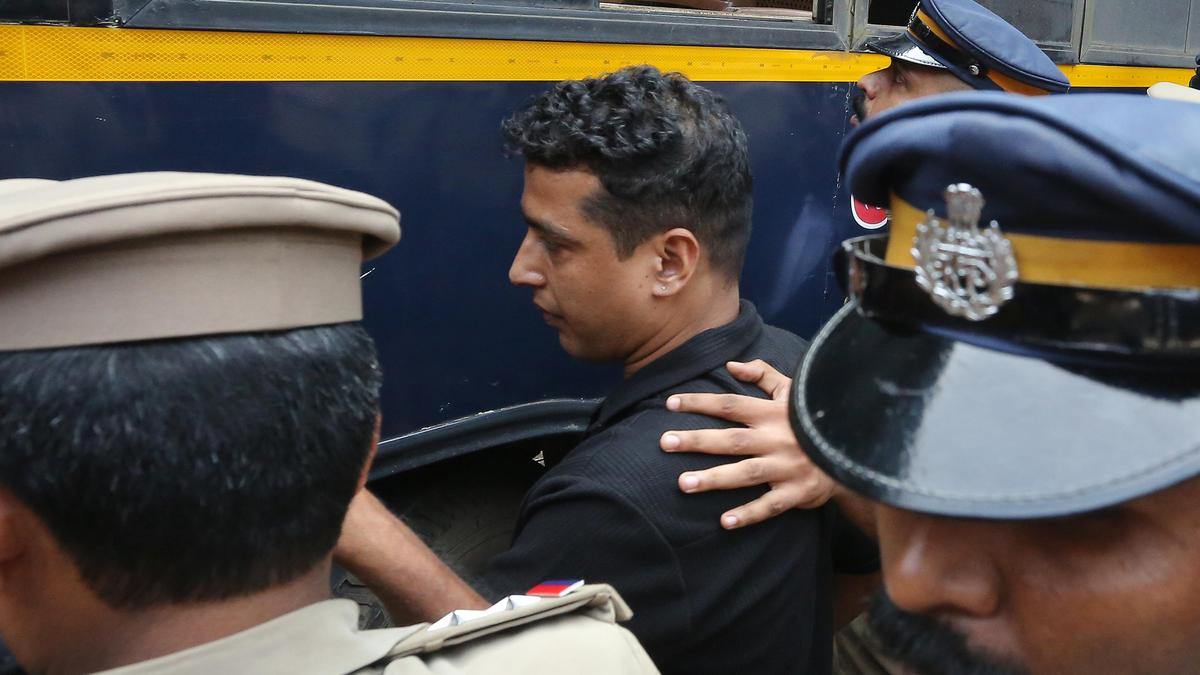
Division Bench holds that finding of Ernakulam Sessions Court is reasonable and that there are no grounds to justify suspension of petitioner’s sentence
Judicial Rigor in the Kerala Actor Assault Case
In a significant legal development, the Kerala High Court has delivered a stern blow to the prime accused, Sunil, in a high-profile actor assault case. The Division Bench of the court explicitly rejected Sunil's petition to suspend his jail term, signaling a judicial commitment to upholding the verdicts of lower courts when the evidence is deemed sufficient. This decision reinforces the legal standing of the Ernakulam Sessions Court, which had previously convicted the accused and handed down a sentence.
The Legal Basis of the High Court's Decision
The core of the High Court's ruling rests on the concept of "reasonable findings." In the Indian judicial system, when an accused appeals a conviction, they often seek a suspension of their sentence to remain out of prison while the appeal is pending. However, for such a plea to be granted, the petitioner must typically demonstrate that the lower court's judgment was perverse or that there are exceptional circumstances justifying their release. By stating that the Ernakulam Sessions Court's findings were reasonable, the Division Bench has effectively validated the trial court's analysis of the facts and the evidence presented during the trial, concluding that there are no merits to justify an interim release.
Implications for the Victim and the Entertainment Industry
This ruling carries profound implications for the victim—the assaulted actor—and the broader entertainment community in Kerala. Assault cases involving public figures often attract immense scrutiny, and the judiciary's refusal to grant leniency to the prime accused sends a clear message regarding the safety and dignity of artists. By ensuring that the accused remains incarcerated during the legal process, the court provides a sense of security to the victim and discourages potential retaliatory actions or witness intimidation, which are common concerns in high-stakes criminal litigation.
Understanding the Hierarchy of the Indian Judiciary
To understand the gravity of this event, one must look at the progression of the case from the Ernakulam Sessions Court to the High Court. The Sessions Court serves as the primary trial court for serious offenses. Once a conviction is secured there, the High Court acts as the first level of appellate review. The fact that a Division Bench—comprising two judges—reviewed the plea and found no grounds for suspension indicates a high level of judicial consensus on the strength of the prosecution's case. This reduces the likelihood of the conviction being overturned unless substantial new evidence is brought forward.
Broader Societal Impact and Deterrence
Beyond the immediate legalities, this case highlights the ongoing struggle against physical violence and harassment in professional spheres. When the law acts decisively against the "prime accused" in a violent assault, it serves as a general deterrent to others. The refusal to suspend the jail term suggests that the court views the offense not merely as a private dispute, but as a serious breach of law that warrants immediate and continuous punishment, thereby upholding the rule of law over the influence or status of the accused.
Future Legal Trajectory
Looking ahead, Sunil's legal options are now limited. With the High Court refusing to suspend the sentence, the accused will likely remain in custody unless he can secure a stay or bail from the Supreme Court of India. The upcoming final hearing of the main appeal will be the ultimate deciding factor. If the High Court eventually upholds the conviction in full, this case will stand as a precedent for how the Kerala judiciary handles violent crimes against public figures, emphasizing that procedural pleas for suspension will not be granted if the trial court's logic is sound.
Conclusion
The Kerala High Court's decision to reject Sunil's plea is a validation of the trial court's diligence and a victory for judicial consistency. By refusing to suspend the jail term, the court has prioritized the integrity of the original verdict and the rights of the victim over the convenience of the accused, ensuring that justice continues to be served without undue delay.
Verification Required?