Gujarat’s Unjha cumin and fennel receive GI tag
Source Entity
India Latest News: Top National Headlines Today & Breaking News | The Hindu
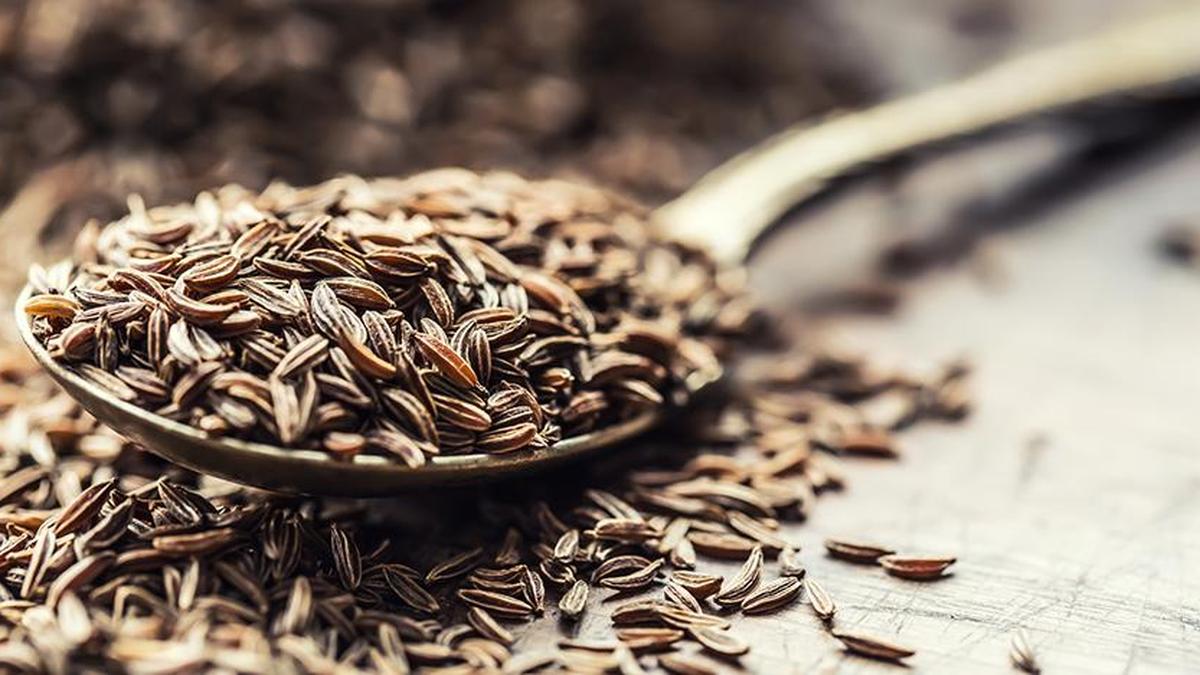
With the addition of Unjha cumin and Unjha fennel, Gujarat has expanded its list of GI-tagged agricultural products, which already includes Gir Kesar mangoes, Bhalia wheat, Kachchhi Kharek and Amalsadi chikoo.
Unjha Cumin and Fennel: A New Era of Geographical Recognition
The recent granting of Geographical Indication (GI) tags to Unjha cumin and Unjha fennel marks a significant milestone for the agricultural landscape of Gujarat. This certification is not merely a label of origin but a legal safeguard that recognizes the unique characteristics, quality, and reputation of these spices, which are intrinsically linked to the specific geography and climatic conditions of the Unjha region. By securing this status, the region ensures that its agricultural heritage is protected from imitation and misappropriation.
Understanding the Power of the GI Tag
A Geographical Indication (GI) tag is a form of intellectual property right that identifies a product as originating from a specific territory, where a given quality, reputation, or other characteristic of the product is essentially attributable to its geographical origin. For Unjha, this means that only cumin and fennel produced in this specific region following traditional methods can use the "Unjha" name. This prevents the dilution of the brand by producers from other regions and provides a legal framework to protect the heritage of local farming communities against fraudulent claims.
Unjha as a Global Spice Hub
Unjha is widely recognized as one of the largest hubs for cumin and fennel trading in Asia. By securing the GI tag, the region elevates its status from a mere trading center to a certified producer of premium quality spices. The unique soil composition and weather patterns of North Gujarat contribute to the aromatic profile and potency of these spices, making them highly sought after in both domestic and international markets. This recognition validates the expertise of local farmers who have cultivated these crops for generations, turning local knowledge into a recognized global asset.
Economic Implications for Local Farmers
The economic ramifications of this GI tagging are profound. With legal protection, farmers and exporters can command a premium price for their produce, as the tag serves as a guarantee of authenticity and quality for the consumer. It significantly reduces the risk of counterfeiting and enables better bargaining power in the global export market. Furthermore, it encourages the adoption of standardized quality control measures, ensuring that the high standards associated with Unjha spices are maintained consistently across all batches.
Strengthening Gujarat's Agricultural Portfolio
This achievement adds to a growing list of GI-tagged agricultural products in Gujarat, which already includes the renowned Gir Kesar mangoes, Bhalia wheat, Kachchhi Kharek, and Amalsadi chikoo. This trend indicates a strategic push by the state to brand its diverse agricultural output. By creating a portfolio of "certified" regional products, Gujarat is positioning itself as a leader in high-value, origin-specific agriculture. This approach not only diversifies the state's economic strengths but also attracts more investment in food processing and agri-tourism.
Conclusion and Future Outlook
The GI tagging of Unjha cumin and fennel is a catalyst for sustainable rural development. As these products gain more visibility in global markets, it is likely that the region will see an increase in value-addition industries, such as organic certification and advanced packaging. This move not only preserves the traditional agricultural wisdom of Gujarat but also ensures that the economic benefits of the region's natural bounty accrue directly to the local producers, securing a prosperous and sustainable future for the farming community of Unjha.
Verification Required?