Storm Bavi Floods China: Driver Battles Deeply Submerged Road Amid Torrential Rain
Source Entity
Latest News: Today's Latest News Headlines from India & World | Hindustan Times | Hindustan Times
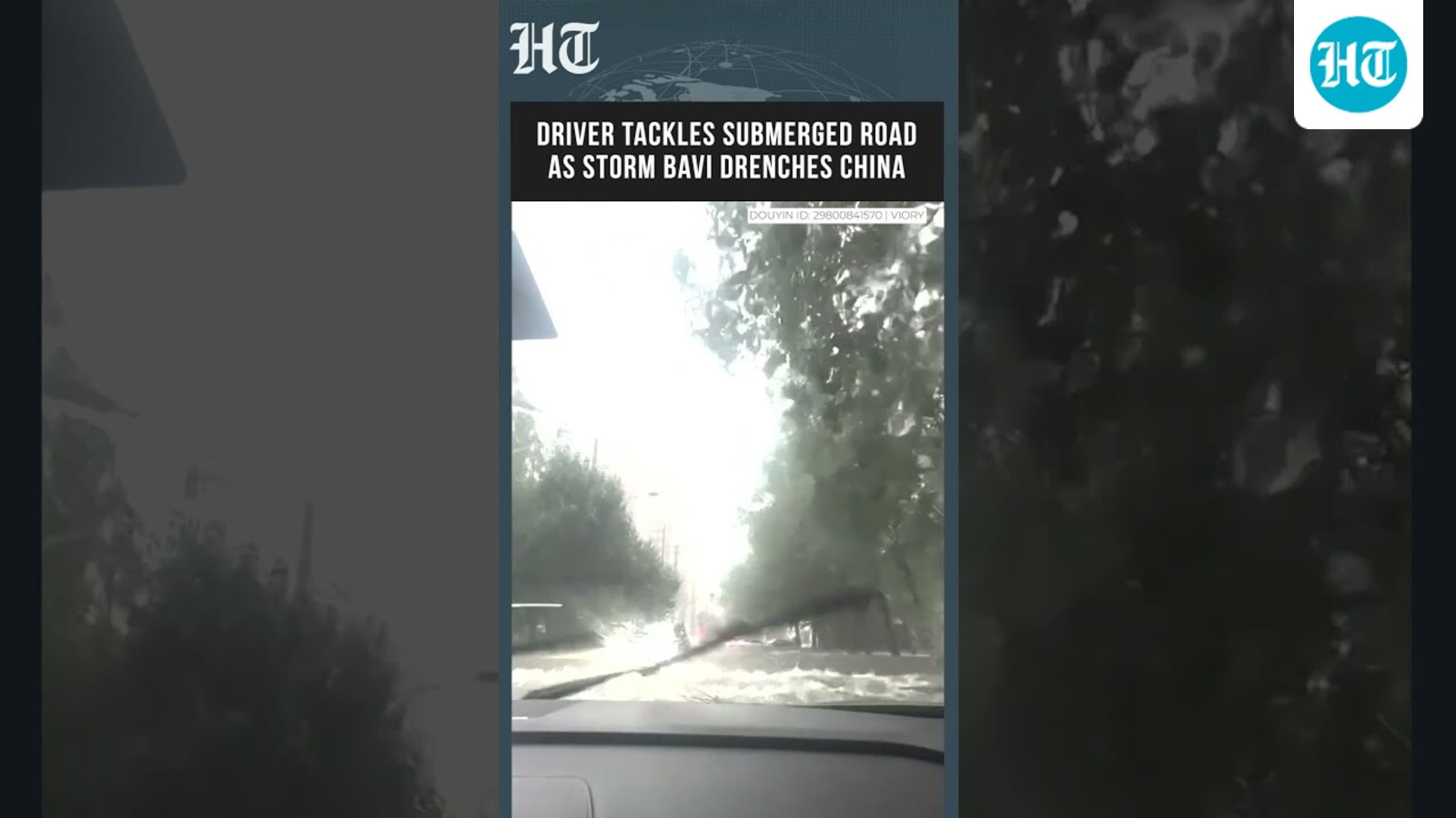
A dramatic video captures a driver navigating a heavily flooded road as Storm Bavi unleashes torrential rain across parts of China. The powerful storm has caused widespread flooding, waterlogged streets, and major travel disruptions, with authorities urging residents to remain alert. The footage highlights the dangerous conditions created by relentless rainfall as emergency teams respond across affected regions. Stay tuned for the latest updates on Storm Bavi, flooding, rescue efforts, and weather impacts across China. INTERNATIONAL NEWS
Analysis of Storm Bavi's Impact on Chinese Infrastructure and Safety
Storm Bavi has unleashed a wave of meteorological chaos across various regions of China, characterized by relentless torrential rainfall and sudden, severe flooding. The most striking evidence of this disaster is captured in dramatic video footage showing a driver attempting to navigate a road that has been almost entirely submerged. This specific incident serves as a microcosm for the broader systemic challenges faced by the region when confronted with extreme weather events, highlighting the immediate danger to commuters and the fragility of local transport networks during peak storm surges.
The Perils of Urban Flash Flooding
The footage of the submerged road underscores a critical safety risk: the unpredictability of flash floods in urban and semi-urban environments. When roads become deeply submerged, drivers face invisible hazards such as displaced manhole covers, washed-out pavement, and the high risk of engine hydrolock, which can leave vehicles stranded and passengers trapped in rising waters. The driver's struggle in the video is not merely a logistical hurdle but a life-threatening situation, emphasizing why authorities urgently advise residents to avoid travel during such alerts. This event highlights the gap between public warnings and individual behavior during climate emergencies.
Infrastructure Resilience and the 'Sponge City' Context
From a broader perspective, the widespread waterlogging observed during Storm Bavi brings into question the efficacy of urban drainage systems. In recent years, China has invested heavily in the "Sponge City" initiative—an urban construction program designed to absorb and reuse rainwater through permeable pavements and rain gardens. However, the sheer volume of precipitation delivered by Storm Bavi demonstrates that even advanced mitigation strategies can be overwhelmed by extreme anomalies. The failure of roads to drain quickly indicates that the intensity of current storm patterns may be outpacing the rate of infrastructure upgrades, necessitating a re-evaluation of urban planning for extreme weather.
Meteorological Trends in the Western Pacific
Storm Bavi is part of a larger, volatile pattern of tropical cyclones and depressions that frequently impact East Asia. The intensification of such storms is often linked to rising sea surface temperatures in the Western Pacific, which provide the thermal energy necessary to fuel torrential rain bands. As these systems move inland, they interact with local topography, often resulting in concentrated bursts of rainfall that trigger the kind of catastrophic flooding seen in this report. This trend suggests that "once-in-a-decade" flooding events are becoming more frequent, shifting the baseline for what constitutes a "normal" monsoon or storm season.
Emergency Response and Public Safety Protocols
The deployment of emergency teams mentioned in the reports indicates a high-level state of alert. The coordinated response—ranging from road closures to active rescue operations—is essential in minimizing casualties during Storm Bavi. However, the necessity of these interventions also reveals the reliance on reactive measures rather than purely preventative ones. The challenge for local governments remains the communication of risk; while alerts are issued, the visual evidence of drivers still venturing into deep water suggests a need for more aggressive traffic management and physical barriers during peak flooding.
Conclusion and Future Outlook
In summary, the flooding caused by Storm Bavi is a stark reminder of the intersection between extreme weather and urban vulnerability. The dramatic imagery of submerged roads serves as a warning of the potential for loss of life and significant economic disruption. Moving forward, the focus must shift toward enhancing early warning systems and accelerating the implementation of climate-resilient infrastructure. As the frequency of powerful storms like Bavi increases, the ability of a region to recover quickly—its resilience—will be the primary determinant of its long-term stability and safety.
Verification Required?