Wildfires burn across UK as fire chiefs warn of extreme pressure
Source Entity
BBC News
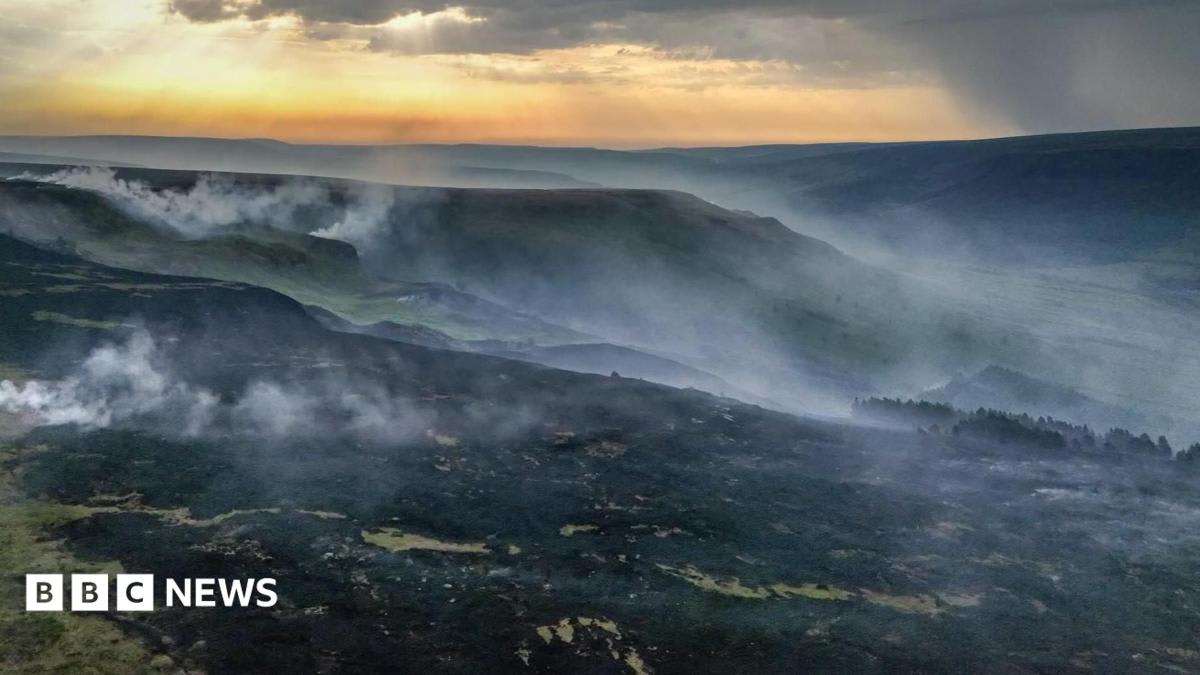
Major incidents were declared in North Wales and in Glossop, Derbyshire in the Peak District on Sunday.
Crisis in the Countryside: Analyzing the UK Wildfire Surge
On a recent Sunday, the United Kingdom's emergency services were pushed to their limits as wildfires tore through critical landscapes, leading to the declaration of 'major incidents' in North Wales and Glossop, Derbyshire. The declaration of a major incident is a significant operational step, indicating that the scale of the emergency has exceeded the immediate capacity of local resources and requires a coordinated, multi-agency response. This surge in fire activity has placed fire chiefs under extreme pressure, highlighting a growing vulnerability in the UK's rural infrastructure during periods of heightened climatic stress.
The Geography of Risk: Moorlands and Peat
The locations of these fires—specifically the Peak District and the rugged terrains of North Wales—are not coincidental. These areas are characterized by vast moorlands and peat-rich soils. While these landscapes are ecologically vital, they become highly flammable during dry spells. Peat fires are particularly insidious because they can smolder underground for days or even weeks, making them incredibly difficult to extinguish fully. When surface vegetation catches fire, the wind-swept nature of these highlands can cause the blaze to spread with terrifying speed, jumping firebreaks and trapping crews in difficult terrain.
Operational Strain and Resource Allocation
The "extreme pressure" cited by fire chiefs refers to the logistical nightmare of fighting wildfires in remote areas. Unlike urban firefighting, moorland blazes require specialized equipment, including off-road vehicles and aerial support, which are limited in number. When multiple major incidents occur simultaneously across different regions—such as Wales and Derbyshire—resources must be stripped from other areas, potentially leaving other communities vulnerable. The coordination required to manage these incidents involves not just fire services, but also police for evacuations and environmental agencies to assess the damage to protected landscapes.
The Broader Climatic Context
Historically, the UK was not viewed as a high-risk zone for large-scale wildfires compared to Mediterranean or Australian climates. However, recent years have shown a trend toward more volatile weather patterns, including prolonged heatwaves and erratic rainfall. This shift creates "tinderbox" conditions where the fuel load (dead grass and heather) becomes critically dry. The current crisis is a symptom of a broader trend where the UK is experiencing a shift in its fire season, with more frequent and intense outbreaks that challenge the traditional training and equipment profiles of British fire and rescue services.
Ecological and Environmental Consequences
Beyond the immediate threat to life and property, these wildfires inflict severe damage on the environment. The Peak District and North Wales are biodiversity hotspots; the destruction of heather and gorse destroys nesting grounds for rare bird species and disrupts local food chains. More critically, the burning of peatlands releases massive amounts of stored carbon dioxide into the atmosphere, turning a natural carbon sink into a source of greenhouse gas emissions. This creates a dangerous feedback loop where the environmental damage caused by the fires contributes to the very climatic instability that fuels them.
Future Outlook and Mitigation
Moving forward, it is likely that the UK will need to invest more heavily in wildfire-specific infrastructure. This may include the procurement of more specialized aircraft for water bombing and the implementation of more sophisticated early-warning satellite systems to detect hotspots before they escalate into major incidents. Furthermore, land management practices may need to evolve, incorporating controlled burns or the introduction of grazing animals to reduce the fuel load on moorlands. As the climate continues to shift, the ability of fire services to manage these extreme events will be a critical component of the UK's national resilience strategy.
Summary
The wildfires in North Wales and the Peak District serve as a stark reminder of the increasing environmental pressures facing the UK. The declaration of major incidents underscores a critical tipping point in resource management and highlights the urgent need for adaptive strategies to combat the growing threat of rural wildfires in an era of climatic instability.