Immense potential for cooperation among BRICS countries in labour-related areas: Union Minister Mandaviya
Source Entity
India Latest News: Top National Headlines Today & Breaking News | The Hindu
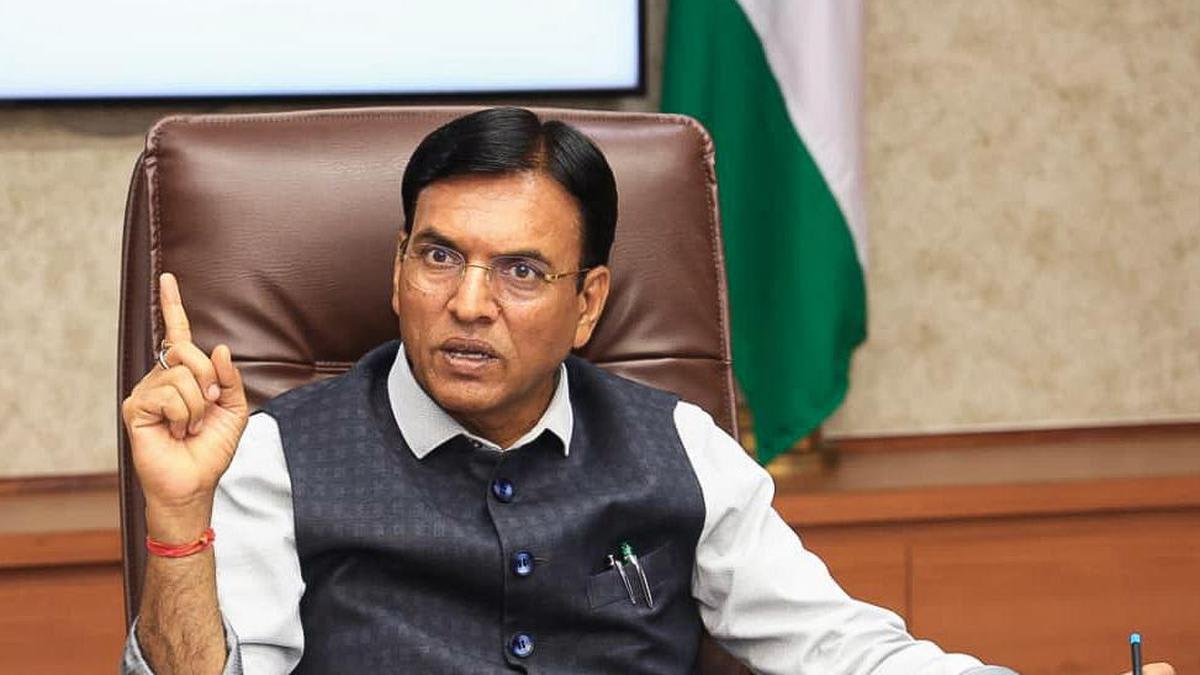
The BRICS countries together represent nearly half of humanity and one of the world's largest labour forces says, Union Labour Minister Mandaviya
Strategic Synergy: Analyzing BRICS Cooperation in Labour Markets
Union Labour Minister Mandaviya's recent assertions regarding the "immense potential" for cooperation among BRICS nations mark a significant diplomatic pivot toward human capital as a pillar of geopolitical strength. By highlighting that BRICS countries represent nearly half of humanity, Mandaviya is not merely stating a demographic fact but is framing the bloc as the primary engine of global productivity. This perspective shifts the conversation from purely macroeconomic indicators, like GDP and trade balances, to the fundamental driver of those indicators: the labour force.
The Demographic Dividend and Global Labour Dynamics
The scale of the BRICS workforce creates a unique opportunity for the bloc to set global standards for labour rights, vocational training, and employment metrics. When nations like India and China—which possess the world's largest populations—align their labour strategies, they create a gravitational pull that can redefine global supply chains. A coordinated approach to labour could allow these nations to better manage the migration of skilled workers and create a more resilient internal market for talent, reducing the historical dependence on Western labour markets for high-skill migration.
Potential Avenues for Institutional Cooperation
Expanding on the "labour-related areas" mentioned by Minister Mandaviya, several critical domains emerge for potential collaboration. First, the standardization of skill certifications across BRICS borders could facilitate the seamless movement of professionals, akin to the European Union's professional recognition systems. Second, there is significant room for cooperation in social security portability, ensuring that workers moving between BRICS nations do not lose their pension or health benefits. Finally, joint research into the impact of Artificial Intelligence and automation on the workforce would allow these nations to develop collective safeguards against mass unemployment in manufacturing sectors.
Economic Implications of a Unified Labour Strategy
From a broader economic perspective, leveraging the BRICS labour force is a strategic move toward reducing vulnerability to external shocks. By optimizing the distribution of labour and skills within the bloc, BRICS can enhance its intra-bloc trade and reduce reliance on non-member economies. This aligns with the overarching goal of the BRICS alliance to create a more multipolar world order where the Global South has a decisive say in the rules of international trade and employment.
Navigating Divergent Labour Frameworks
Despite the potential, the path to cooperation is fraught with challenges due to the vastly different political and economic systems within the bloc. The state-led labour model of China contrasts sharply with the more democratic and market-driven approach of India and Brazil. Reconciling these different regulatory environments to create a cohesive labour framework will require high-level diplomatic negotiation and a willingness to find a "middle ground" that respects national sovereignty while pursuing collective efficiency.
Future Outlook: Toward a Global South Labour Charter
Looking ahead, Mandaviya's statement likely foreshadows the development of a more formal BRICS labour framework or perhaps a "Labour Charter" specifically designed for the Global South. As the bloc expands to include new members, the diversity of its workforce will only grow, making the need for coordinated labour policies even more urgent. We can expect future summits to move beyond financial cooperation (via the New Development Bank) and toward human-centric policies that prioritize worker welfare and skill development on a global scale.
Conclusion
Minister Mandaviya's focus on the BRICS labour force underscores a strategic realization: the true power of the BRICS alliance lies not just in its resources or territory, but in its people. By harnessing the collective potential of nearly half the world's population, the bloc can transition from a loose economic alignment to a powerhouse of human capital, fundamentally altering the trajectory of global economic development.
Verification Required?