World Cup's biggest spenders show up late as semifinals drive host city travel boom
Source Entity
US Top News and Analysis
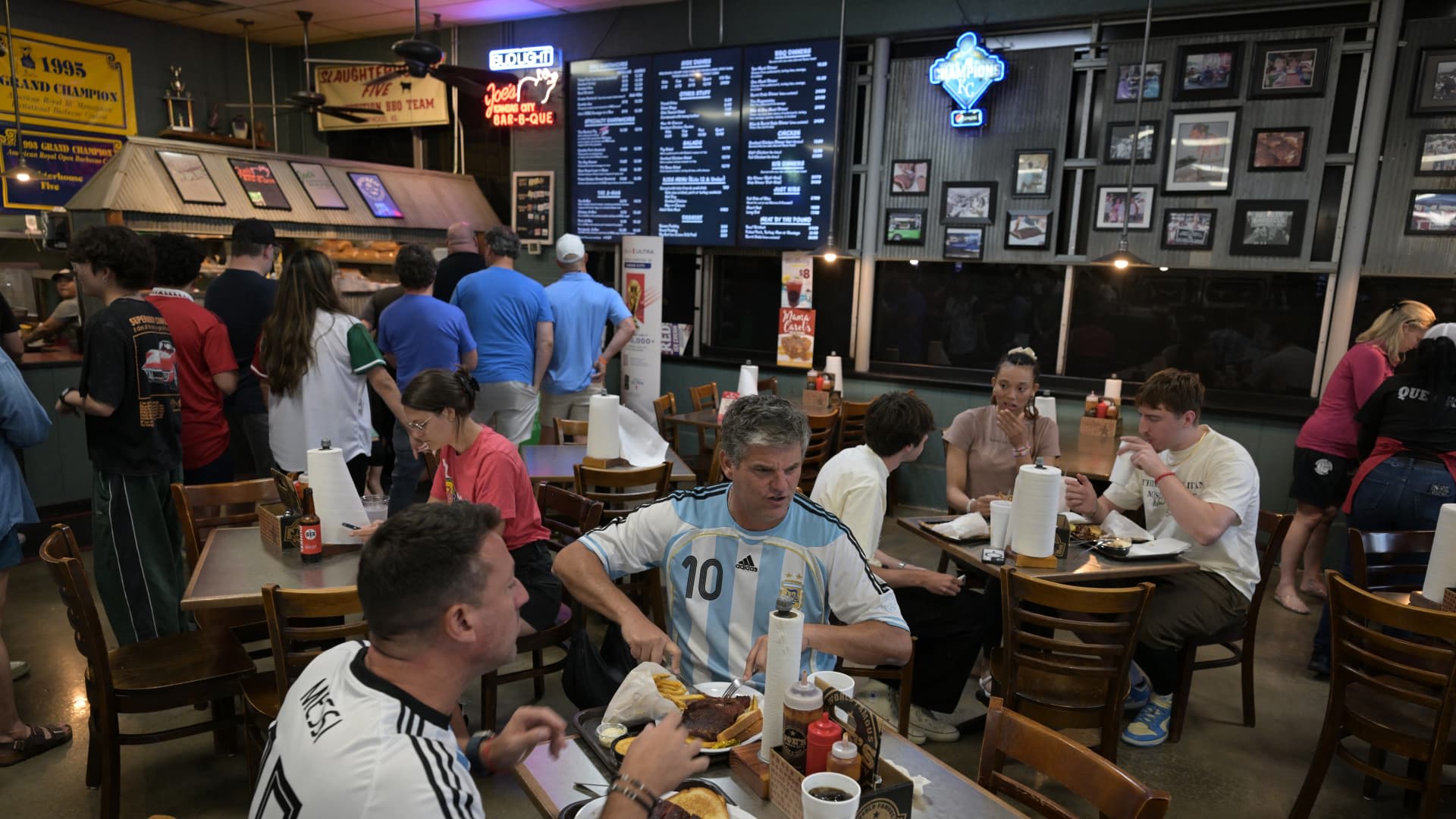
World Cup travel demand to U.S. host cities is spiking as the tournament reaches the semifinal stage.
The Economic Surge of the World Cup Semifinals
The World Cup is more than a global sporting competition; it is a massive economic catalyst. As the tournament progresses into the semifinal stage, the United States host cities are witnessing a dramatic spike in travel demand. This phenomenon is not merely a result of increased fan enthusiasm but is driven by a specific demographic of high-net-worth individuals—the 'biggest spenders'—who enter the ecosystem late in the game. This late-stage influx transforms the local economy from a steady stream of tourism into a high-intensity financial boom.
The Strategy of the High-Value Traveler
One of the most interesting aspects of this travel boom is the timing of the arrivals. While general fans often travel early to experience the group stages and the atmosphere of multiple cities, the highest-spending visitors often employ a strategic approach. These individuals frequently wait until the semifinalists are determined to finalize their travel arrangements. By doing so, they ensure that their investment in luxury accommodations and private transport is aligned with the teams and cities that have successfully advanced. This creates a 'hockey stick' growth curve in demand, where the pressure on city infrastructure peaks exactly when the tournament reaches its most critical juncture.
Impact on the Luxury Hospitality Sector
This surge in high-spending visitors has a profound impact on the hospitality sector, particularly in the luxury tier. Five-star hotels, penthouse suites, and high-end short-term rentals likely see a complete exhaustion of inventory. Beyond lodging, the 'multiplier effect' is evident in the fine dining and luxury retail sectors. When the world's biggest spenders arrive, they do not just buy tickets; they engage in high-end consumption that benefits local businesses far beyond the stadium walls. This concentrated spending provides a significant boost to the host cities' GDP during the event window, far exceeding the per-capita spend of the average tournament tourist.
Infrastructure and Logistics Under Pressure
The sudden spike in demand during the semifinals places immense pressure on urban logistics. Host cities must manage a rapid increase in airport arrivals, luxury ground transportation, and rideshare demand. The 'last mile' of travel—getting from the airport or hotel to the stadium—becomes a critical bottleneck. This surge tests the resilience of the city's infrastructure, requiring coordinated efforts between municipal governments and private transport providers to ensure that the influx of VIPs and fans does not lead to total gridlock, which could otherwise detract from the prestige of the event.
Historical Context of Mega-Event Tourism
Historically, mega-events like the World Cup or the Olympics have shown a pattern where the final stages generate a disproportionate amount of revenue compared to the opening rounds. The semifinals and finals are the 'crown jewels' of the event, attracting corporate sponsors, celebrity guests, and international elites. In the context of the U.S. hosting, this pattern is amplified by the sheer scale of the American market and the ability of its cities to provide high-capacity luxury services. This current boom mirrors previous trends seen in other global host nations where the 'final four' stage triggers a secondary, more lucrative wave of tourism.
Long-Term Economic Implications
Looking forward, the data gathered from this travel boom will be invaluable for future urban planning and event bidding. The ability of U.S. cities to successfully absorb a late-stage spike in high-spending travel signals to the world that the U.S. is a premier destination for global events. If the infrastructure holds and the economic returns are high, it will likely encourage more high-profile international events to seek U.S. venues. Furthermore, the visibility provided by these high-spending visitors can lead to long-term 'destination branding,' where visitors return to these cities for leisure long after the tournament has ended.
Conclusion
In summary, the current travel boom in U.S. host cities is a textbook example of how sports tourism operates at the highest level. The arrival of the tournament's biggest spenders during the semifinals creates a concentrated burst of economic activity that benefits the hospitality, transport, and retail sectors. While this puts a temporary strain on city resources, the overall financial windfall and the global prestige associated with hosting the final stages of the World Cup provide a substantial net gain for the host cities and the broader U.S. economy.