Bengaluru restaurants to stay open till 3.30 am for FIFA World Cup semis, final
Source Entity
The Indian Express
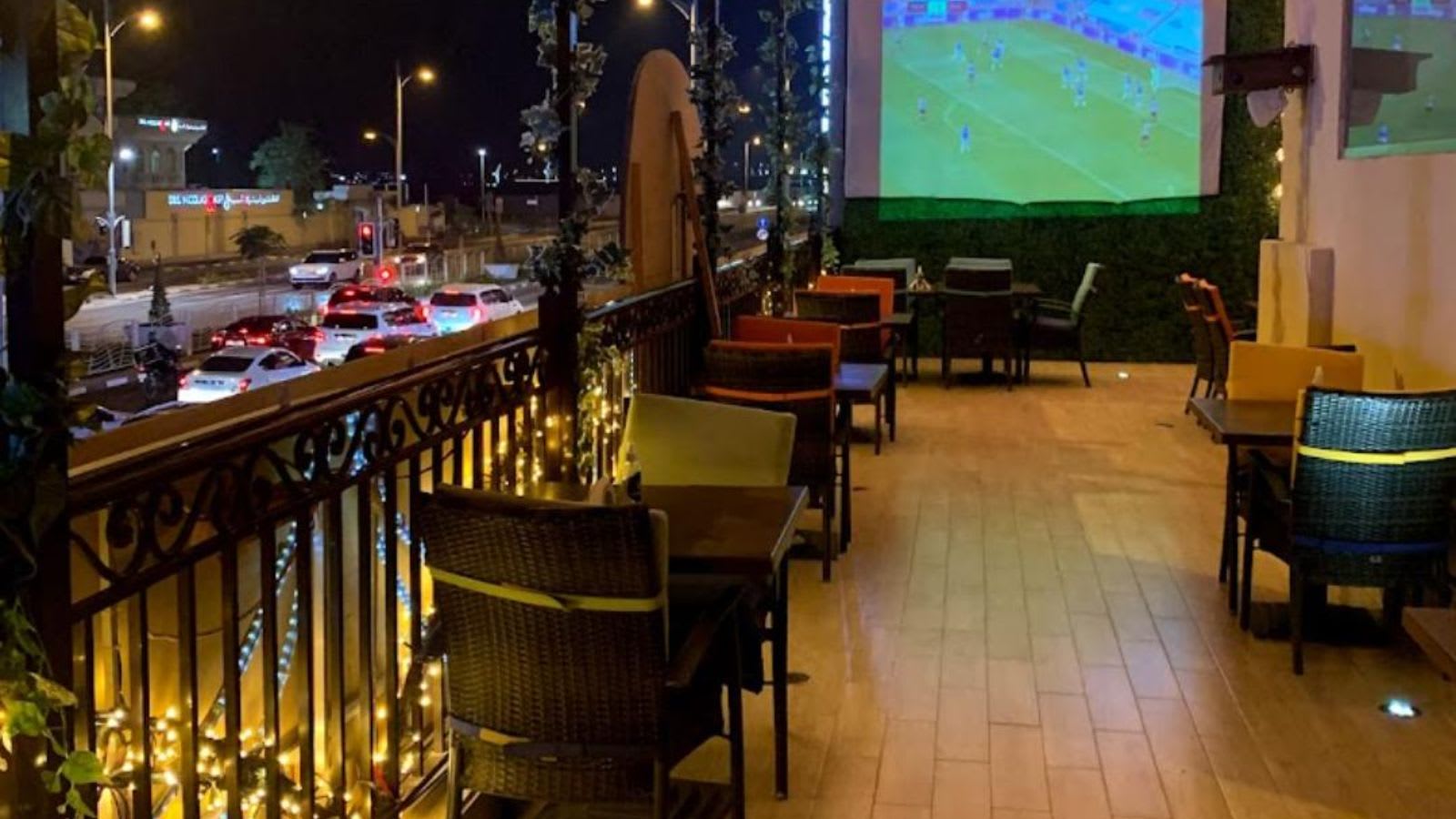
Bengaluru City Police Commissioner Seemanth Kumar Singh has issued an order extending restaurant closure time to allow FIFA World Cup match screenings.(Photo: AI-generated) Football fans in Bengaluru...
Bengaluru Extends Nightlife Hours for FIFA World Cup Finale
In a move that reflects both the global appeal of football and the evolving urban culture of India's Silicon Valley, Bengaluru City Police Commissioner Seemanth Kumar Singh has officially extended the operating hours for restaurants. The directive allows establishments to remain open until 3:30 AM specifically for the screenings of the FIFA World Cup semi-finals and the final. This administrative decision acknowledges the significant time difference between India and the tournament's host region, ensuring that fans do not have to choose between legal compliance and witnessing the climax of the world's most prestigious sporting event.
The Surge of Football Culture in Bengaluru
This decision is a testament to the burgeoning football culture within Bengaluru. While cricket has historically dominated the Indian sporting landscape, Bengaluru has emerged as a stronghold for football fans. The city's demographic—comprising a large population of young professionals, expats, and students—has fostered a diverse sporting palate. By permitting late-night screenings, the local government is effectively recognizing football not just as a sport, but as a cultural phenomenon that brings diverse groups of people together in shared communal spaces.
Economic Stimulus for the Hospitality Sector
From a business perspective, the extension of closure times provides a significant short-term economic boost to the food and beverage (F&B) industry. Restaurants and pubs in Bengaluru often rely heavily on the 'experience economy,' where the draw is as much about the atmosphere as it is about the food. The semi-finals and finals of the FIFA World Cup are peak viewing events; by extending hours, the city enables these businesses to maximize revenue through increased footfall, late-night dining, and beverage sales, effectively turning sporting events into commercial opportunities.
Balancing Public Celebration with Law and Order
The role of the Bengaluru City Police in this scenario is multifaceted. By issuing a formal order rather than allowing an unregulated extension, Commissioner Seemanth Kumar Singh is bringing these gatherings under a legal framework. This allows the police to better manage crowd control, monitor traffic flow during the early hours of the morning, and ensure that the festivities do not devolve into public nuisances. It represents a flexible approach to governance where law enforcement acts as a facilitator for public joy while maintaining a safety net for urban order.
Global Sporting Fever and Local Adaptation
The FIFA World Cup is a global event that transcends borders, and the reaction in Bengaluru mirrors similar trends seen in major cities worldwide. When a global event captures the public imagination to this extent, cities often adapt their local bylaws to accommodate the collective viewing experience. This adaptation highlights how globalized sporting events can influence local municipal policies, shifting the traditional boundaries of 'business hours' to align with international schedules.
Future Trends in Event-Based Urban Governance
Looking forward, this move sets a precedent for 'event-based' administrative flexibility in Indian metros. It is likely that we will see similar extensions for other major global events, such as the Olympics or high-profile Formula 1 races. As India continues to integrate further into the global sporting community, the demand for synchronized viewing experiences will grow, prompting city administrations to create temporary, event-specific regulatory windows to support both the fans and the local economy.
Summary of Impact
Ultimately, the decision to keep Bengaluru's restaurants open until 3:30 AM is a win-win for the city. It caters to the passion of the football community, provides a financial windfall for local business owners, and demonstrates a proactive and modern approach to city management. By aligning local laws with global passions, Bengaluru reinforces its image as a cosmopolitan hub that celebrates international sportsmanship.