Affordable private schools in Telangana seek relaxation in fire safety norms
Source Entity
India Latest News: Top National Headlines Today & Breaking News | The Hindu
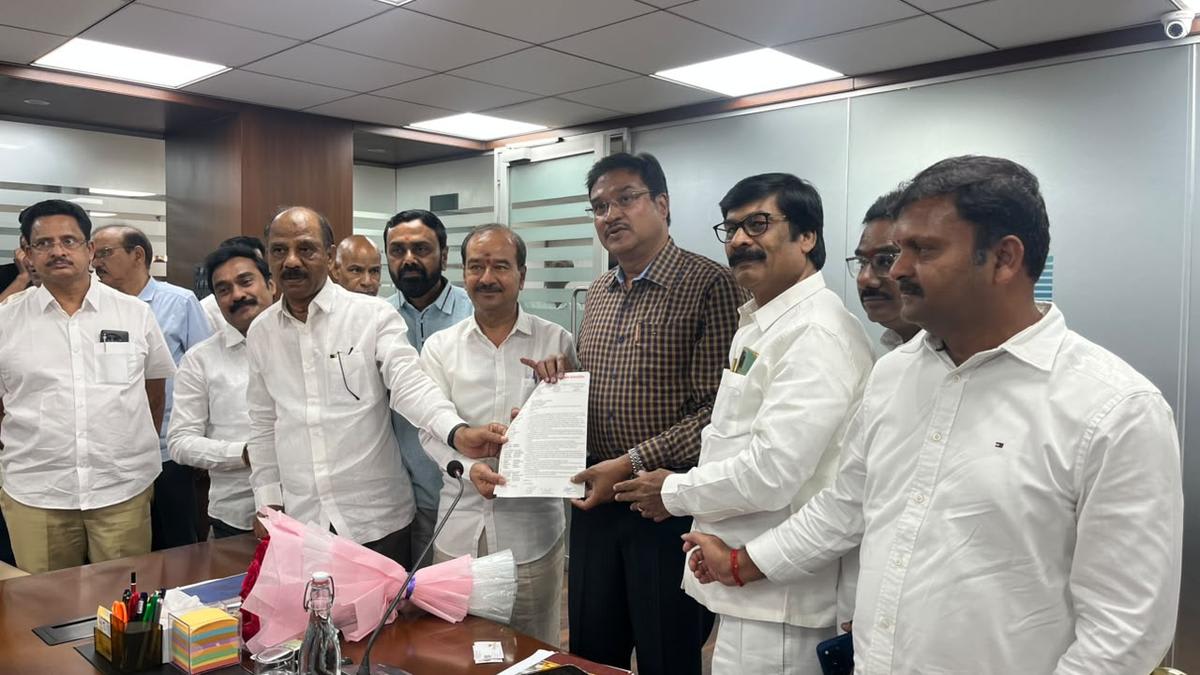
The Telangana Recognised School Managements Association (TRSMA) has urged the State government to grant relaxation in certain fire safety norms while issuing No Objection Certificates (NOCs) to long-e...
Balancing Educational Access and Student Safety: The TRSMA Plea
The Telangana Recognised School Managements Association (TRSMA) has officially approached the State government, seeking a strategic relaxation of fire safety norms required for the issuance of No Objection Certificates (NOCs). This request highlights a growing tension between the state's mandate to ensure the highest safety standards for students and the operational realities of affordable private schools. At its core, the issue is one of feasibility; many of these institutions operate out of older buildings that were constructed long before current fire safety codes were established, making full compliance a daunting task.
The Structural and Financial Hurdle
For many long-established affordable private schools in Telangana, the requirement to meet modern fire safety standards is not merely a matter of installation but often requires significant structural modifications. Retrofitting old buildings with advanced fire exits, sprinkler systems, and specialized alarm networks can be prohibitively expensive. Since these schools cater to lower-income demographics, their profit margins are slim, and the capital expenditure required for such upgrades could either lead to unsustainable debt or force an increase in tuition fees, which would directly contradict their mission of providing affordable education.
The Risk of Regulatory Rigidity
While fire safety norms are non-negotiable from a life-safety perspective, the TRSMA's request suggests that rigid application without nuance can lead to adverse outcomes. If the government refuses any flexibility, many schools may find themselves unable to renew their NOCs, potentially leading to the closure of institutions that serve thousands of children. This creates a paradoxical situation where the pursuit of safety could lead to the loss of educational access for marginalized communities, pushing students toward unregulated or subpar alternatives that might be even less safe than the existing schools.
Broader Implications for Telangana's Education Sector
This development reflects a wider systemic challenge in urban planning and educational regulation within India. The shift toward more stringent safety laws is a necessary response to historical tragedies, but the implementation often fails to account for the diversity of infrastructure. By seeking relaxation, the TRSMA is essentially asking the government to recognize a 'tiered' approach to compliance—one that ensures basic, critical safety is met while providing a more realistic timeline or alternative measures for those unable to meet the most stringent high-end specifications immediately.
Future Trends and Potential Compromises
Moving forward, it is likely that the Telangana government will have to find a middle ground to avoid a crisis in the affordable schooling sector. Potential solutions could include the introduction of government subsidies for fire safety upgrades in recognized affordable schools or the implementation of a phased compliance schedule. We may also see the introduction of 'safety audits' that allow for alternative risk-mitigation strategies (such as increased staff training and more frequent drills) to offset some of the structural deficiencies in older buildings.
Conclusion
The request by the TRSMA underscores the critical need for a balanced regulatory framework that does not sacrifice safety for affordability, nor affordability for bureaucracy. The resolution of this issue will set a precedent for how Telangana manages its private educational infrastructure, ensuring that the right to a safe environment and the right to affordable education are not mutually exclusive.
Verification Required?