Pakistan influence in West Asia setback to India, question mark on Vishwaguru's style: Congress
Source Entity
India Latest News: Top National Headlines Today & Breaking News | The Hindu
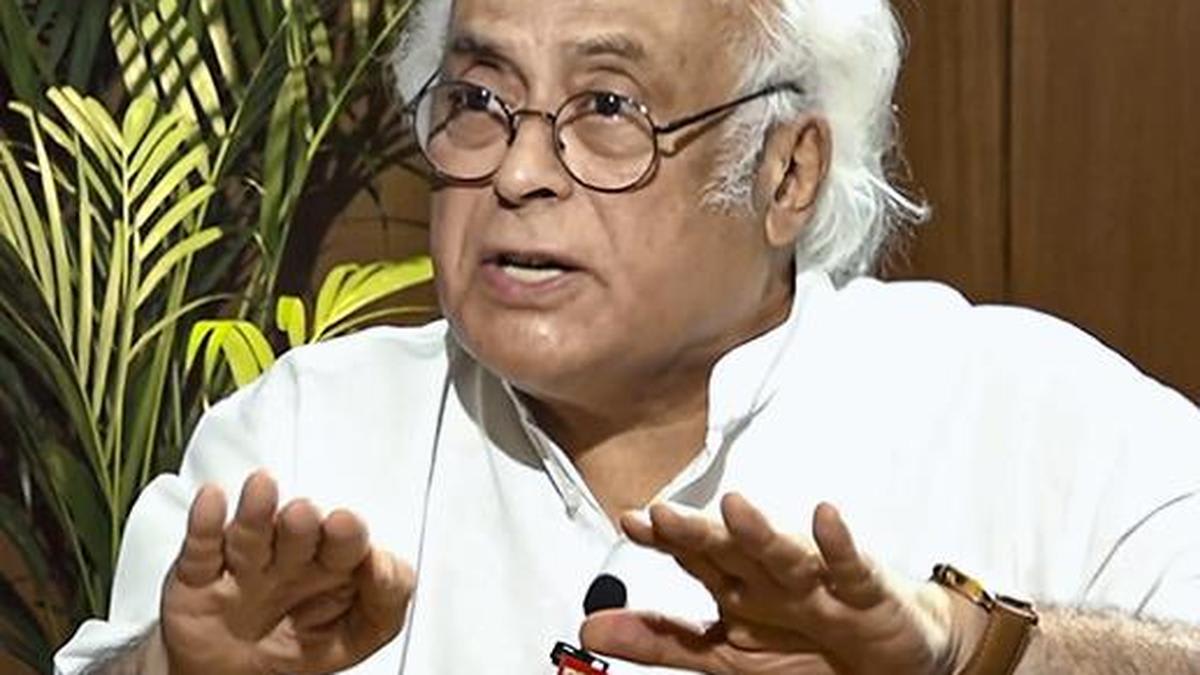
Congress general secretary Jairam Ramesh claimed that Islamabad's influence in West Asia is a "severe setback" to India
Political Friction Over West Asian Diplomacy
In a recent political salvo, Congress General Secretary Jairam Ramesh has raised significant concerns regarding India's diplomatic standing in West Asia. By characterizing Pakistan's influence in the region as a "severe setback" for India, Ramesh is not merely commenting on bilateral relations but is directly challenging the current administration's narrative of India as a rising global power. This critique emerges at a time when the geopolitical landscape of West Asia is undergoing rapid shifts, making the region a critical theater for India's strategic and economic ambitions.
The 'Vishwaguru' Narrative Under Scrutiny
Central to Ramesh's critique is the term "Vishwaguru," a Sanskrit phrase meaning "Teacher to the World." The current Indian government has frequently employed this imagery to project India as a moral, spiritual, and strategic leader on the global stage. By questioning the "style" of this Vishwaguru approach, the Congress party is attempting to highlight a perceived gap between the government's domestic rhetoric and the actual diplomatic outcomes. The implication is that while the government projects an image of unrivaled global leadership, the reality of Pakistan's continued or growing relevance in West Asia suggests a failure in strategic execution.
Geopolitical Rivalry in West Asia
West Asia, comprising key players like Saudi Arabia, the UAE, and Qatar, is vital for India due to energy security, remittance flows from the diaspora, and strategic maritime trade routes. Historically, Pakistan has maintained deep-rooted religious and strategic ties with these nations. While India has made significant strides in the last decade—elevating its ties to a strategic partnership level with the Gulf monarchies—the Congress party's claim suggests that Pakistan still possesses a level of influence that could potentially undermine India's interests. This rivalry is not just about diplomatic presence but about who can better leverage their relationship with West Asian powers to secure regional stability and economic favors.
The Strategic Implications of Pakistan's Influence
If Pakistan is indeed regaining or maintaining significant influence in West Asia, it could pose challenges to India's efforts to isolate Islamabad on the global stage, particularly regarding issues of cross-border terrorism. The concern raised by Jairam Ramesh suggests that any diplomatic space granted to Pakistan in the Gulf could be used to lobby against Indian interests or create a counter-balance to India's growing economic footprint in the region. For the opposition, this represents a strategic lapse where the government's focus on high-profile global summits may have come at the expense of nuanced, ground-level diplomatic competition with its neighbor.
Opposition Rhetoric and Foreign Policy Critique
This critique is part of a broader strategy by the Congress party to challenge the government on matters of national security and international prestige. By framing the issue as a "setback," the opposition is attempting to pivot the public discourse from one of national pride to one of strategic vulnerability. This move seeks to engage the electorate on the complexity of foreign policy, suggesting that the government's approach is more about optics than actual strategic gains. It reflects a recurring theme in Indian politics where the opposition seeks to hold the ruling party accountable for the perceived efficacy of its "neighborhood first" and global outreach policies.
Conclusion: The Battle of Narratives
Ultimately, the clash between Jairam Ramesh's assertions and the government's "Vishwaguru" branding highlights the internal political struggle over how India's global rise is measured. While the government points to increased trade and strategic alignments as proof of success, the opposition points to the persistence of regional rivals as a sign of failure. Whether Pakistan's influence is truly a "severe setback" or a manageable diplomatic variable, the debate underscores the critical importance of West Asia in India's long-term strategic calculus and the role of domestic political discourse in shaping the perception of foreign policy.
Verification Required?