ECI extends SIR in Andhra Pradesh: enumeration till July 24, final roll on October 3
Source Entity
India Latest News: Top National Headlines Today & Breaking News | The Hindu
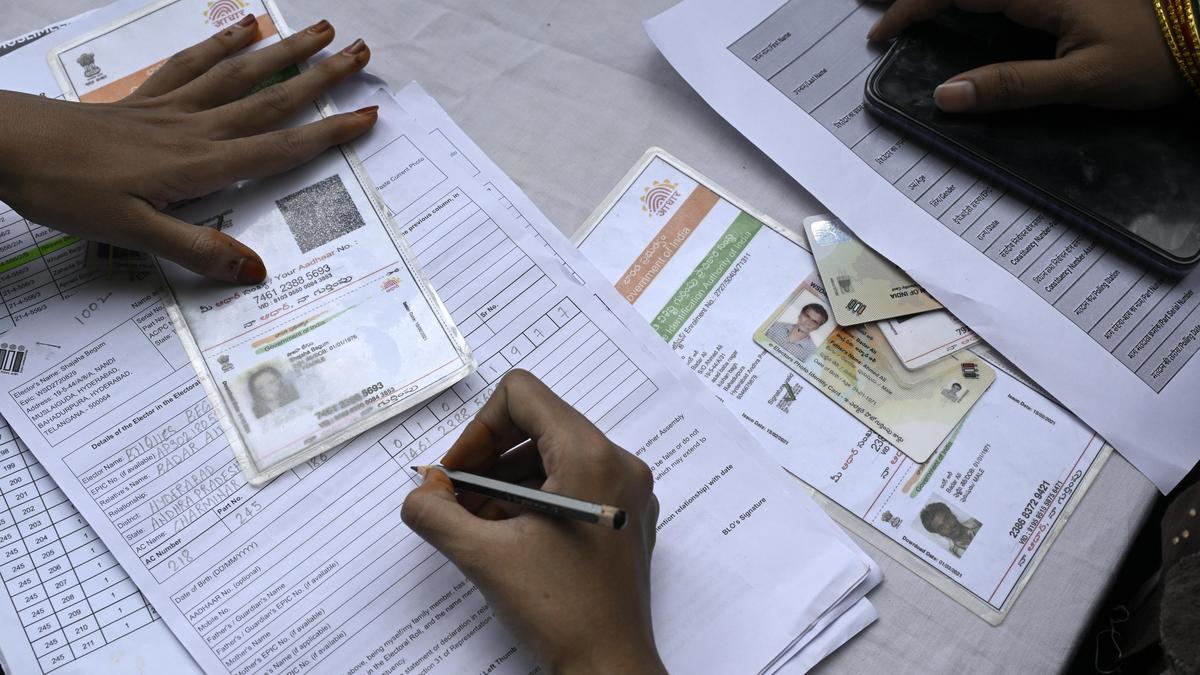
The draft publication of the electoral roll is now scheduled for July 31, 2026; the window for filing claims and objections will open from July 31 to August 30, 2026, with their disposal running from July 31 to September 28, 2026
Analysis of ECI's Special Intensive Revision Extension in Andhra Pradesh
The Election Commission of India (ECI) has announced a strategic extension of the Special Intensive Revision (SIR) process in Andhra Pradesh. This administrative move is designed to ensure the utmost accuracy of the electoral rolls, which serve as the foundational document for any democratic exercise. By extending the enumeration phase until July 24 and pushing the final publication of the roll to October 3, the ECI is prioritizing comprehensive data collection over a rushed timeline, thereby minimizing the risk of disenfranchisement or the inclusion of ineligible voters.
Breaking Down the Revision Timeline
The newly announced schedule outlines a rigorous multi-stage process. The initial phase, enumeration, will conclude on July 24. Enumeration is the critical groundwork where officials verify the residency and eligibility of voters. Following this, the draft publication of the electoral roll is set for July 31, 2026. This draft serves as a public document, allowing citizens to verify their details and ensure their names are correctly listed. The transition from enumeration to draft publication is a pivotal moment that moves the process from data collection to public verification.
The Role of Claims and Objections
A cornerstone of the ECI's transparency is the window for filing claims and objections, which will run from July 31 to August 30, 2026. This one-month period is essential for maintaining the integrity of the roll. During this time, eligible citizens who were missed during enumeration can apply for registration, while others can object to the inclusion of deceased persons or individuals who have shifted their residence. This democratic safeguard ensures that the electoral roll is a living document, reflecting the actual demographics of the state's population.
Administrative Disposal and Finalization
The period from July 31 to September 28 is dedicated to the disposal of these claims and objections. This is an intensive administrative phase where Electoral Registration Officers (EROs) must investigate every claim and objection filed by the public. The rigor of this phase determines the quality of the final roll. By providing nearly two months for disposal, the ECI ensures that officials have sufficient time to conduct field verifications, preventing arbitrary deletions or additions that could be contested in court later.
Broader Implications for Democratic Integrity
An accurate electoral roll is the primary defense against "ghost voting" and electoral fraud. In a state as politically active as Andhra Pradesh, the precision of the voter list can significantly influence the legitimacy of election outcomes. By extending the SIR, the ECI is reinforcing the principle of "no voter left behind." This process is not merely a clerical update but a systemic effort to ensure that the democratic will of the people is captured accurately, reducing the potential for legal disputes regarding voter eligibility during actual polling.
Technological Integration and Future Trends
While the provided timeline focuses on dates, these intensive revisions are increasingly supported by digital infrastructure. The shift toward e-EPIC (electronic Electoral Photo Identity Cards) and online portals for filing claims suggests that the ECI is leveraging technology to make the SIR process more efficient. Future trends indicate that these manual intensive revisions may eventually be supplemented by real-time data integration with other government databases, though the human-led verification process remains the gold standard for ensuring factual accuracy on the ground.
Conclusion
The extension of the SIR in Andhra Pradesh, concluding with the final roll on October 3, reflects a commitment to procedural thoroughness. By meticulously scheduling the enumeration, draft publication, and the claims-disposal window, the ECI is building a robust framework for future elections. The success of this exercise will be measured by the reduction in voter grievances and the overall cleanliness of the final electoral roll, ensuring a fair and transparent electoral environment for the citizens of Andhra Pradesh.
Verification Required?