Census 2027 must count castes, not create them
Source Entity
The Indian Express
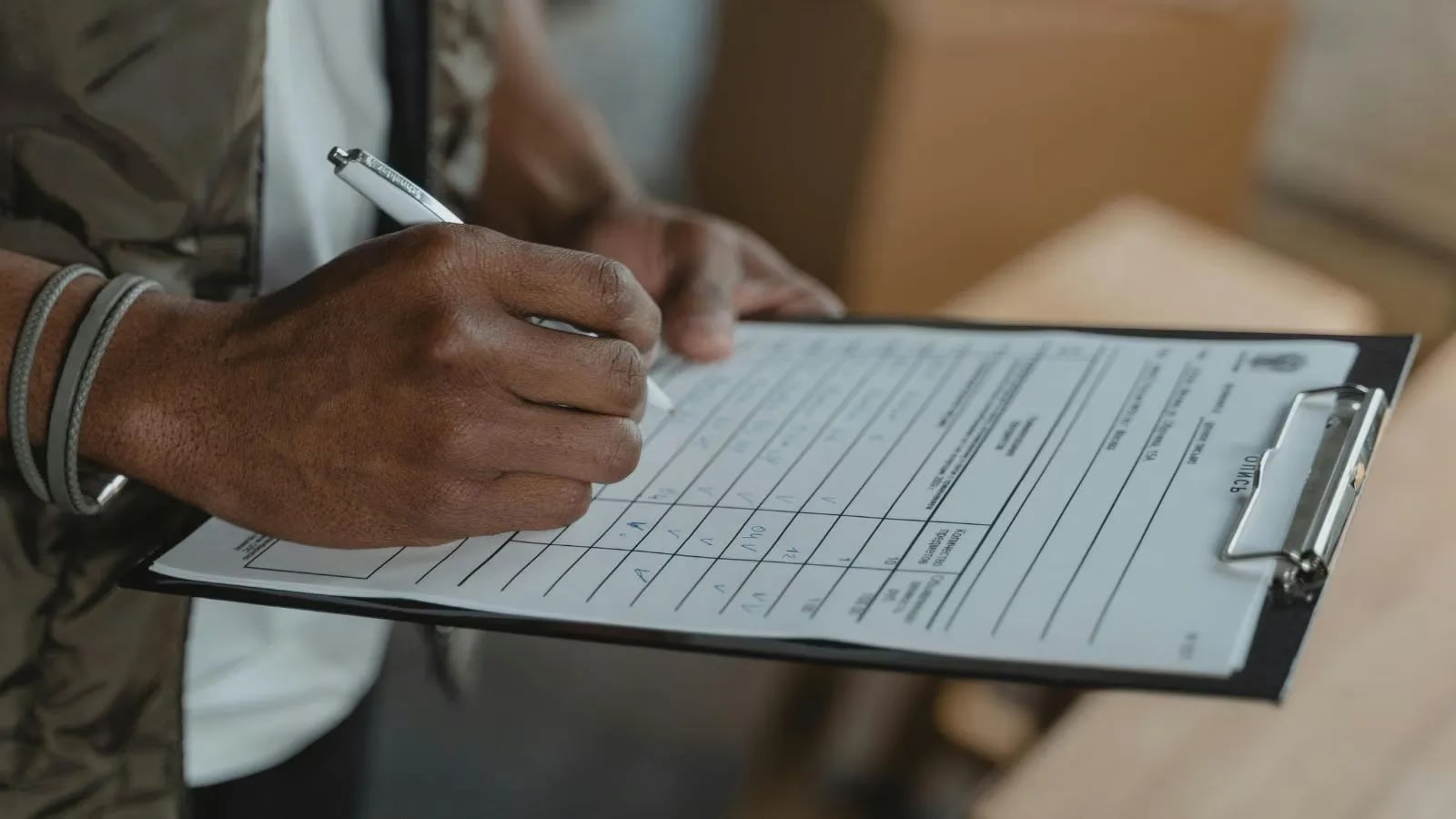
Written by Gowd Kiran Kumar Recent news reports indicate that the rehearsal for the second phase of Census 2027 includes an “open column” for recording caste. While the government has clarified that ...
The Complex Dynamics of the Census 2027 Caste Recording
The upcoming Census 2027 stands as one of the most significant administrative undertakings in recent Indian history, not merely for its demographic utility but for its profound political implications. The recent revelation that the second phase of the census rehearsal includes an "open column" for recording caste has reignited a long-standing national debate. This mechanism, which allows citizens to self-identify their caste rather than selecting from a predefined list, represents a shift toward inclusivity but opens a Pandora's box of sociological and administrative challenges. The central thesis of the current discourse, as highlighted by Gowd Kiran Kumar, is the critical distinction between counting existing castes and inadvertently creating new ones through the process of self-reporting.
The Mechanism of the "Open Column" and its Risks
An "open column" approach is designed to capture the fluid and diverse nature of identity in a country as complex as India. By allowing individuals to write in their caste, the government theoretically captures a more accurate snapshot of the current social landscape. However, from a data-science perspective, this creates a massive "cleaning" hurdle. When thousands of variations of the same caste name are entered due to spelling errors, regional dialects, or intentional distinctions, the resulting data can become fragmented. More dangerously, the incentive to claim a specific caste identity to qualify for affirmative action or reservation quotas may lead individuals to "create" or revive obscure sub-castes, thereby distorting the demographic reality to suit political or economic interests.
Historical Context and the Quest for Data
To understand the weight of the 2027 Census, one must look back at the historical trajectory of caste enumeration in India. The last comprehensive caste-based census was conducted in 1931 during the British colonial era. Since independence, the Indian state has primarily focused on Scheduled Castes (SCs) and Scheduled Tribes (STs), avoiding a full caste census to prevent the further hardening of caste identities. However, the Mandal Commission reports of the 1980s shifted the paradigm, emphasizing the need for data on Other Backward Classes (OBCs) to ensure equitable distribution of resources. The current push for a detailed caste count in 2027 is a continuation of this struggle to align social justice policies with empirical evidence.
Political Implications and Reservation Quotas
The recording of caste is never a neutral act in the Indian political arena; it is fundamentally tied to the logic of reservation. Accurate data is the primary weapon for political parties seeking to expand quotas or create new categories of beneficiaries. If the Census 2027 reveals that certain communities are under-represented relative to their population size, it provides a potent empirical basis for demanding increased quotas in education and government employment. Consequently, the "open column" becomes a site of political contestation, where the act of recording a name can translate directly into legislative power and social mobility for millions.
Sociological Impact: Hardening vs. Healing
There is a deep-seated sociological concern that by meticulously counting every sub-caste, the state may inadvertently reinforce the very divisions it seeks to bridge. The warning that the census must not "create" castes speaks to the fear of "caste proliferation," where the social fabric is further shredded into smaller, competing interest groups. When identity is quantified and tied to state benefits, the incentive for social integration diminishes, and the incentive for caste-based mobilization increases. The challenge for the government is to use this data to implement targeted welfare without turning the census into a tool that freezes caste identities in stone.
Conclusion: Balancing Accuracy with Stability
In summary, the Census 2027 rehearsal signals a move toward a more granular understanding of India's social hierarchy, but it requires a sophisticated approach to data validation. The "open column" must be balanced with rigorous verification processes to ensure that the census reflects reality rather than aspirations for quotas. If handled correctly, the 2027 Census could provide the necessary roadmap for a more precise and fair distribution of social benefits. If handled poorly, it risks institutionalizing fragmentation and creating an artificial proliferation of caste identities that could destabilize social cohesion for decades to come.