PPE failures left NHS staff poorly protected and wasted £10bn, Covid inquiry finds
Source Entity
BBC News
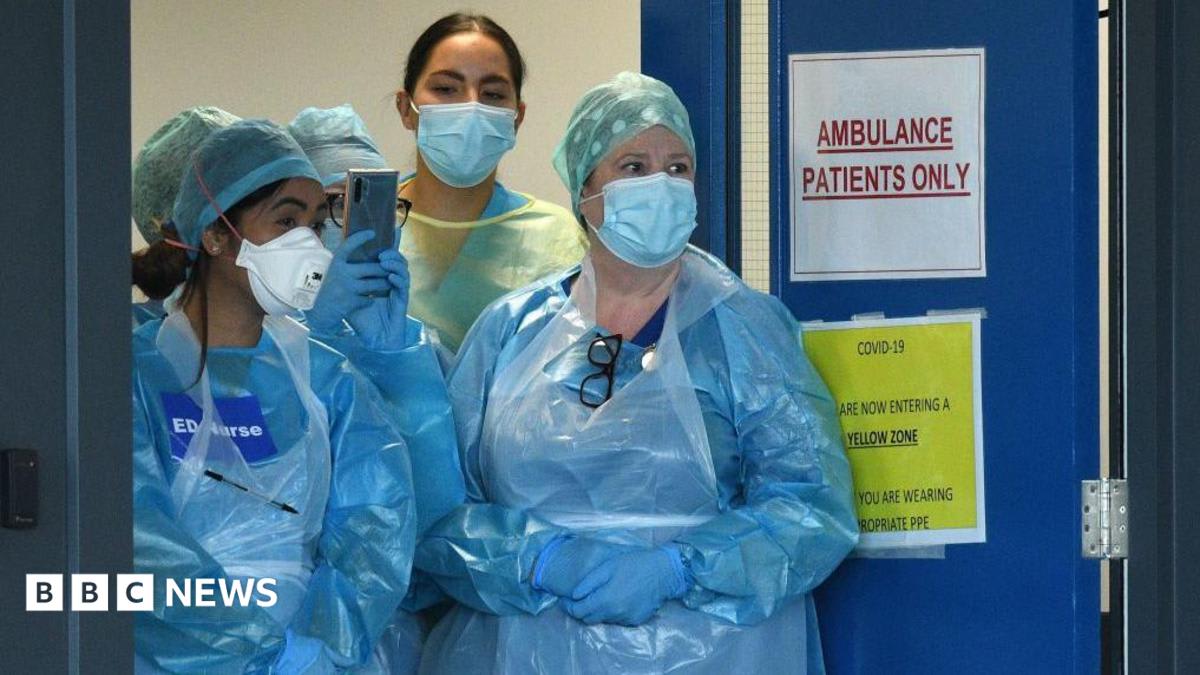
Healthcare staff were unable to properly protect themselves, or those in their care, from dangerous infections, says the latest inquiry report.
Systemic Failure: Analyzing the £10bn PPE Procurement Disaster
The latest findings from the Covid-19 inquiry have exposed a catastrophic failure in the United Kingdom's pandemic response, specifically regarding the procurement and distribution of Personal Protective Equipment (PPE). The report highlights a dual tragedy: the physical endangerment of frontline NHS staff and a staggering financial hemorrhage of £10 billion in public funds. This revelation underscores a critical breakdown in government oversight and the failure of the state to uphold its basic duty of care toward the healthcare workers who served as the primary defense against the virus.
The Human Cost of Procurement Negligence
At the heart of this failure was the inability of healthcare workers to properly protect themselves and their patients from dangerous infections. During the height of the pandemic, reports emerged of staff resorting to improvised protection, such as using bin bags as gowns or reusing single-use masks for days on end. The inquiry suggests that this was not merely a result of global shortages, but a failure of domestic strategy. When the state fails to provide the fundamental tools required for safety, it creates a psychological burden of fear and abandonment among staff, which likely contributed to the widespread burnout and attrition rates seen in the NHS in the years following the initial outbreak.
Financial Waste and the £10bn Void
The figure of £10 billion wasted on PPE is a staggering indictment of the procurement processes employed during the crisis. Much of this waste is attributed to the purchase of substandard equipment that was unfit for clinical use, as well as overpriced contracts awarded through lack of competitive bidding. The rush to secure supplies led to a 'wild west' atmosphere where quality control was sidelined in favor of speed and political connections. This financial waste represents a massive opportunity cost; these funds could have been invested in permanent staffing increases, better ventilation in hospitals, or more robust early-warning systems for future health crises.
Governance and the 'VIP Lane' Implications
While the provided context focuses on the waste and lack of protection, the broader implication involves the governance of emergency spending. The inquiry's findings point toward a systemic lack of transparency. The procurement of PPE often bypassed traditional audits, leading to the acquisition of gear that failed basic safety standards. This indicates a dangerous precedent where emergency powers were used to circumvent accountability, resulting in a situation where public money was spent on products that provided a false sense of security to the very people tasked with saving lives.
Lessons for Future Pandemic Preparedness
Moving forward, this failure serves as a critical case study in the necessity of maintaining strategic, rotating stockpiles of PPE rather than relying on 'just-in-time' supply chains during a global catastrophe. The inquiry suggests that the UK was caught unprepared, and the subsequent frantic spending was a reactive rather than a strategic response. To prevent a recurrence, there must be a shift toward diversified sourcing and the implementation of rigorous, pre-approved quality frameworks that can be activated instantly during a national emergency without sacrificing fiscal responsibility.
Conclusion: A Legacy of Accountability
In summary, the Covid inquiry's findings regarding PPE are not just about lost money, but about lost trust. The revelation that £10 billion was wasted while staff remained vulnerable reveals a profound disconnect between government administration and frontline reality. For the NHS to recover, there must be full accountability for those who oversaw these procurement failures. The legacy of this event must be a complete overhaul of how the UK manages emergency medical logistics to ensure that no healthcare worker is ever again forced to choose between their own safety and the care of their patients.