Two Covid deaths in Andhra, eight cases: Is this a cause for concern?
Source Entity
Nikhila Henry
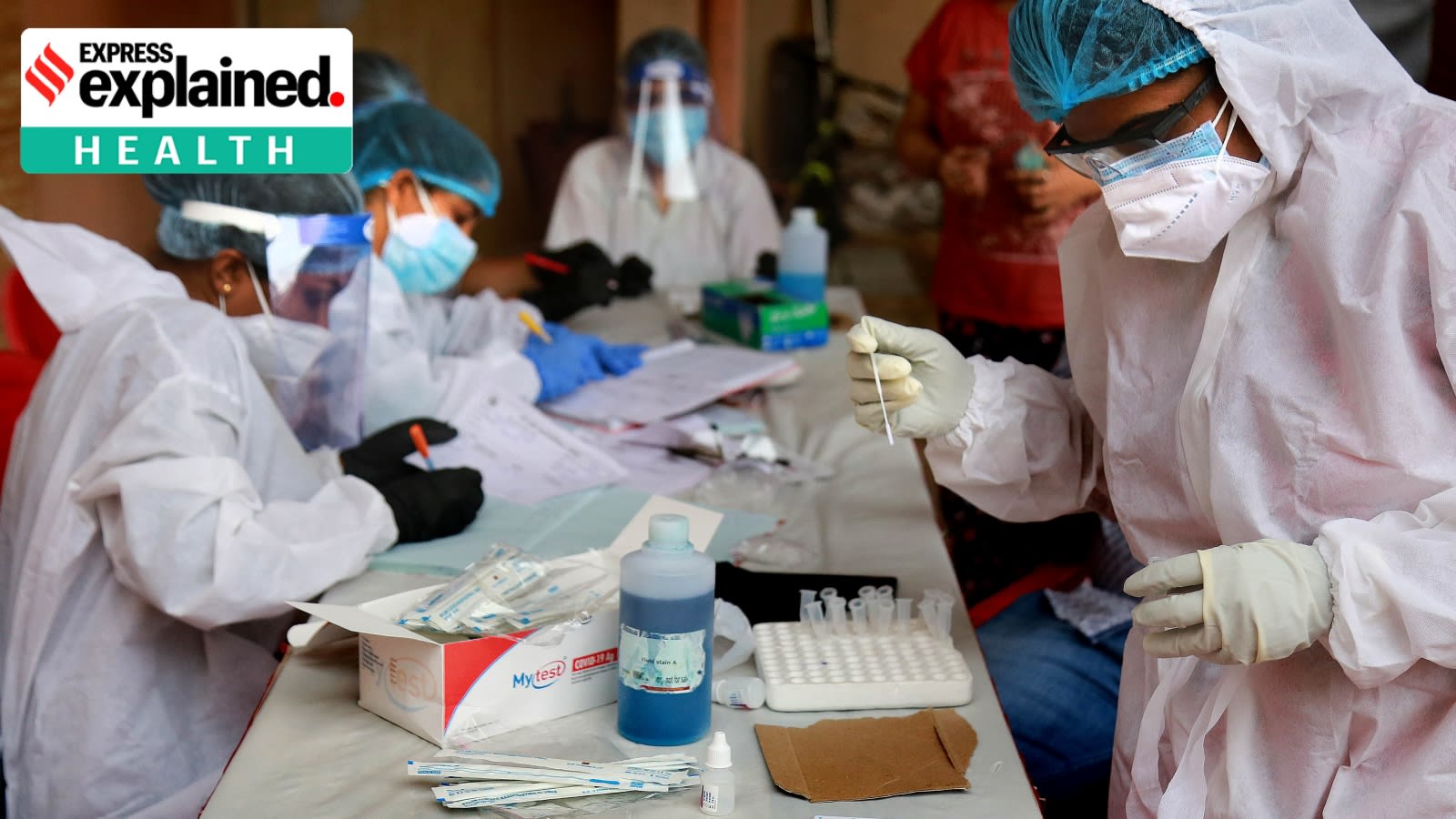
The Andhra Pradesh health department is on alert following two Covid-19 deaths in Kadapa district. These are the first Covid-related deaths in the state since 2022. Eight other persons also tested po...
COVID-19 Resurgence Alert in Andhra Pradesh: Analyzing the Kadapa Cluster
The health administration of Andhra Pradesh has entered a state of heightened vigilance following a concerning development in the Kadapa district. The report of two COVID-19 related deaths, accompanied by eight positive test results, has disrupted a period of relative stability. These fatalities are particularly significant as they represent the first COVID-related deaths recorded in the state since 2022, signaling a potential shift in the local epidemiological landscape that requires immediate professional scrutiny.
The Significance of the Kadapa Outbreak
While the number of cases remains low in absolute terms, the transition from zero deaths over several years to two sudden fatalities in a single district suggests a localized cluster that may be more virulent or affecting a more vulnerable demographic. The fact that eight other individuals tested positive indicates a chain of transmission within the community. In public health, the reappearance of mortality after a long hiatus often triggers an immediate investigation into whether the deaths were caused by a new variant, a lapse in booster vaccination coverage, or the presence of severe comorbidities among the deceased.
Public Health Surveillance and Response
Historically, the shift from a pandemic to an endemic state involves a reduction in mass testing and a move toward sentinel surveillance. However, the current alert in Andhra Pradesh demonstrates the necessity of maintaining a responsive healthcare infrastructure. The health department's decision to go "on alert" likely involves intensifying contact tracing around the Kadapa cluster to prevent the virus from spreading to neighboring districts. This proactive approach is critical to ensure that the current spike does not evolve into a wider regional surge.
Broader Implications of Viral Persistence
This event serves as a stark reminder that SARS-CoV-2 continues to circulate and evolve. The broader implication of these deaths is the realization that immunity—whether from previous infection or vaccination—wanes over time. The gap between 2022 and the present suggests that a significant portion of the population may be overdue for booster doses. When a virus finds a pocket of susceptible hosts, even a well-managed health system can see a sudden spike in severe cases and deaths, as evidenced by the current situation in Kadapa.
Historical Context and Comparative Trends
Looking back at the trajectory of the pandemic in India, the state of Andhra Pradesh had managed to keep mortality rates low for an extended period. The sudden appearance of deaths in 2024 mirrors global trends where "mini-waves" occur periodically. These waves are often driven by seasonal changes or the emergence of sub-variants that can bypass existing immunity. By comparing this cluster to previous surges, health officials can determine if this is an isolated incident or the beginning of a seasonal trend affecting the southern states.
Predicting Future Trends and Preventative Measures
Moving forward, it is probable that the Andhra Pradesh government will increase genomic sequencing of the positive samples from Kadapa to identify the specific strain of the virus. If a new variant is identified, we can expect a push for renewed vaccination drives. For the general public, this event will likely trigger a return to basic precautionary measures, such as masking in crowded areas and improved hand hygiene, particularly for high-risk individuals who may have been complacent during the years of low transmission.
Conclusion: Balancing Vigilance and Calm
In summary, while the two deaths in Kadapa are a cause for clinical concern and administrative alert, they do not currently indicate a state-wide crisis. The situation highlights the delicate balance health authorities must maintain: reacting swiftly to prevent a localized cluster from expanding while avoiding widespread panic. The focus now remains on containment, rigorous testing, and the analysis of the deaths to ensure that the state's healthcare system remains resilient against future viral iterations.