No evidence of highly virulent COVID-19 variant in T.N., says Health department
Source Entity
India Latest News: Top National Headlines Today & Breaking News | The Hindu
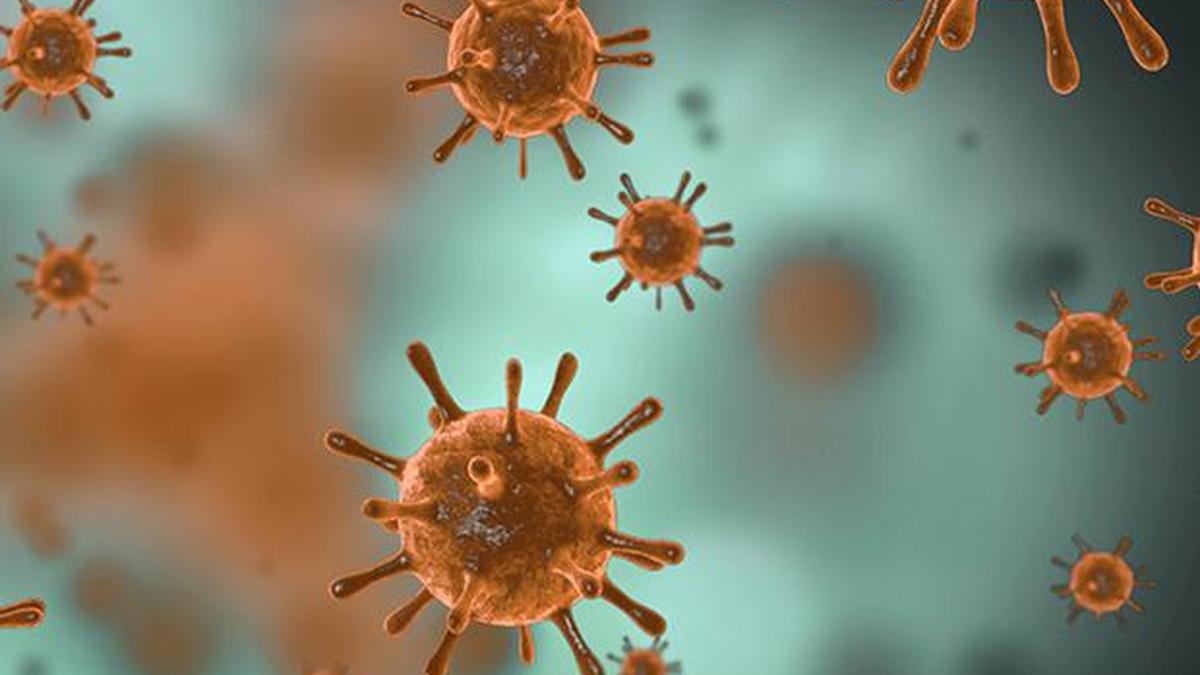
Amid reports of COVID-19 related deaths in Andhra Pradesh, Tamil Nadu’s Health Department has said there is no evidence that a highly virulent COVID-19 variant is circulating in Tamil Nadu and COVID-1...
Analysis of Tamil Nadu Health Department's Statement on COVID-19 Variants
In a move to maintain public calm and provide clarity on the current epidemiological landscape, the Tamil Nadu Health Department has issued a formal statement denying the presence of a highly virulent COVID-19 variant within the state. This announcement comes as a direct response to rising anxiety fueled by reports of COVID-19 related fatalities in the neighboring state of Andhra Pradesh. By addressing these concerns head-on, the health authorities aim to prevent the spread of misinformation and ensure that the public relies on verified medical data rather than anecdotal reports from across state borders.
Addressing Regional Health Anxiety
The timing of this statement is critical, as the proximity of Tamil Nadu and Andhra Pradesh often leads to shared health concerns due to the high volume of inter-state travel and trade. When news of an increase in mortality or a potential new strain emerges in one state, it naturally triggers alarm in the neighboring region. The Tamil Nadu Health Department's proactive communication serves as a strategic 'de-escalation' measure. By explicitly stating that there is "no evidence" of a virulent variant, the government is attempting to decouple the health situation in Andhra Pradesh from the current status in Tamil Nadu, thereby preventing unnecessary panic and the potential overloading of healthcare facilities by the 'worried well.'
The Role of Genomic Surveillance
To arrive at the conclusion that no highly virulent variant is circulating, the Health Department relies on a rigorous system of genomic sequencing. This process involves taking samples from positive cases and analyzing their genetic makeup to identify mutations that could lead to increased transmissibility or severity (virulence). The fact that the department has issued a denial suggests that the current samples being sequenced in state labs and integrated centers do not show the hallmarks of a new, dangerous mutation. This reliance on science-based surveillance is the cornerstone of modern pandemic management, allowing authorities to distinguish between a general rise in cases and the emergence of a more lethal strain.
Implications for Public Health Strategy
This development underscores the ongoing necessity of the "Sentinel Surveillance" model, where specific sites are monitored closely to detect early warning signs of viral evolution. While the current report is reassuring, it also highlights the precarious nature of viral mutations. The broader implication is that while Tamil Nadu is currently safe from a highly virulent strain, the vigilance cannot be entirely dropped. The Health Department's statement is not a declaration of the end of the virus, but rather a snapshot of the current genomic landscape. It reinforces the importance of maintaining basic health protocols and keeping the vaccination infrastructure ready for potential booster drives should the situation shift.
Future Trends and Monitoring
Looking forward, it is likely that Tamil Nadu will increase its coordination with the Integrated Disease Surveillance Programme (IDSP) to monitor cross-border movements more closely. As COVID-19 transitions from a pandemic to an endemic state, the focus shifts from mass lockdowns to targeted monitoring. We can expect the state to continue emphasizing genomic sequencing of 'severe' cases—those resulting in hospitalization or death—to ensure that any shift in virulence is caught in real-time. This data-driven approach will be essential in formulating future public health advisories without disrupting the state's economic activity.
Conclusion
In summary, the Tamil Nadu Health Department's clarification serves as a vital check against regional panic. By grounding their statement in the absence of evidence for a virulent variant, they have provided a necessary reassurance to the public. However, the incident highlights the interdependence of state health systems in India and the critical role that transparent, timely, and science-backed communication plays in managing public health crises in a densely populated region.
Verification Required?