AAP chief Kejriwal urges Wangchuk to end hunger strike; will meet him on July 16
Source Entity
India Latest News: Top National Headlines Today & Breaking News | The Hindu
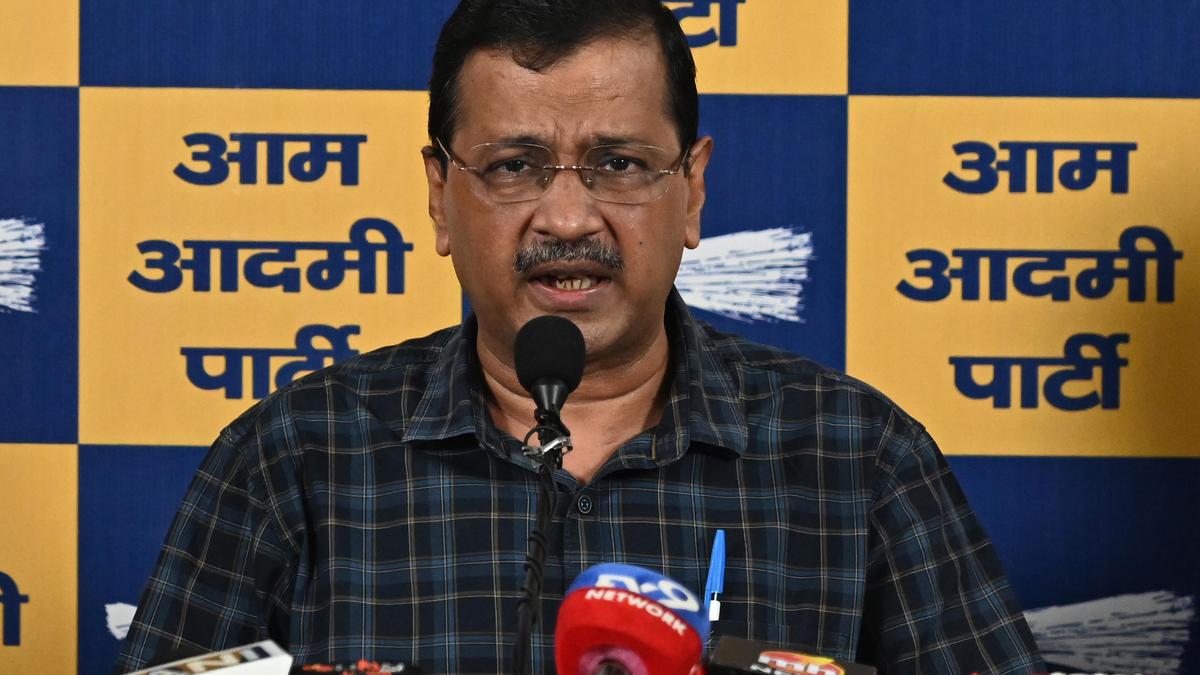
"Sonam Wangchuk has been on a hunger strike for some days, and his health is deteriorating. He is an asset of the country, and I appeal to him to end his hunger strike. There are other ways also for the struggle," says Arvind Kejriwal
Political Outreach and Humanitarian Concern: Analyzing Kejriwal's Appeal to Sonam Wangchuk
In a significant intersection of environmental activism and national politics, Aam Aadmi Party (AAP) chief Arvind Kejriwal has issued a public appeal to Sonam Wangchuk, the renowned Ladakhi innovator and activist, to terminate his ongoing hunger strike. Kejriwal's intervention comes at a critical juncture where Wangchuk's physical health is reportedly declining, prompting the political leader to describe him as an "asset of the country." By scheduling a meeting for July 16, Kejriwal is attempting to transition the discourse from a public display of protest to a structured dialogue, suggesting that there are more sustainable methods of struggle to achieve Wangchuk's objectives.
The Context of Sonam Wangchuk's Activism
To understand the gravity of this situation, one must look at the motivations behind Sonam Wangchuk's protest. Wangchuk has long been a voice for the fragile ecosystem of Ladakh and the political aspirations of its people. The core of the current unrest typically centers on the demand for Ladakh to be included under the Sixth Schedule of the Indian Constitution. This legal framework would grant the region greater autonomy and protect its indigenous land, forests, and cultural identity from external commercial exploitation. The hunger strike is a manifestation of the deep-seated anxiety in the region regarding the loss of democratic safeguards following the reorganization of Jammu and Kashmir.
The Political Strategy of the AAP
Arvind Kejriwal's decision to step into this issue is not merely a humanitarian gesture but also a strategic political move. By aligning himself with a figure as respected as Wangchuk, Kejriwal positions the AAP as a party that cares for marginalized regional concerns and environmental sustainability—themes that resonate with a broad demographic of voters. This outreach allows the AAP to expand its visibility beyond its stronghold in Delhi and Punjab, signaling a willingness to engage with the unique geopolitical and ecological challenges of the Himalayan border regions.
The Tension Between Protest and Health
The appeal highlights a recurring theme in Indian political history: the use of the hunger strike as a potent tool for moral pressure. While fasting is a powerful symbol of non-violent resistance, it poses an immediate risk to the life of the activist. Kejriwal's emphasis on Wangchuk's health serves as a reminder that the loss of such an intellectual and environmental leader would be a detriment to the cause itself. By urging Wangchuk to seek "other ways for the struggle," Kejriwal is advocating for a shift toward diplomatic negotiation and legal advocacy over physical attrition.
Geopolitical Implications for Ladakh
Beyond the immediate interaction between two public figures, the stability of Ladakh is of paramount importance to India's national security. Given Ladakh's strategic location bordering both China and Pakistan, the internal satisfaction and political stability of the local population are critical. Any prolonged unrest or perceived neglect by the central government can create vulnerabilities. Therefore, the effort to resolve Wangchuk's grievances through dialogue, as proposed by Kejriwal, is essential for maintaining regional harmony and ensuring that the local population feels heard and protected.
Future Outlook: The July 16 Meeting
The upcoming meeting on July 16 will be a pivotal moment. If Kejriwal can act as a bridge between the activist and the administrative machinery, it could lead to a breakthrough in the deadlock over Ladakh's status. However, the success of this meeting depends on whether the dialogue results in concrete assurances or remains a symbolic gesture. Future trends suggest that as climate change disproportionately affects the high-altitude deserts of Ladakh, the intersection of environmental protection and political autonomy will only become more volatile, making such mediations increasingly necessary.
Summary
Arvind Kejriwal's appeal to Sonam Wangchuk represents a blend of humanitarian concern and political diplomacy. By prioritizing Wangchuk's health and proposing a meeting, Kejriwal seeks to steer the Ladakhi struggle toward a more sustainable path of negotiation while amplifying the region's demands for constitutional protections on a national stage.
Verification Required?