Supreme Court mulls 24X7 emergency protocol to protect life, liberty
Source Entity
India Latest News: Top National Headlines Today & Breaking News | The Hindu
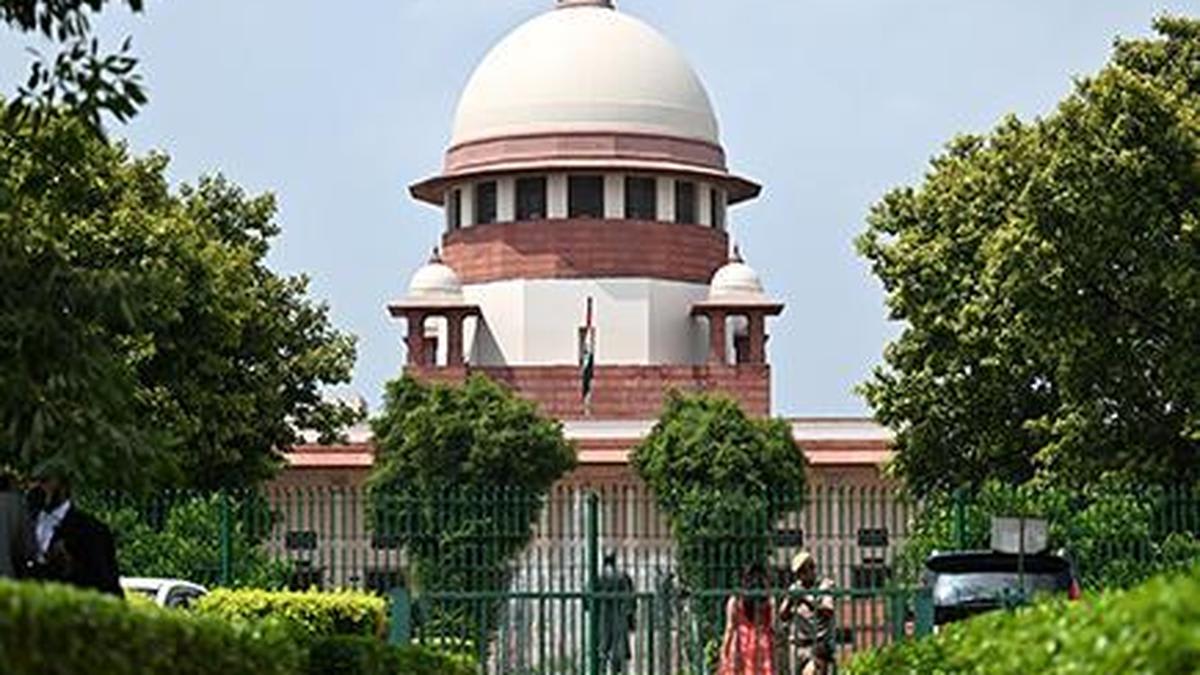
Access to justice cannot wait for office hours in the background of credible reports of late-night arrests, early morning demolition drives and deportation or executive actions undertaken during weekends or holidays
Safeguarding Liberty: The Supreme Court's Shift Toward 24/7 Justice
In a landmark conceptual shift, the Supreme Court of India is considering the establishment of a 24/7 emergency protocol designed to protect the fundamental rights of citizens. The core impetus behind this move is the recognition that the executive branch of government—including police forces and municipal authorities—operates around the clock, whereas the judiciary has traditionally been bound by strict office hours. This temporal gap creates a "justice vacuum" where individuals may be subjected to state action without the immediate possibility of legal recourse, potentially leading to irreversible violations of life and liberty.
Addressing the 'Blind Spots' of Executive Action
The Strategy of Timing
The court's deliberations are specifically anchored in reports of late-night arrests and early-morning demolition drives. From a legal and sociological perspective, the timing of these actions is often strategic; by executing raids or demolitions during the pre-dawn hours or over weekends, the state can minimize immediate public outcry and delay the filing of urgent petitions. When a demolition occurs at 5:00 AM on a Saturday, the victim is often unable to reach a court until Monday morning, by which time the physical structure is gone and the damage is permanent. A 24/7 protocol would effectively strip the executive of this tactical advantage.
Deportation and Immediate Executive Orders
Beyond demolitions, the court is concerned with deportation proceedings and other urgent executive actions. For marginalized populations or foreign nationals, a few hours of detention without judicial oversight can lead to severe due process violations. By ensuring that a judge is available to hear a habeas corpus petition or a stay application at any hour, the Court aims to reinforce the principle that the right to liberty is not a part-time guarantee but a constant constitutional mandate.
Constitutional Implications and the Right to Life
This move is a direct extension of the court's duty to protect Article 21 of the Constitution, which guarantees the right to life and personal liberty. Historically, the judiciary has intervened post facto to punish illegal detentions or order compensation for wrongful demolitions. However, the Supreme Court is now recognizing that compensation is a poor substitute for prevention. By moving toward a real-time emergency response system, the judiciary is transitioning from a reactive posture to a proactive one, ensuring that the "due process of law" is available at the exact moment it is most needed.
Operationalizing 24/7 Judicial Access
Implementing such a protocol requires a significant overhaul of current judicial administration. It would likely involve the creation of an "Emergency Registry" and a rotation of on-call judges who can be summoned via virtual hearing platforms. In an era of digital transformation, the infrastructure for virtual courts already exists, making this transition feasible. The challenge lies in balancing the need for urgency with the necessity of judicial deliberation, ensuring that emergency stays are granted based on credible evidence rather than becoming a tool for frivolous litigation.
Future Trends: The Digitalization of Civil Liberties
Looking forward, this initiative signals a broader trend toward the "digitization of justice." If successful, this 24/7 model could set a global precedent for how high courts handle human rights emergencies. We can expect a move toward integrated digital portals where lawyers can file emergency petitions that trigger immediate alerts to the on-call judge. This would not only reduce the abuse of power by local authorities but also increase the public's trust in the judiciary as a reliable shield against executive overreach.
Summary
The Supreme Court's proposal to implement a round-the-clock emergency protocol is a critical evolution in the protection of civil liberties. By aligning judicial availability with the 24/7 nature of executive power, the Court seeks to eliminate the window of vulnerability that currently allows for illegal late-night arrests and early-morning demolitions. This move reinforces the sanctity of personal liberty and ensures that the doors of justice never close when a citizen's fundamental rights are at stake.
Verification Required?