Telangana CM seeks Union Cabinet nod for starting RRR northern section works
Source Entity
India Latest News: Top National Headlines Today & Breaking News | The Hindu
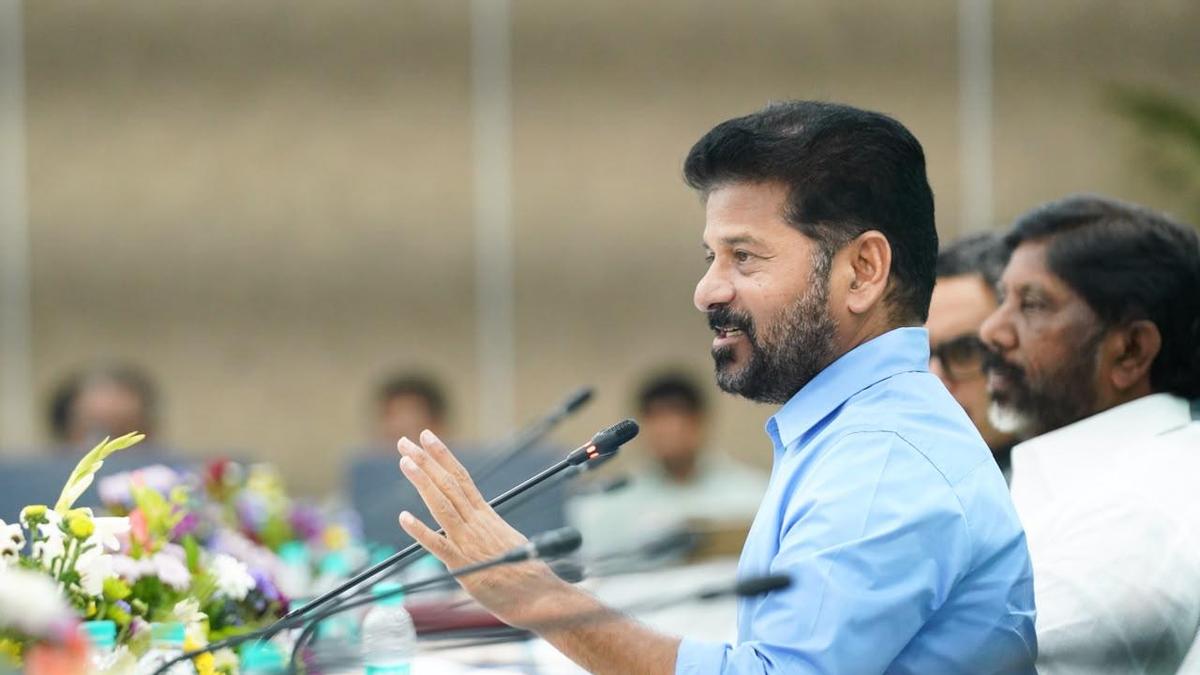
Simultaneous works on the northern and southern sections will speed up the project and reduce costs
Accelerating Infrastructure: Telangana's Strategic Push for the Regional Ring Road
The Telangana government, led by the Chief Minister, has formally sought the Union Cabinet's approval to commence work on the northern section of the Regional Ring Road (RRR). This strategic request marks a pivotal shift in the project's execution strategy, moving away from a phased approach toward a simultaneous construction model. By seeking a mandate to work on both the northern and southern sections concurrently, the state government aims to significantly compress the project's completion timeline and optimize financial resources.
The Logic of Simultaneous Execution
From an engineering and project management perspective, the decision to pursue simultaneous construction is driven by the need to mitigate cost escalations. Large-scale infrastructure projects often suffer from 'inflationary creep,' where the cost of raw materials—such as steel, cement, and bitumen—increases substantially between the completion of one phase and the start of the next. By synchronizing the northern and southern works, the state can leverage bulk procurement and maintain a consistent deployment of machinery and labor, thereby achieving economies of scale that would be impossible under a sequential rollout.
Economic Catalyst and Regional Development
The Regional Ring Road is not merely a transportation project but a catalyst for economic decentralization. Historically, the growth of Hyderabad has put immense pressure on the city's core infrastructure. The RRR is designed to divert long-distance heavy traffic away from the urban center, reducing congestion and pollution. More importantly, the creation of this corridor is expected to trigger the development of satellite towns and industrial clusters along the ring. This will likely shift the real estate and commercial focus toward the outskirts, promoting a more balanced distribution of wealth and urbanization across the state.
Inter-Governmental Synergy and Governance
The requirement for a Union Cabinet nod highlights the critical intersection between state aspirations and federal oversight. Since the RRR likely involves integration with national highways and may require central funding or environmental clearances, the alignment between the Telangana state government and the Union Cabinet is essential. This request indicates a proactive diplomatic effort by the state leadership to ensure that administrative bottlenecks at the federal level do not stall regional growth. Successful approval would signal a strong partnership in infrastructure development, providing a template for other state-center collaborative projects.
Long-term Implications for Logistics and Trade
Looking ahead, the completion of the RRR will fundamentally alter the logistics landscape of Southern India. By providing a high-speed bypass for freight moving toward other states, Telangana can position itself as a premier logistics hub. We can predict a surge in the establishment of warehouses, cold storage facilities, and manufacturing plants along the RRR corridor. This infrastructure will reduce transit times for goods, lowering the overall cost of doing business in the region and making Telangana more attractive to foreign direct investment (FDI) in the manufacturing sector.
Conclusion
In summary, the Chief Minister's push for the northern section of the RRR is a calculated move to ensure efficiency, cost-effectiveness, and rapid modernization. By integrating the northern and southern works, Telangana is attempting to leapfrog traditional infrastructure delays. If granted by the Union Cabinet, this move will not only streamline the project's execution but also lay the groundwork for a new era of economic expansion and urban planning in the region.
Verification Required?