Global shipping industry sounds the alarm over Trump’s Hormuz toll plan
Source Entity
US Top News and Analysis
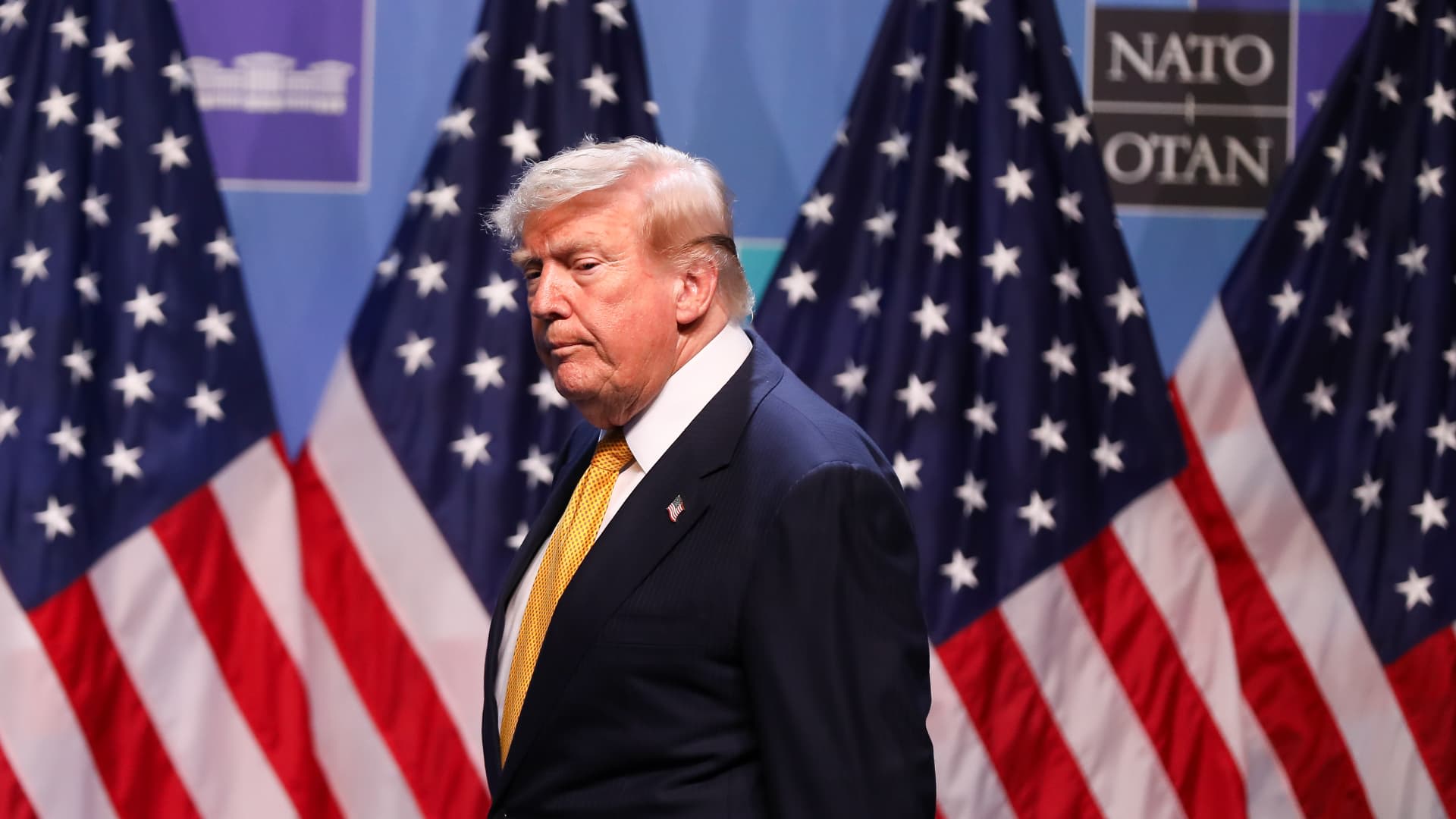
For shipping giant Hapag-Lloyd, it is "fundamentally wrong" to charge tolls for passage through international waters, regardless of the country in charge.
Geopolitical Friction: The Shipping Industry vs. the Hormuz Toll Proposal
The global maritime community is currently facing a significant point of contention following proposals by Donald Trump to implement a toll system for vessels transiting the Strait of Hormuz. This move has sparked immediate backlash from industry titans, most notably Hapag-Lloyd, which has characterized the idea as "fundamentally wrong." The core of the dispute lies in the intersection of national security strategy and the established norms of international maritime law, creating a volatile atmosphere for global trade logistics.
The Legal Conflict Over International Waters
At the heart of Hapag-Lloyd's opposition is the legal status of the Strait of Hormuz. Under international maritime law, specifically the principles often associated with the United Nations Convention on the Law of the Sea (UNCLOS), the right of "transit passage" allows ships to move freely through straits used for international navigation. By proposing a toll, the plan effectively attempts to monetize a global commons. The shipping industry views this not merely as a financial burden, but as a dangerous precedent that challenges the sovereignty of international waters. If one nation can unilaterally impose fees on a critical chokepoint, it opens the door for other regional powers to do the same, potentially fragmenting the global shipping network into a series of paid checkpoints.
Economic Ripple Effects on Global Trade
The economic implications of a Hormuz toll would be profound and immediate. The Strait of Hormuz is one of the world's most critical energy chokepoints, with a massive percentage of the world's liquefied natural gas (LNG) and crude oil passing through it daily. Any additional cost imposed at this juncture would inevitably be passed down the supply chain. Shipping companies like Hapag-Lloyd operate on complex cost structures where fuel and port fees are already volatile; adding a geopolitical toll would likely lead to increased freight rates. For the end consumer, this translates to higher energy prices and increased costs for imported goods, potentially fueling global inflation during an already unstable economic period.
Strategic Implications and Energy Security
From a strategic perspective, the proposal represents a shift toward using maritime access as a tool of economic warfare or diplomatic leverage. While the intent may be to generate revenue or exert pressure on regional adversaries, the collateral damage falls on the private sector. The shipping industry argues that the stability of the Hormuz strait is paramount for global energy security. Introducing a commercial toll regime introduces a new layer of unpredictability. If tolls are used selectively or as a punitive measure, it could lead to a crisis of confidence in the region, causing insurance premiums for hull and machinery (H&M) and war-risk insurance to skyrocket, further increasing the cost of trade.
Industry Solidarity and Corporate Pushback
Hapag-Lloyd's vocal opposition serves as a bellwether for the broader shipping industry. In an era where logistics companies are striving for efficiency and digitalization, the threat of arbitrary geopolitical levies is a significant deterrent to long-term investment. The industry's reaction highlights a growing tension between the "America First" approach to trade and the inherently globalized nature of the maritime economy. Shipping giants are signaling that they cannot support policies that undermine the predictability of international trade routes, as their business models rely on the seamless movement of goods across borders without undue political interference.
Future Outlook: A Precarious Balance
Looking forward, the implementation of such a plan would likely lead to a protracted legal battle in international courts and could strain relations with key trading partners in Asia and Europe. We can predict a trend where shipping conglomerates increase their lobbying efforts to protect the "freedom of navigation" principle. If the proposal moves toward reality, the industry may seek alternative routes or diversify their hubs to reduce reliance on the Strait, although the geography of the Persian Gulf makes this nearly impossible for oil exports. Ultimately, the conflict underscores a fundamental clash between nationalistic political ambitions and the operational realities of a globalized economy, leaving the shipping industry in a state of high alert.